

Archive · 9 Jan 2026
Cold Feet May Signal Health Issues
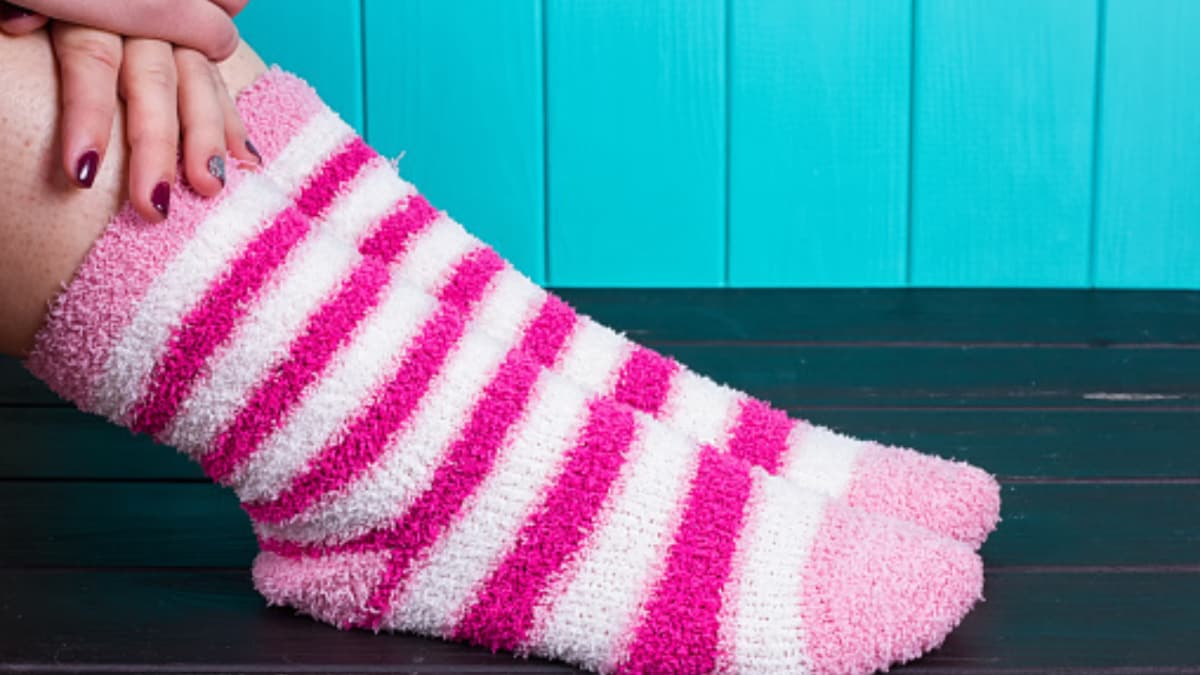
Cold feet are common in winter, but if they happen all year, it might mean something's wrong.
Doctors say it could be because of poor blood flow, nerves not working right, or health problems like anaemia, thyroid issues, or diabetes.
If your feet feel cold along with numbness, pain, or tiredness, you should see a doctor.
Sitting too much, smoking, or not moving enough can make it worse.
Walking, stretching, and keeping warm can help.
Women might feel colder feet more often because of hormones and lower iron.
If your feet stay cold a lot, check with a doctor to make sure you're healthy.

Persistent cold feet may indicate underlying health issues like anaemia, hypothyroidism, or diabetes.
Serious symptoms include numbness, tingling, pain, skin color changes, swollen feet, and fatigue.
Risk factors include sedentary lifestyle, smoking, hormonal differences, and lower muscle mass.
Management tips include regular walking, stretching, keeping warm, and avoiding smoking.
Women are more likely to experience cold feet due to hormonal differences and lower iron intake.
- Who
- People experiencing persistently cold feet, especially in warm conditions
- What
- Persistent cold feet that may indicate underlying health issues
- When
- Year-round, especially if experienced in summer or warm rooms
- Where
- Anywhere, but more pronounced in cold weather
- Why
- Due to poor circulation, nerve problems, anaemia, hypothyroidism, or diabetes
- Common Causes
- Poor circulation, sensitivity to cold, stress, anxiety, anaemia, hypothyroidism, diabetes
- Serious Symptoms
- Numbness, tingling, pain, skin color changes, swollen feet, unhealed wounds, fatigue
- Risk Factors
- Sedentary lifestyle, smoking, hormonal differences, lower muscle mass, lower body temperature
- Management Tips
- Regular walking, stretching, keeping warm, avoiding smoking, massaging feet, warm water soaks
- Gender Differences
- Women more likely due to hormonal differences, lower muscle mass, lower iron intake