

Archive · 10 Nov 2025
Andrew Ross Sorkin Warns of AI Stock Euphoria Echoing 1929 Crash
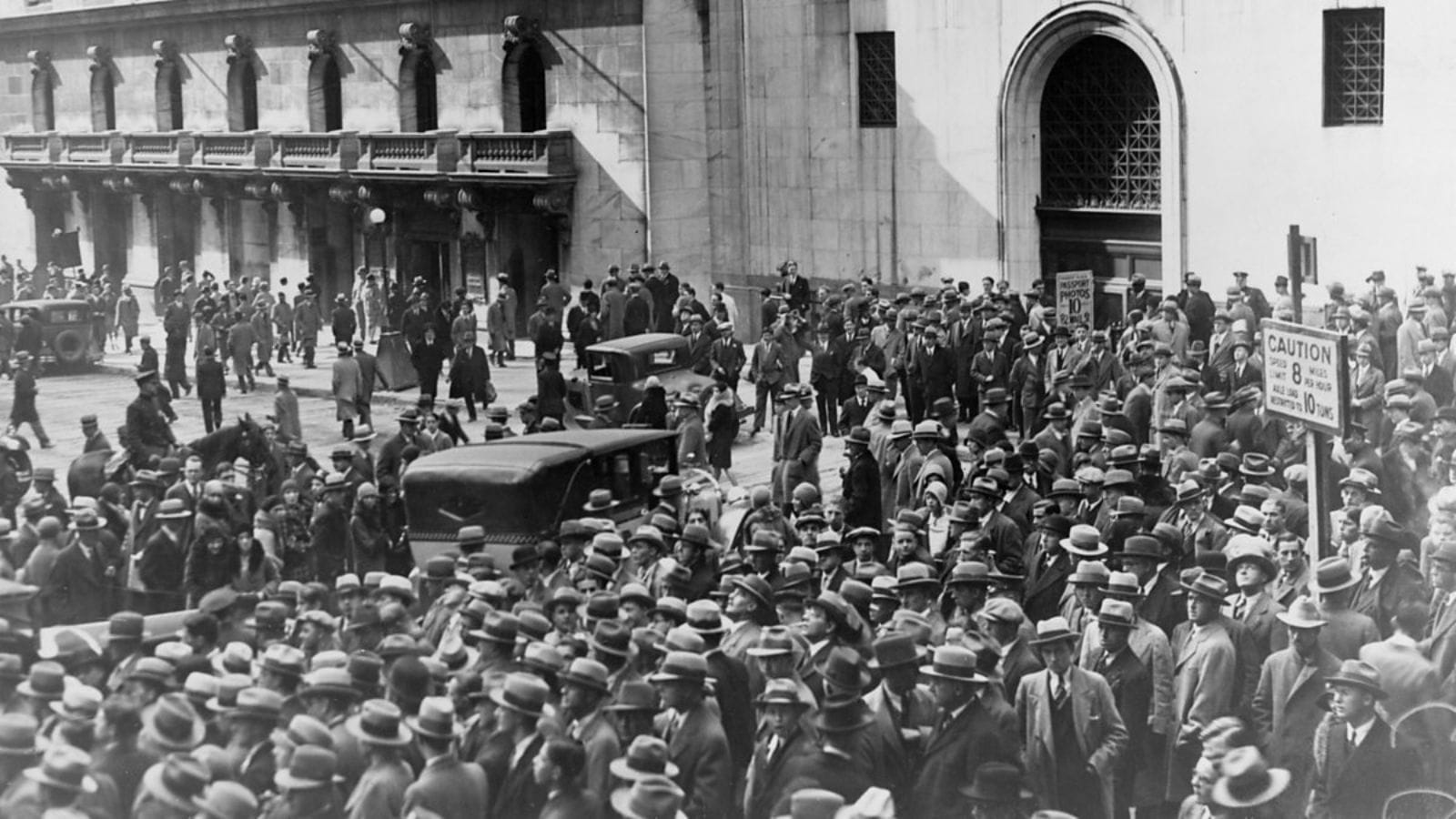
Imagine people are super excited about a new toy, like a special computer chip that helps make smart programs.
This excitement is making the value of companies that make these chips go way, way up, almost like a party that won't stop.
Some grown-ups remember a time long ago, in 1929, when everyone was also super excited about new things like radios, and they borrowed lots of money to buy stocks, but then the market crashed very hard, like a balloon popping.
Now, people are asking if this excitement about computer chips is happening too fast and too much, and if it could cause another big crash.
However, other grown-ups say that today is different because we have more rules to prevent big problems, and the companies making the most exciting tech are actually very rich already.
They also point out that sometimes, even when people warn about a bubble, it can last for a long time.
So, while there's a lot of excitement, there are also questions about whether it's too much and what might happen if it all ends.

Journalist Andrew Ross Sorkin warns that current AI stock market euphoria resembles the conditions before the 1929 Great Crash.
Stock valuations are at historic highs, comparable to the dot-com bubble and 1929, driven by excitement around AI.
A key concern from 1929 was leverage; while current leverage isn't identical, companies are making significant, not-yet-profitable bets on AI chips.
Unlike 1929's budget surplus, the US now has high national debt, potentially limiting government intervention in a future crash.
Potential challenges for the AI boom include an energy crunch for data centers and the rapid depreciation of chip technology.
- Who
- Journalist Andrew Ross Sorkin and host Fareed Zakaria
- What
- Discussion on whether current AI stock market euphoria echoes the conditions leading to the 1929 stock market crash.
- When
- In a recent conversation on Fareed Zakaria GPS.
- Where
- Discussed in the context of American stock markets and history.
- Why
- To assess the risks of a potential market crash due to excessive valuations and euphoria surrounding AI investments.
Concerns over AI Stock Market Bubble
Reasons Bubbles Might Not Burst or Repeat 1929
Valuation and Euphoria
Concerns over AI Stock Market Bubble
Stock valuations are at historic highs, comparable to 1929 and the dot-com bubble, fueled by immense euphoria around AI, similar to excitement around radio in the 1920s.
Reasons Bubbles Might Not Burst or Repeat 1929
While valuations are high, the market has seen similar situations, like the dot-com bubble, and periods of irrational exuberance that lasted for years before a crash. Sorkin hopes for a situation more like 1999 than 1929.
Leverage and Debt
Concerns over AI Stock Market Bubble
Companies are making large, potentially unprofitable, commitments for AI chips, raising questions about their ability to make payments. While not at 1929 levels, some companies are buying on margin.
Reasons Bubbles Might Not Burst or Repeat 1929
Major tech companies investing in AI are highly profitable and not taking on debt. The issues with leverage may lie more with companies building physical infrastructure and real estate, not the big tech firms directly.
Government Response and Debt
Concerns over AI Stock Market Bubble
In contrast to 1929's budget surplus, the US now has enormous debt, which could limit the government's ability to bail out markets during a crash, as bondholders might demand extraordinary interest rates.
Reasons Bubbles Might Not Burst or Repeat 1929
Modern markets have more safeguards than in 1929, such as the SEC, bank capital requirements, and potentially a more active Federal Reserve, suggesting that policy mistakes made in 1929 might be avoided.
AI Infrastructure Challenges
Concerns over AI Stock Market Bubble
An energy crunch could halt the AI boom, as companies struggle to power the massive data centers they are building.
Reasons Bubbles Might Not Burst or Repeat 1929
While energy is a concern, it's framed as a problem for infrastructure builders rather than a direct existential threat to the profitability of the major tech companies investing in AI.
- Valuation Index
- At one of its highest levels in history, comparable to 1999 and 1929.
- 1920s Excitement
- Automobiles, technology, and radio (compared to AI and NVIDIA today).
- 1929 Key Issue
- Leverage and huge borrowing to buy stocks.
- Current Debt Load
- Enormous national debt, unlike the budget surplus in 1929.
- Potential Crash Preventatives
- SEC, bank capital requirements, lessons learned from past crashes.
- AI Infrastructure Concerns
- Energy crunch for data centers, depreciation of chips.