Archive · 7 Nov 2025
Kaziranga National Park Survey Reveals Rich Aquatic Biodiversity

Kaziranga National Park, famous for its rhinos, is also home to a hidden world of aquatic life!
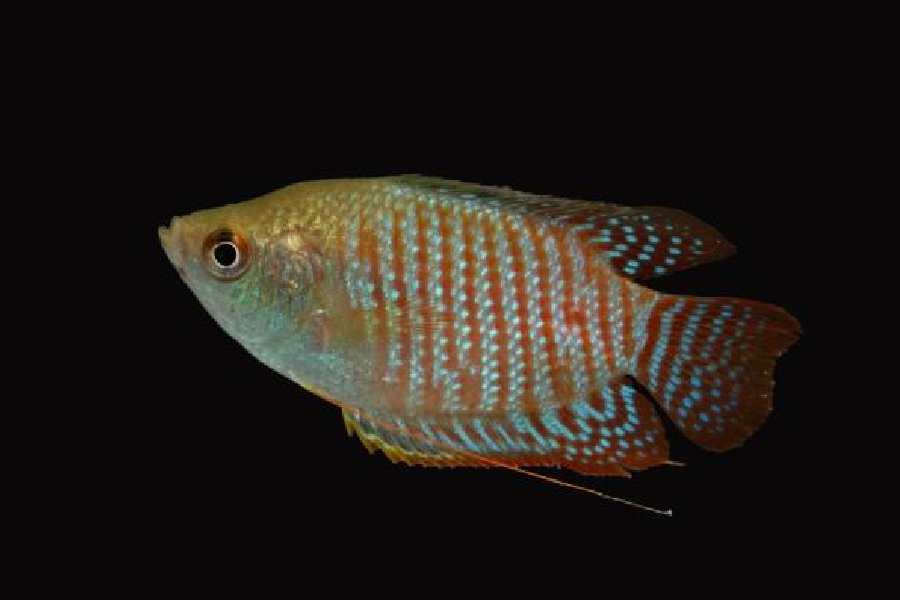
Scientists recently did a special count, like a treasure hunt in the water, and found 77 different kinds of fish.
They also found 108 different kinds of frogs and snakes.
This is a big deal because having so many types of fish, frogs, and reptiles shows that the park's water and swampy areas are very healthy.
These creatures are like tiny clues that tell us the environment is balanced and clean.
The park is not just important for its big animals, but also for all these smaller, amazing creatures living in its waters.

A rapid survey in Kaziranga National Park identified 77 species of freshwater fish.
The park also recorded 108 species of amphibians and reptiles.
The survey was a collaboration between Kaziranga Park authority and scientists from the Wildlife Institute of India.
These findings highlight Kaziranga's role as a vital habitat and indicate a healthy ecosystem.
The report also noted threats such as climate change, siltation, and unregulated fishing, calling for stronger conservation.
- Who
- Kaziranga National Park (KNP) and Wildlife Institute of India (WII)
- What
- A rapid survey identified 77 species of freshwater fish and 108 species of amphibians and reptiles.
- When
- Survey conducted between July and September; findings declared on Thursday.
- Where
- Kaziranga National Park (KNP), Assam, India
- Why
- To understand the biodiversity and ecological health of the park's aquatic systems.
- Freshwater Fish Species
- 77
- Amphibian and Reptile Species
- 108
- Dominant Fish Families
- Cyprinidae and Danionidae
- Survey Period
- July to September
- Collaborating Institutions
- Kaziranga National Park, Wildlife Institute of India
- Location
- Kaziranga National Park, Assam