

Archive · 19 Jul 2026
World Brain Day: Brain's Role in Sex Life
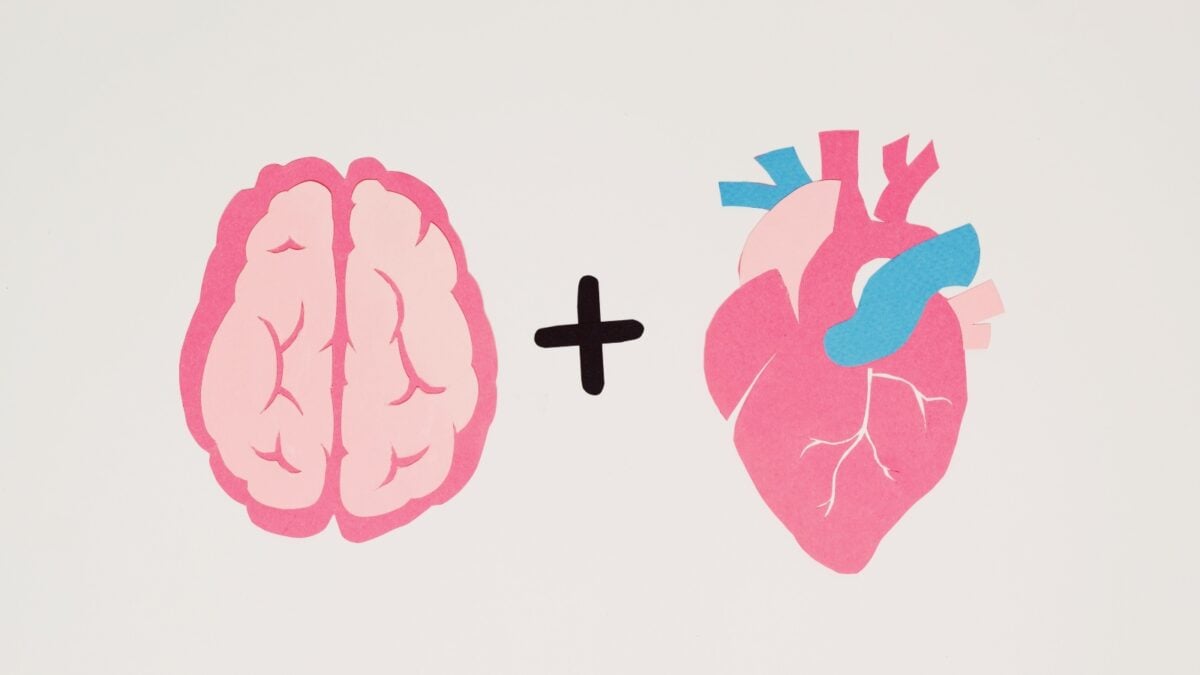
On World Brain Day, Dr. Saransh Jain explains how the brain controls your sex life.
The brain starts sexual desire before any physical touch.
It uses chemicals like dopamine to make you feel excited.
Stress can make it hard to enjoy sex because it makes your body tense.
The brain also helps you have an orgasm and affects how you feel during sex.
Not sleeping well can make you less interested in sex.
If you have a brain or nerve problem, it can change how your body responds during sex.
Taking care of your brain is important for a healthy sex life.

The brain starts sexual desire through processing sensory inputs and emotions, involving regions like the hypothalamus and limbic system.
Dopamine, a brain chemical, drives desire and pleasure, making anticipation of intimacy exciting.
Stress releases cortisol and adrenaline, which can interfere with sexual desire and performance.
The brain can interfere with arousal by causing anxiety and overthinking, making it hard to relax and enjoy sex.
Neurological conditions can affect sexual function by disrupting communication between the brain and body.
- Who
- Dr. Saransh Jain, a psycho-sexologist and recipient of the Swasth Bharat Ratna Award.
- What
- An explanation of how the brain influences sexual desire and function.
- When
- July 19, 2026.
- Where
- India, as mentioned by the Central Government of India.
- Why
- To raise awareness on World Brain Day about the brain's role in sexual health.
Medical Perspective
Psychological Perspective
Impact of Stress on Sexual Desire
Medical Perspective
Stress releases cortisol and adrenaline, which can interfere with sexual desire and performance by affecting hormonal balance and physical responses.
Psychological Perspective
Chronic stress can lead to anxiety and overthinking, which may reduce interest in intimacy and create mental barriers to sexual arousal.
Role of Neurological Conditions
Medical Perspective
Neurological conditions can directly affect sexual function by disrupting the communication between the brain and the body, impacting desire, erections, and orgasm.
Psychological Perspective
The psychological impact of neurological conditions, such as fatigue and emotional stress, can also significantly affect sexual health and intimacy.
- Date
- July 19, 2026
- Author
- Dr. Saransh Jain
- Award
- Swasth Bharat Ratna Award
- Key Brain Regions
- Hypothalamus, Limbic System
- Key Hormones
- Dopamine, Oxytocin, Cortisol, Adrenaline
- Neurological Conditions
- Stroke, Multiple Sclerosis, Parkinson’s Disease, Spinal Cord Injuries