

Archive · 24 Jul 2025
NIT Rourkela Develops Eco-Friendly Biofilm for Industrial Waste
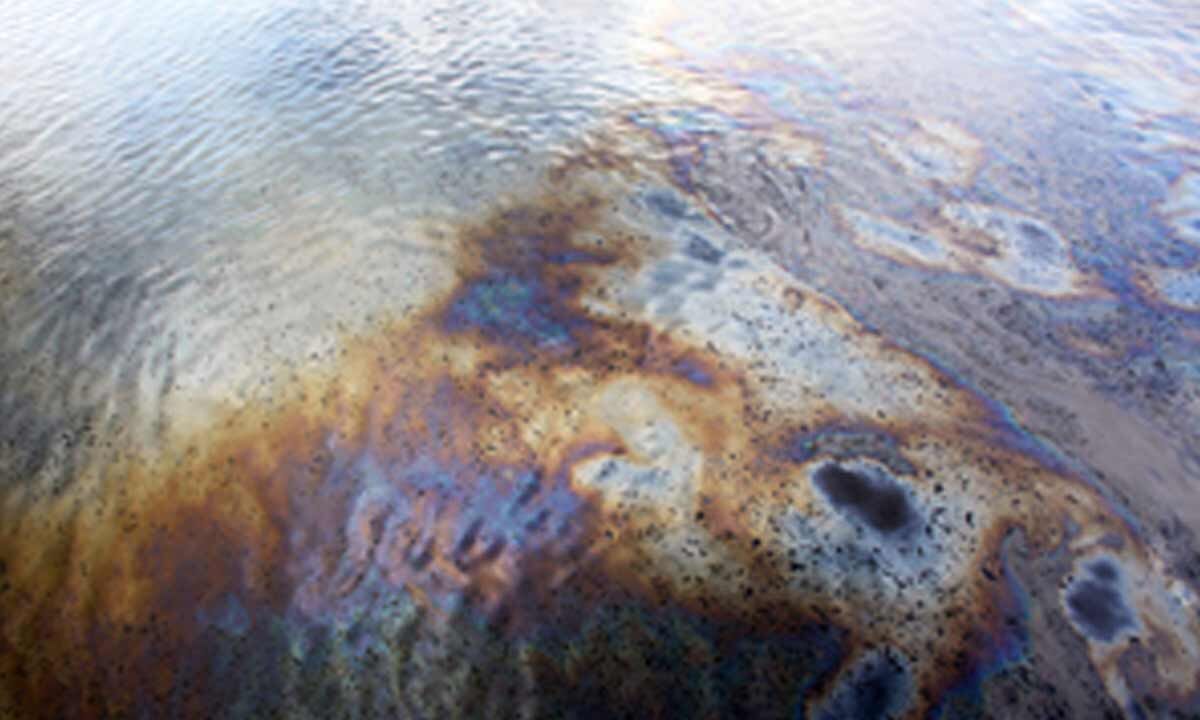
Researchers at NIT Rourkela created a special 'biofilm' using bacteria that can clean up harmful chemicals called PAHs, often found in industrial waste and oil spills.
PAHs pollute soil and water, but the biofilm breaks them down quickly.
The biofilm is like a community of tiny helpers that eat the harmful chemicals, making it an eco-friendly and cheap solution for cleaning up polluted water.
This new technology can be used in existing water treatment systems and could also help the petrochemical industry become more sustainable.

NIT Rourkela developed a bacterial biofilm to degrade toxic PAHs in industrial waste.
The biofilm technology can mitigate industrial oil spills and is environmentally friendly.
The biofilm achieved 95% phenanthrene degradation within five days.
The technology is cost-efficient and suitable for existing wastewater treatment systems.
The biofilm utilizes a protective EPS layer, enhancing biodegradation and microbial protection.
- Who
- Researchers at NIT Rourkela
- What
- NIT Rourkela developed a bacterial biofilm to degrade PAHs and mitigate oil spills.
- When
- The development was recently announced.
- Where
- NIT Rourkela
- Why
- To provide an environmentally friendly and cost-efficient solution for wastewater treatment and mitigate the impact of industrial oil spills.
Traditional Methods
Biofilm Technology
Treatment Methods
Traditional Methods
Utilizing chemical oxidation or soil excavation.
Biofilm Technology
Using NIT Rourkela's bacterial biofilm technology
- Institution
- NIT Rourkela
- Technology
- Bacterial Biofilm
- Target Pollutant
- Phenanthrene (PAH)
- Degradation Rate
- 95% in 5 days
- Benefits
- Environmentally friendly, cost-efficient