

Archive · 31 Oct 2025
UK's Stolen Cars and Phones Fueling Lucrative Illegal Trade
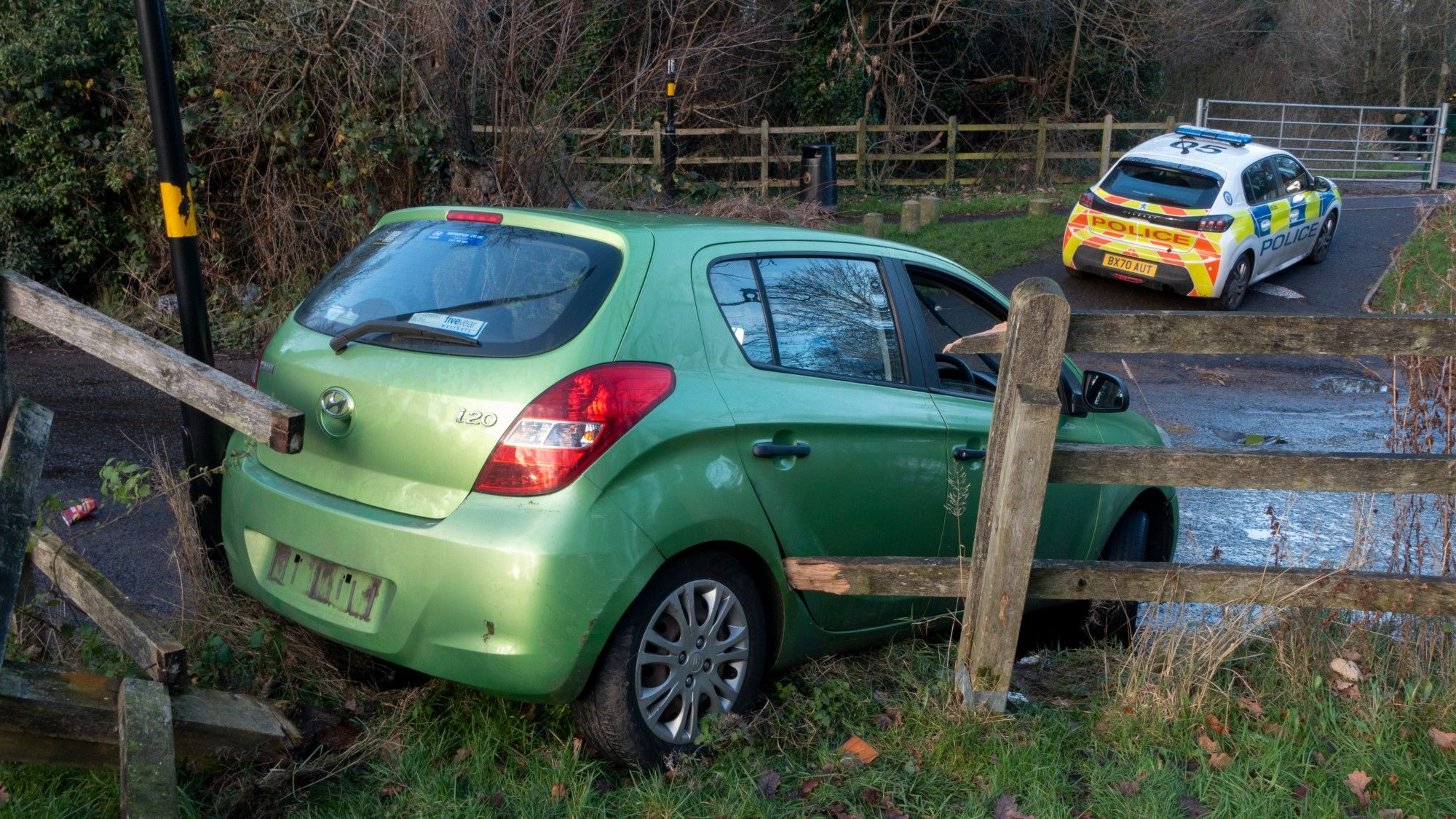
Imagine some people are stealing lots of cars and phones in the UK.
They have a big, secret business that's worth a lot of money.
First, when they steal a car, they hide it for a few days to make sure it doesn't have a tracker.
Then, they might put fake license plates on it.
Some cars are sold to bad guys, or taken to special workshops called 'chop shops' where they are taken apart for their useful pieces, which are then sold to people fixing their own cars.
Other cars are sent far away to other countries.
It's similar with phones.
Some gangs are caught trying to send thousands of stolen phones to countries like China, where people will pay a lot for them, partly because they can use them to get on the internet without being watched.
Police are trying to catch these criminals and have seen a drop in some types of crime in London, but it's a big, complicated problem that needs help from many countries.

Car theft in England and Wales has surged by 74% in the last decade, contributing to an illegal trade valued at £1.8 billion annually.
Stolen cars are often 'soaked' to evade trackers, fitted with cloned plates, sold to criminals, stripped for parts in 'chop shops', or shipped internationally to destinations worldwide.
Mobile phone theft has dramatically increased in London, with one gang suspected of smuggling up to 40,000 phones to China in a year.
Stolen phones can fetch high prices in China, reportedly up to £4,000 each, due to their internet capabilities and use in bypassing censorship.
While police efforts have led to a decrease in personal robbery and theft in London, broader international cooperation is deemed necessary to combat the trade in stolen goods.
- Who
- Car thieves and international criminal gangs, assisted by mechanics and buyers of stolen goods.
- What
- A significant increase in stolen cars and phones, which are then processed through a lucrative illegal trade, involving 'chop shops', international shipping, and resale on the black market.
- When
- Car theft has increased over the past 10 years; phone theft in London has nearly tripled in the last four years, with a specific gang busted for smuggling phones in the past 12 months.
- Where
- Stolen cars are found globally, including Russia, the Democratic Republic of Congo, Eastern Europe, Dubai, Thailand, and Cyprus. Stolen phones are primarily smuggled from the UK to China.
- Why
- To maximize profits by selling cars whole, as parts, or by exploiting the demand for phones in markets like China where they can bypass censorship.
Law Enforcement Challenges
Private Sector Assistance
Investigative Methods
Law Enforcement Challenges
Traditional police methods involving intelligence from informants are described as 'long gone'.
Private Sector Assistance
Police are increasingly turning to private companies staffed by former officers to help investigate and alleviate pressure.
Scope of the Problem
Law Enforcement Challenges
The issue involves an 'intricate £1.8 billion-a-year web of crime' requiring significant police resources.
Private Sector Assistance
Private firms like W4G offer specialized expertise, stating, 'We're almost trying to alleviate the pressure on the police.'
- Car Theft Increase (England & Wales)
- 74% over the past 10 years
- Annual Value of Illegal Car Trade
- £1.8 billion
- Stolen Phones Seized in London
- Up to 40,000 smuggled to China in 12 months
- Payment per Handset to Street Thieves
- Up to £300
- Resale Value of Stolen Phones in China
- Up to £4,000 each
- London Personal Robbery Decrease
- 13% this year
- London Theft Decrease
- 14% this year