

Archive · 12 Nov 2025
Experts Advise on Identifying and Avoiding Fake Cumin Amidst Adulteration Concerns
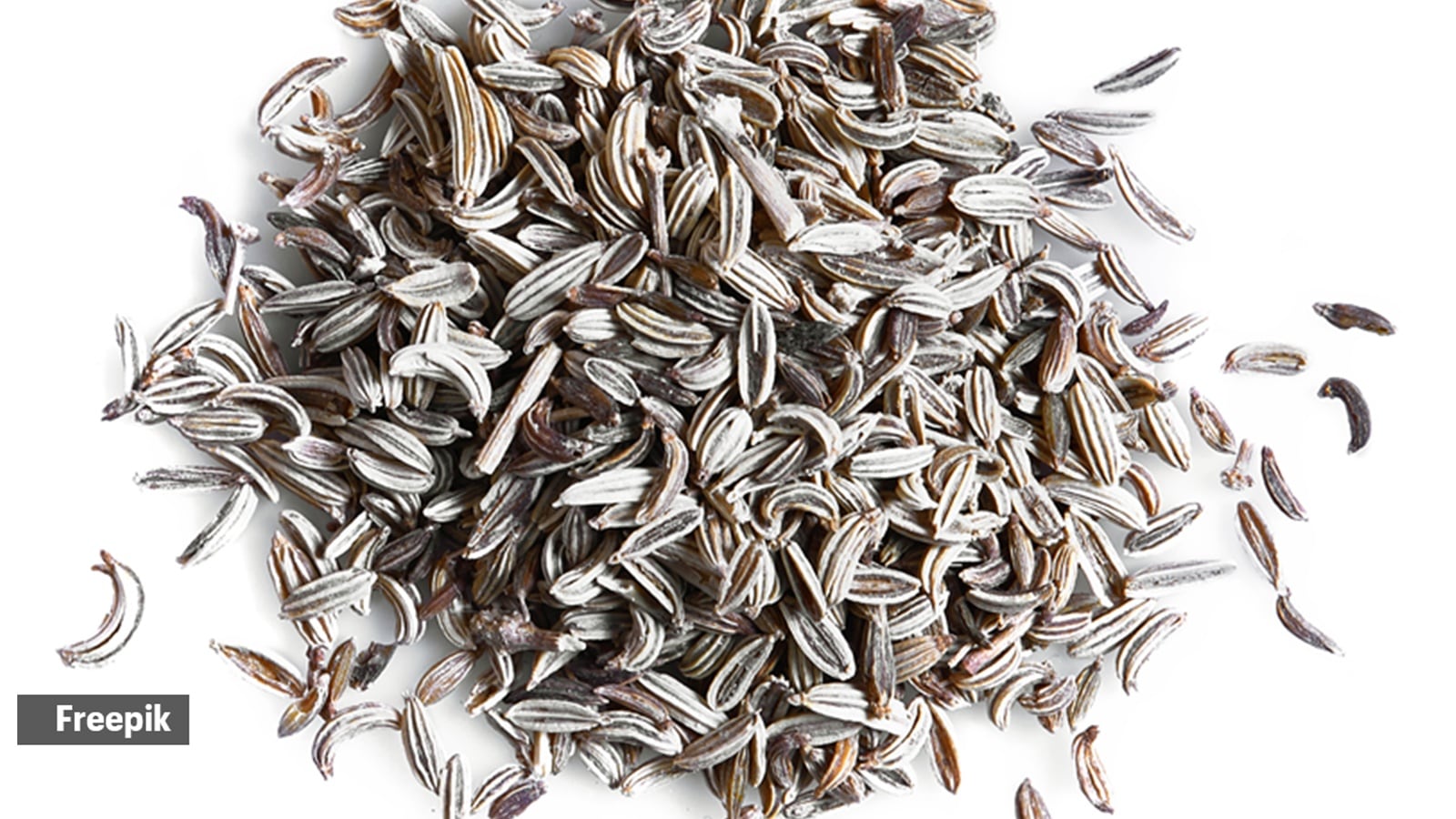
Sometimes, the spices we use to make food taste good can be faked!
After some chickpeas were found to be mixed with wrong things, people are now worried about cumin, a popular spice in Indian cooking.
Fake cumin might look like real cumin, but it could be mixed with things like grass seeds or colored bits.
This can make the spice not taste as good and also not safe to eat.
Experts are warning people to be careful when buying cumin because it's used so much and is so popular, which sadly makes it a target for fake versions.

Reports indicate that cumin (jeera) seeds are being adulterated, following similar concerns with chana.
Cumin is a widely used spice in Indian cuisine, valued for its flavor and health benefits.
Adulteration of cumin can involve mixing it with grass seeds, charcoal-coated grains, or colored substitutes.
These fake cumin seeds mimic the appearance of real cumin but reduce safety and taste.
Experts are advising consumers to be cautious due to the high demand and widespread use of cumin, which makes it susceptible to adulteration.
- Who
- Dietitian Garima Goyal
- What
- Reports of cumin (jeera) seeds being adulterated after chana
- When
- Recently
- Where
- India
- Why
- High demand and widespread use make cumin prone to adulteration
- Potential Adulterants
- Grass seeds, charcoal-coated grains, colored substitutes
- Health Implications
- Compromised safety and taste
- Spice's Value
- Flavor, digestive and antioxidant properties