

Archive · 31 Dec 2025
Sree Kanteerava Stadium's Historical Lake Connection
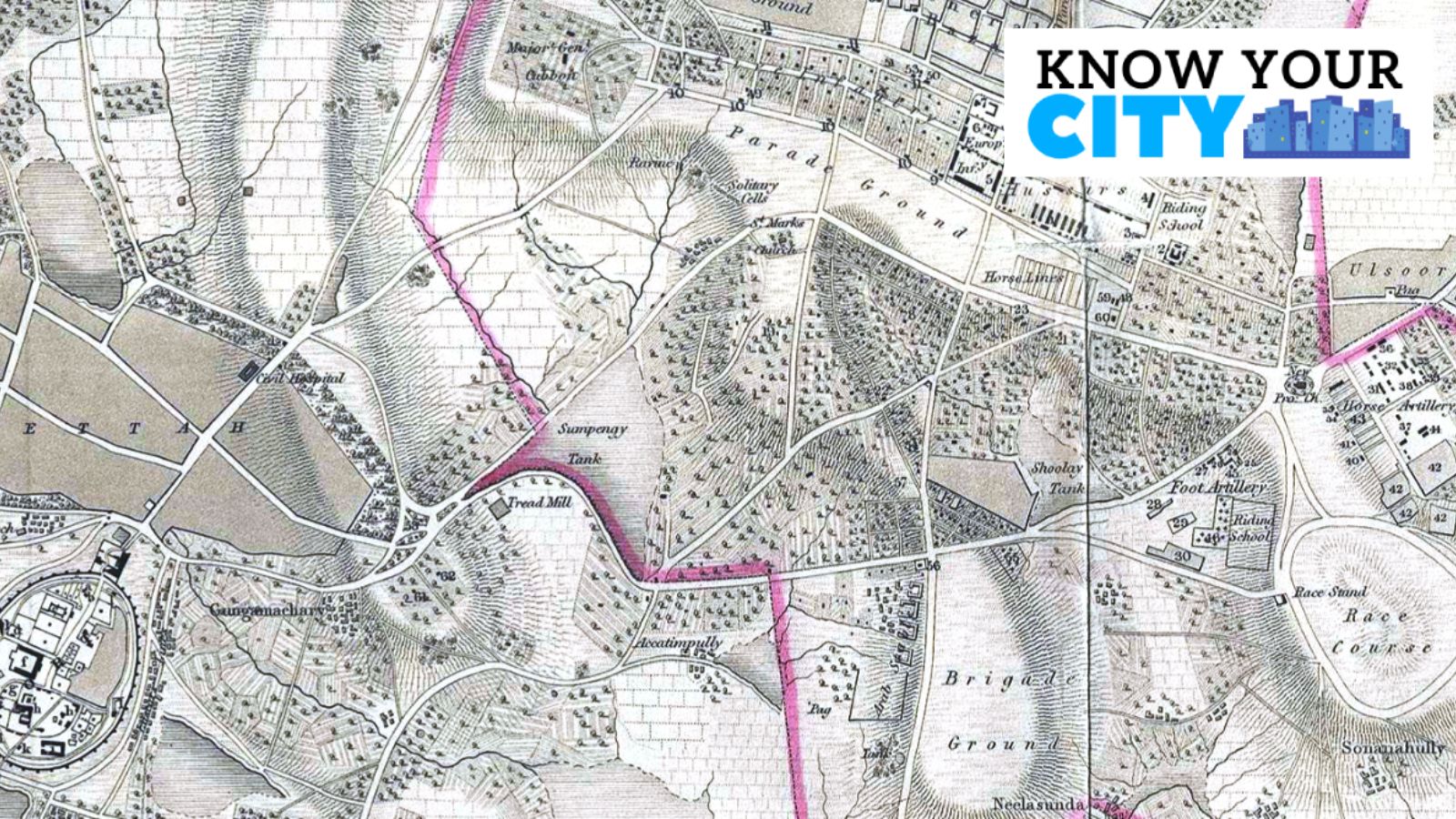
A long time ago, there was a big lake called Sampangi Kere in Bengaluru, where the Sree Kanteerava Stadium is now.
The lake was seasonal and filled with rainwater.
People used to rely on it and other lakes for water.
But when the British came, they built systems to bring water from far away, and people didn't need the lakes as much.
Over time, the lakes got dirty with sewage, and the water stayed there all year round.
Now, only a small part of the lake remains, and the rest is the stadium that people use for sports.

The Sree Kanteerava Stadium in Bengaluru was once the site of a lake called Sampangi Kere.
The lake was seasonal and rain-fed, as were most lakes in Bengaluru.
With the advent of colonialism, people became less dependent on the lake for water.
The lake became open to sewage and turned into a perennial waterbody.
Only a small tank of the original lake remains today.
- Who
- Hita Unnikrishnan, an assistant professor at the University of Warwick and a visiting faculty member at Bengaluru’s Azim Premji University
- What
- The transformation of a lake into the Sree Kanteerava Stadium in Bengaluru
- When
- The lake existed in the 19th century, and the stadium was established in 1946
- Where
- Bengaluru, India
- Why
- The lake was seasonal and rain-fed, but with the advent of colonialism and long-distance water supply, people were no longer as dependent on waterbodies, and the lakes became open to sewage
- Location
- Bengaluru, India
- Original Waterbody
- Sampangi Kere
- Map Reference
- 1854 map by Pharaoh & Co
- Current Stadium
- Sree Kanteerava Stadium
- Expert
- Hita Unnikrishnan