Archive · 25 Sep 2026
Gyanesh Kumar Faces ECI Rift Over Voter Roll Decisions
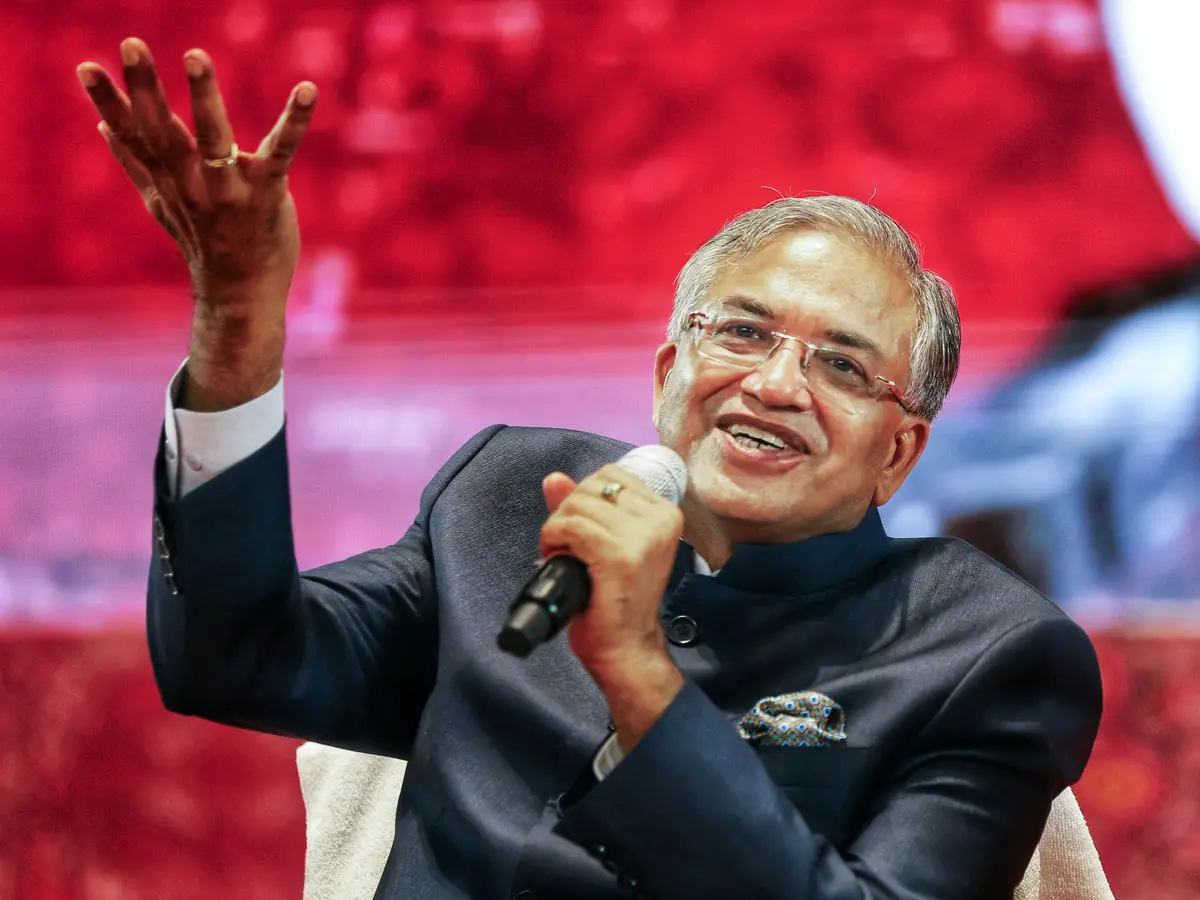
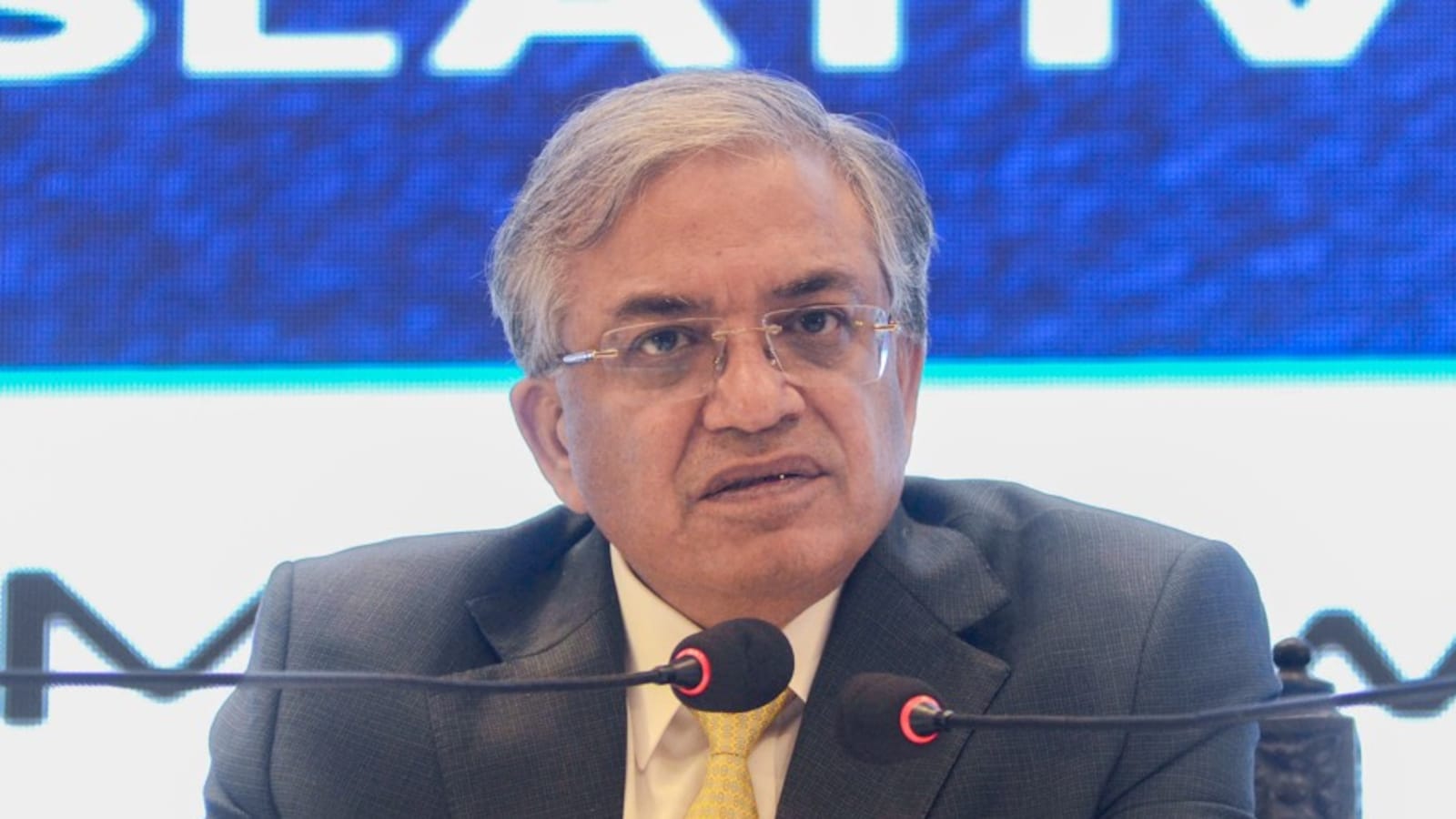
Gyanesh Kumar leads India’s Election Commission, which manages elections and voter lists.
Two other commissioners reportedly disagreed with some decisions made during a review of voter lists.
They are said to have objected at least 14 times in 10 months.
Their concerns included changing a voter-registration form and putting the voter database under centralized control.
The Election Commission says disagreements can happen during discussions.
It also says the final decisions were unanimous.
Opposition parties say the voter-list review could remove eligible voters and help the ruling party.
The Election Commission denies those accusations.
Kumar’s appointment and earlier government work have also drawn political criticism.

Election commissioners Sukhbir Singh Sandhu and Vivek Joshi reportedly objected at least 14 times over 10 months to decisions they said were issued without their knowledge.
The objections reportedly involved centralized electoral-roll database control, new digital modules and portals, and changes to voter-registration Form 6.
The Election Commission said differing views are normal and that its final decisions, including those concerning the Special Intensive Revision, were unanimous.
Opposition parties accused the Election Commission of excluding eligible voters and favoring the Bharatiya Janata Party, allegations the panel rejected.
Gyanesh Kumar became India’s 26th chief election commissioner on February 19, 2025, after a career involving Article 370-related work and the establishment of the Ram temple trust.
- Who
- Chief Election Commissioner Gyanesh Kumar and Election Commissioners Sukhbir Singh Sandhu and Vivek Joshi are at the center of the reported dispute.
- What
- The dispute concerns reported objections to decisions made during the Special Intensive Revision of voter lists and other electoral database measures.
- When
- The objections were reportedly made at least 14 times over the 10 months before the reports; Kumar became CEC on February 19, 2025.
- Where
- The dispute concerns the Election Commission of India and its national electoral-roll system.
- Why
- The reported objections concerned decisions allegedly issued without the other commissioners’ prior knowledge, including changes to Form 6 and centralized database control.
Critics and Opposition Parties
Election Commission
Internal decision-making
Critics and Opposition Parties
The two other commissioners reportedly said at least 14 decisions or orders were issued without their knowledge or prior approval.
Election Commission
The Election Commission said differing views are a normal part of deliberations and that final decisions were unanimous.
Voter-list revision
Critics and Opposition Parties
Opposition parties accused the Election Commission of disenfranchising eligible voters during the Special Intensive Revision and favoring the Bharatiya Janata Party.
Election Commission
The Election Commission rejected the allegations.
CEC authority
Critics and Opposition Parties
The reported objections and public criticism have raised concerns about the Election Commission’s credibility and internal functioning.
Election Commission
The WION report says all three commissioners have equal power and decision-making authority, with the CEC serving as chairperson rather than having overruling powers.
Appointment process
Critics and Opposition Parties
Opposition figures criticized Kumar’s appointment under the 2023 law and sought to delay the selection while challenges to the law were considered.
Election Commission
Kumar was appointed through the selection process established by the 2023 law; a Supreme Court bench later issued split opinions on whether challenges to that law should go to a larger bench.
- CEC
- Gyanesh Kumar, India’s 26th chief election commissioner
- Reported objections
- At least 14 objections by Sukhbir Singh Sandhu and Vivek Joshi over 10 months
- Main issue
- Special Intensive Revision of voter lists
- Disputed measures
- Changes to Form 6, new digital modules and portals, and centralized electoral-roll database control
- Election Commission position
- Differing views are normal, and final decisions on the revision were unanimous
- Kumar’s term
- Due to end on January 26, 2029
- Appointment process
- Kumar was the first CEC selected under the 2023 law that replaced the Chief Justice of India on the selection panel with a Union Cabinet minister