

Archive · 10 Aug 2025
Tamil Nadu Tanneries Face Scrutiny for Damaging River and Land
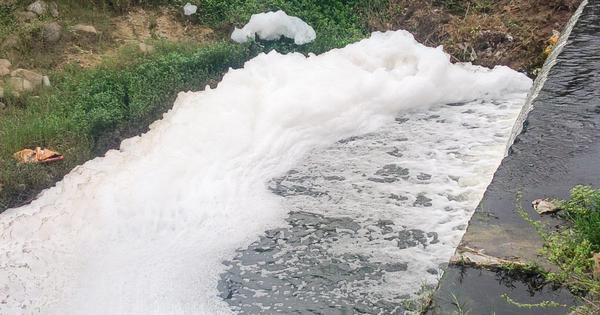
Imagine a river that gives water to many towns and farms.
Factories called tanneries make leather and dump dirty water into the river.
This makes the water poisonous for people and plants, damaging farmland and causing health problems.
The government is now making the factories pay for the damage, but it's a slow process to fix the problems caused by the pollution.
The Supreme Court is involved as well to improve the situation.

Tanneries in Tamil Nadu are polluting the Palar River, impacting local communities and farmlands.
India's Supreme Court ruled tanneries in Vellore district caused 'irreversible damage' and must pay compensation.
Tanneries discharge millions of liters of effluent daily, often untreated, contributing to global pollution.
Local farmers report crop damage and health issues due to polluted water used for irrigation.
Environmental activists criticize the Tamil Nadu Pollution Control Board for inadequate enforcement.
- Who
- Tanneries, local communities, farmers, and the Tamil Nadu Pollution Control Board.
- What
- Tanneries polluting the Palar River, impacting water, land, and health.
- When
- Ongoing, with a recent Supreme Court ruling in January.
- Where
- Tamil Nadu, India, specifically the Palar River basin.
- Why
- Tanneries discharge untreated effluents, harming the environment and people.
Environmental and Community Concerns
Tannery Industry Perspective
Economic Benefits vs. Environmental Costs
Environmental and Community Concerns
Tanneries are causing extensive pollution, damaging local water resources and farmland.
Tannery Industry Perspective
Tanneries provide significant employment and contribute to the economy, with some efforts to treat waste.
Regulatory Enforcement
Environmental and Community Concerns
The Tamil Nadu Pollution Control Board has not adequately enforced environmental regulations.
Tannery Industry Perspective
The TNPCB is working within constraints to monitor and regulate the tanneries' environmental impact.
- Leather Exports
- $172 million annually
- Tannery Employment
- 50,000 people
- Daily Effluent Discharge
- 20 million liters
- Salt Discharge
- 100,000 tonnes annually
- Affected Land
- Over 15,000 hectares
- Land with productivity loss
- 11,000 hectares