

1 year ago
Tamil Nadu Tanneries Face Scrutiny for Damaging River and Land
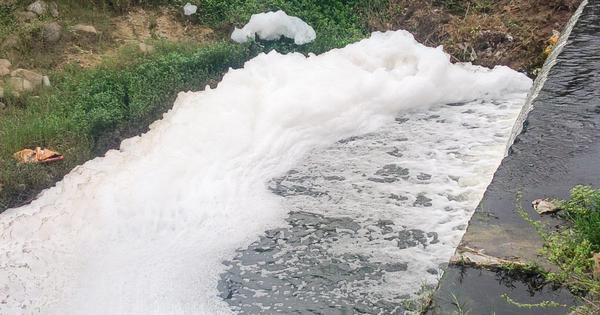
Imagine a river that gives water to many towns and farms.
Factories called tanneries make leather and dump dirty water into the river.
This makes the water poisonous for people and plants, damaging farmland and causing health problems.
The government is now making the factories pay for the damage, but it's a slow process to fix the problems caused by the pollution.
The Supreme Court is involved as well to improve the situation.

Tanneries in Tamil Nadu are polluting the Palar River, impacting local communities and farmlands.
India's Supreme Court ruled tanneries in Vellore district caused 'irreversible damage' and must pay compensation.
Tanneries discharge millions of liters of effluent daily, often untreated, contributing to global pollution.
Local farmers report crop damage and health issues due to polluted water used for irrigation.
Environmental activists criticize the Tamil Nadu Pollution Control Board for inadequate enforcement.
- Who
- Tanneries, local communities, farmers, and the Tamil Nadu Pollution Control Board.
- What
- Tanneries polluting the Palar River, impacting water, land, and health.
- Where
- Tamil Nadu, India, specifically the Palar River basin.
- When
- Ongoing, with a recent Supreme Court ruling in January.
- Why
- Tanneries discharge untreated effluents, harming the environment and people.
Environmental and Community Concerns
Tannery Industry Perspective
Economic Benefits vs. Environmental Costs
Environmental and Community Concerns
Tanneries are causing extensive pollution, damaging local water resources and farmland.
Tannery Industry Perspective
Tanneries provide significant employment and contribute to the economy, with some efforts to treat waste.
Regulatory Enforcement
Environmental and Community Concerns
The Tamil Nadu Pollution Control Board has not adequately enforced environmental regulations.
Tannery Industry Perspective
The TNPCB is working within constraints to monitor and regulate the tanneries' environmental impact.
Key facts
- Leather Exports
- $172 million annually
- Tannery Employment
- 50,000 people
- Daily Effluent Discharge
- 20 million liters
- Salt Discharge
- 100,000 tonnes annually
- Affected Land
- Over 15,000 hectares
- Land with productivity loss
- 11,000 hectares
Quotes
Elango Lakshmanan
a retired professor of hydrogeology at Anna University in Chennai
“Farmers use this polluted groundwater for irrigation, leading to chemicals entering the food chain.”
 scroll.in
“Contaminated water percolates into groundwater and then flows into the river.”
scroll.in
Raghu Kanan
a farmer in Vaniyambadi village
“Poor germination, stunted growth, low grain yield and reduced quality have become common issues.”
scroll.in
“Earlier, my production was high in quality and quantity, but that’s no longer the case.”
scroll.in
Mani Visagam
a former trade-union leader and head of the local Palar River Protection Forum
“Tanneries discharge untreated toxic water directly into the Palar River, especially during the monsoon, because there are no checks and no one will find out.”
scroll.in
“The water that once sustained us has turned into poison.”
scroll.in
Gopinath
a farmer from Vaniyambadi
“Vast agricultural land is lying without any crops and the pollution is deep into the soil.”
scroll.in
“Even if we dig 10 feet deep, the water is unfit for irrigation.”
scroll.in
Chaithanya
a PhD researcher at the Vellore Institute of Technology
“We heard this from residents living on both sides of the river.”
scroll.in
“I have identified significant chromium levels in soil, water, vegetation and even animals.”
scroll.in
A. Kabilan
a senior medical practitioner in Ranipet
“The contamination caused by untreated industrial waste, chemicals and heavy metals has led to widespread health problems, affecting children and the elderly.”
scroll.in
“Even people who are not working in tanneries bear the consequences.”
scroll.in
Raja
a resident in Santhipuram, a village on the banks of the Palar River
“Even if compensation is paid, do those who have lost their health ever get it back?”
scroll.in
“The wastewater mostly goes into the water and village soil.”
scroll.in

The Supreme Court
in its judgement
“The tanneries, by discharging untreated or partially treated effluents into the River Palar and surrounding areas, have resulted in irreversible damage to the water bodies, groundwater and agricultural lands.”
scroll.in
“This environmental degradation has impoverished local farmers and caused human suffering to the residents and the tannery workers, endangering public health and life.”
scroll.in
Manuja
a 19-year-old resident of Puliyankannu village
“I am resigned to my fate and living with this pollution.”
scroll.in
“I am resigned to my fate and living with this pollution.”
scroll.in
N Gajapathy
a petitioner from the Vellore Citizens Forum
“We demanded adequate compensation for those who lost their lives, crops, vegetation, trees, agricultural land, wells, and suffered severe hardships due to the irresponsible and negligent act[ions] of polluting tanneries.”
scroll.in