8 months ago
NASA Study Reveals Earth's Water Origins
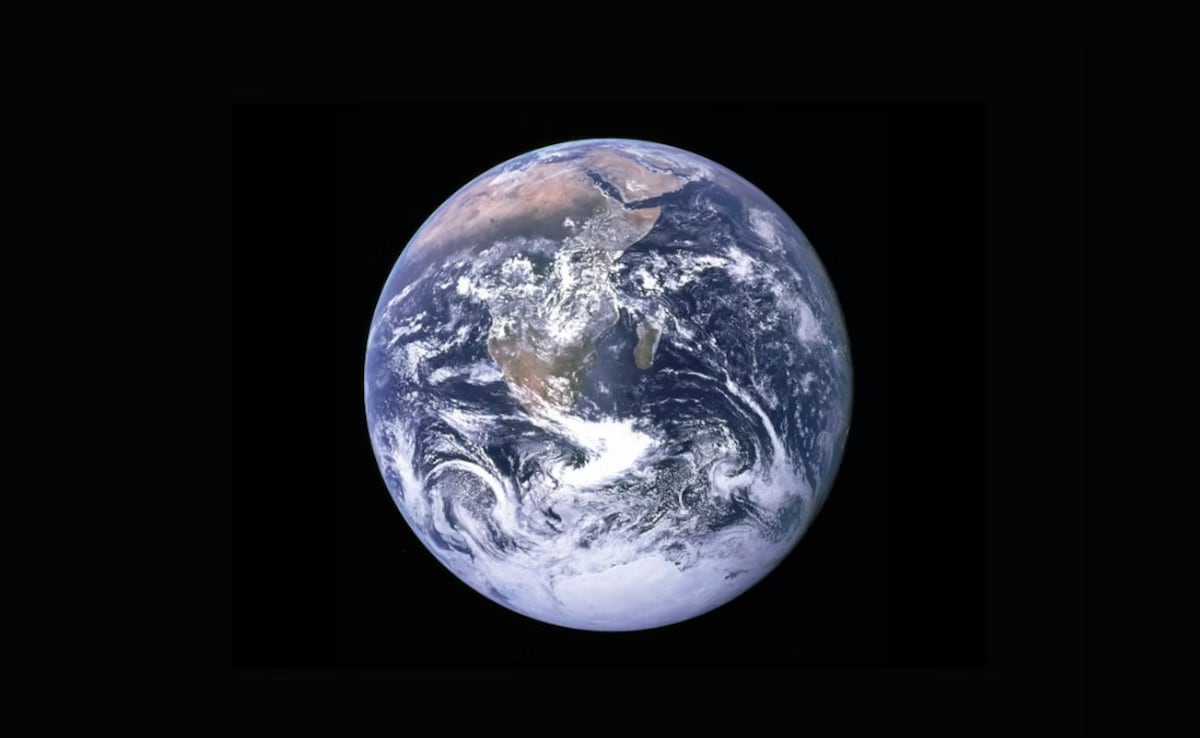
Scientists from NASA studied moon dust to learn where Earth's water came from.
They found that most of Earth's water likely came from the planet's original building blocks.
Meteorites that hit the Moon and Earth carried some water, but not much.
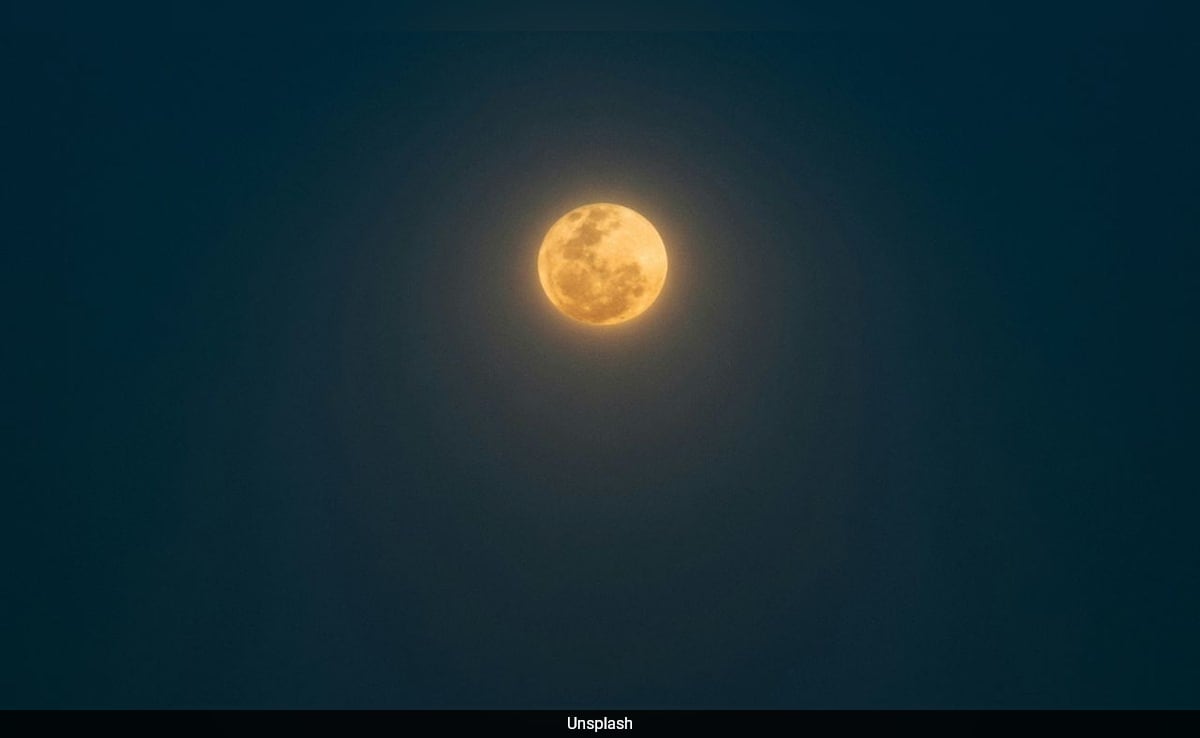
The Moon's dust keeps a record of these impacts, which helps scientists understand what happened billions of years ago.
This research is important for future missions to the Moon, especially to study icy areas near the poles.
The samples used in this study were collected by the Apollo missions over 50 years ago, and future missions will bring back more samples to learn even more.

NASA study suggests Earth's water mostly came from its original building blocks.
Lunar soil samples from Apollo missions reveal meteorite impacts delivered some water.
Meteorites supplied only a small portion of Earth's water, according to the study.
Researchers used triple oxygen isotopes to identify meteorite material in lunar regolith.
Future NASA Artemis missions aim to bring back more lunar samples for deeper understanding.
- Who
- NASA researchers led by Tony Gargano
- What
- A study on the origins of Earth's water using lunar soil samples
- Where
- Research was conducted at NASA's Johnson Space Center and the Lunar and Planetary Institute in Houston
- When
- The study was published on Tuesday
- Why
- To understand the history of meteorite impacts and their role in delivering water to Earth
Key facts
- Study Lead
- Tony Gargano
- Publication
- Proceedings of the National Academy of Sciences
- Lunar Soil Source
- Apollo missions
- Key Method
- Triple oxygen isotopes
- Meteorite Water Contribution
- Small portion
- Future Missions
- NASA Artemis missions
Quotes
Tony Gargano
Postdoctoral fellow at NASA's Johnson Space Center and the Lunar and Planetary Institute in Houston
“The lunar regolith is one of the rare places we can still interpret a time-integrated record of what was hitting Earth's neighbourhood for billions of years.”
 NDTV
NDTV