

Archive · 23 Jul 2026
Atherosclerosis: Causes, Risks, and Prevention Explained by Expert
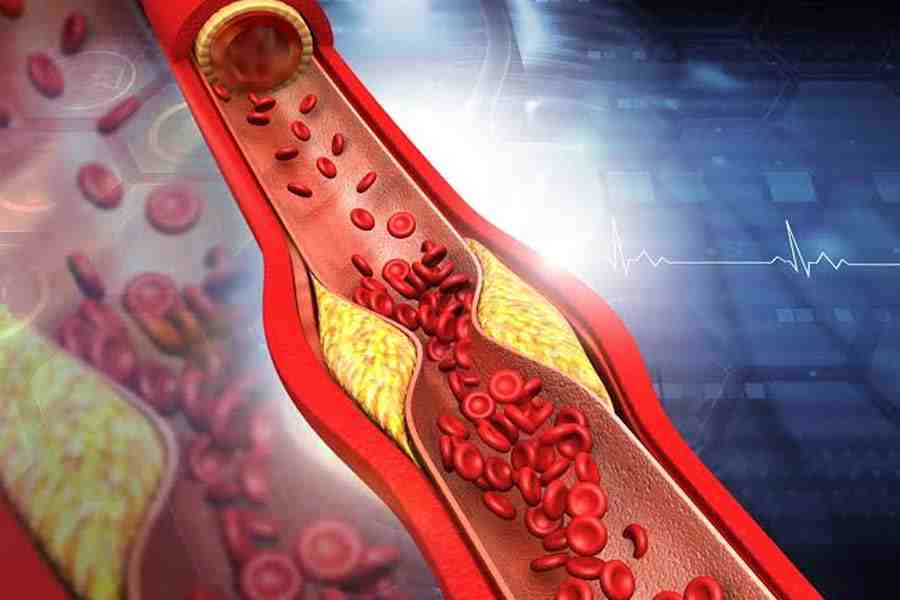
Atherosclerosis is a condition where plaque builds up in the arteries, making it hard for blood to flow.
This can cause problems like heart attacks, strokes, or pain in the legs.
Some things that make it more likely to happen, like getting older or having a family history, can't be changed.
But other things, like eating healthy, exercising, and not smoking, can help prevent it.
It's important to check your blood pressure, cholesterol, and sugar levels regularly to catch any problems early.

Atherosclerosis is a systemic vascular disease where plaque accumulates on the inner walls of the arteries.
It can cause chronic pain and gradual loss of function or acute conditions like heart attacks, strokes, or acute limb ischaemia.
Non-modifiable risk factors include age, gender, ethnicity, and family history.
Modifiable risk factors include high blood pressure, diabetes, lipid levels, tobacco use, dietary habits, lifestyle, fat distribution, and mental health.
Prevention involves timely diagnosis, regular monitoring, a balanced diet, regular exercise, and managing stress.
- Who
- Dr. Sujoy Chatterjee, Head of the Department of Cardiothoracic and Vascular Surgery at Manipal Hospitals, Broadway.
- What
- Atherosclerosis is a systemic vascular disease where plaque accumulates on the inner walls of the arteries.
- When
- The article was published recently, but the exact date is not specified.
- Where
- The interview was conducted by anandabazar.com, and the expert is based at Manipal Hospitals, Broadway.
- Why
- To explain the causes, risks, and prevention of atherosclerosis.
Preventive Measures
Risk Factors
Lifestyle Changes
Preventive Measures
Regular exercise, balanced diet, and maintaining a healthy weight are crucial in preventing atherosclerosis.
Risk Factors
Chronic stress, tobacco use, and excessive consumption of fried or refined carbohydrate-rich foods increase the risk of atherosclerosis.
Medical Monitoring
Preventive Measures
Regular monitoring of blood pressure, diabetes, and lipid levels can help in early detection and prevention.
Risk Factors
High blood pressure, diabetes, and high cholesterol levels are major risk factors for atherosclerosis.
- Definition
- Atherosclerosis is a systemic vascular disease where plaque accumulates on the inner walls of the arteries, narrowing the pathway for blood flow.
- Symptoms
- Chronic: pain and gradual loss of function; Acute: sudden stop in blood flow leading to heart attack, stroke, or acute limb ischaemia.
- Non-Modifiable Risk Factors
- Age, gender, ethnicity, and family history.
- Modifiable Risk Factors
- High blood pressure, diabetes, lipid levels, tobacco use, dietary habits, lifestyle, fat distribution, and mental health.
- Prevention
- Timely diagnosis, regular monitoring, balanced diet, regular exercise, and managing stress.