

1 hr ago
CAQM Deploys Flying Squads to Monitor Stubble Burning
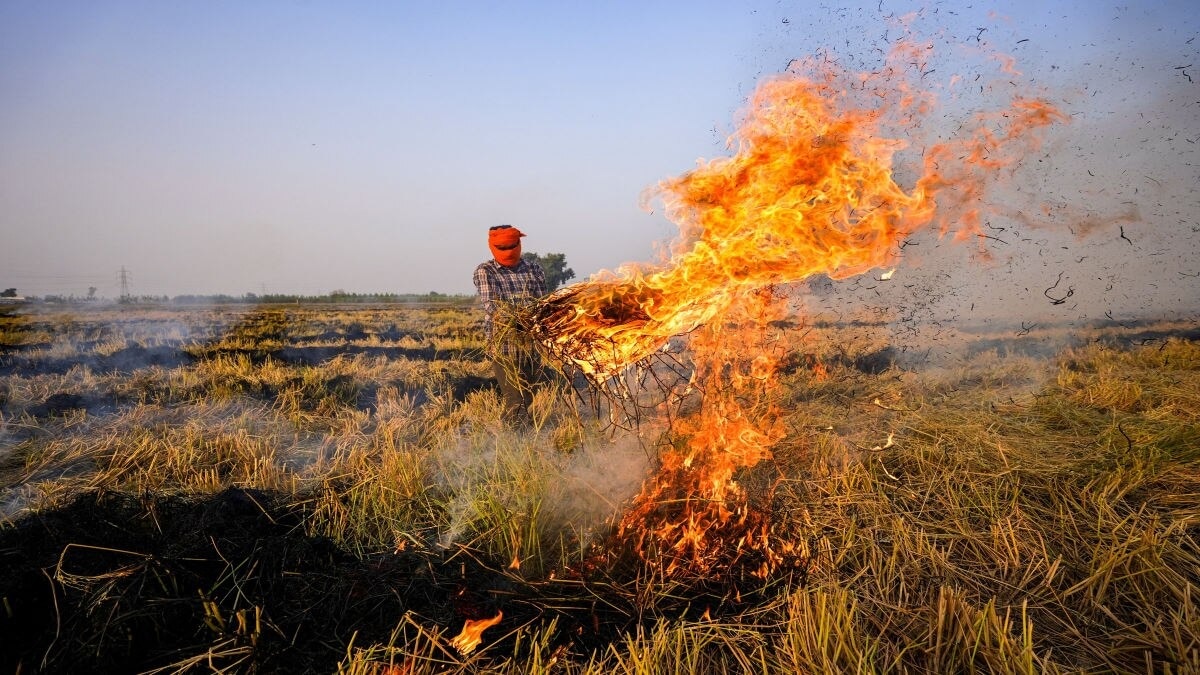
Paddy harvesting is starting in Punjab and Haryana.
After harvesting, some farmers burn leftover crop stalks, called stubble.
This burning can affect air quality in the National Capital Region.
The Commission for Air Quality Management is sending teams to watch what is happening in 34 districts.
The teams will speak with farmers and work with local officials to help prevent fires.
They will send reports every day.
Different teams will cover different districts at different times during the harvesting season.
The Commission says this will help authorities respond more quickly.

The Commission for Air Quality Management (CAQM) is deploying flying squads in Punjab and Haryana as paddy harvesting gets underway.
The teams will monitor conditions, coordinate with farmers and authorities, and work to prevent stubble-burning incidents.
Squads will cover 18 districts in Punjab and 16 in Haryana, with deployments phased across the harvesting season.
Teams will submit daily reports to the CAQM Cell on local conditions and prevention measures.
The Commission says the strengthened monitoring is intended to support timely assessment and action, given stubble burning’s impact on National Capital Region air quality.
- Who
- The Commission for Air Quality Management (CAQM), its flying squads, and authorities in Punjab and Haryana.
- What
- Deploying squads to monitor and help prevent paddy stubble burning.
- Where
- 18 districts in Punjab and 16 districts in Haryana.
- When
- As paddy harvesting gets underway; deployments will continue in successive phases during the harvesting season.
- Why
- To prevent stubble-burning incidents and address their impact on National Capital Region air quality.
Key facts
- Agency
- Commission for Air Quality Management (CAQM)
- States covered
- Punjab and Haryana
- Districts covered
- 34 total: 18 in Punjab and 16 in Haryana
- Reporting
- Daily reports will be submitted to the CAQM Cell
- Deployment plan
- Successive phases, with squads assigned to different districts during different periods
- Coordination
- Teams will work with farmers, local and district authorities, state officers, pollution control boards, the Parali Protection Force, the CAQM Cell at SAS Nagar and the Commission
Sources
Related news

Haryana Deploys Parali Protection Force, Drones to Curb Stubble Burning

Delhi AQI Turns Moderate as Stubble Burning Hits Six States

No Fuel Without PUC as Delhi NCR Tightens Pollution Rules

Bhagwant Mann Defends Punjab Farmers Ahead of Smog Season

Delhi Reviews District Plans to Curb Air Pollution
Punjab Stubble Fires Decline as 2027 Politics Intensifies

BJP Plans Delhi Event Marking Modi’s 25 Years

State Borrowing Set to Rise 26% to ₹3.6 Trillion

Haryana Sets Priorities After Modi Meeting on Development

Haryana Youth Discuss Uttarakhand Tourism and Connectivity With Dhami