

Archive · 3 Aug 2026
Saudi nuclear deal bares Washington’s double standards and concerns
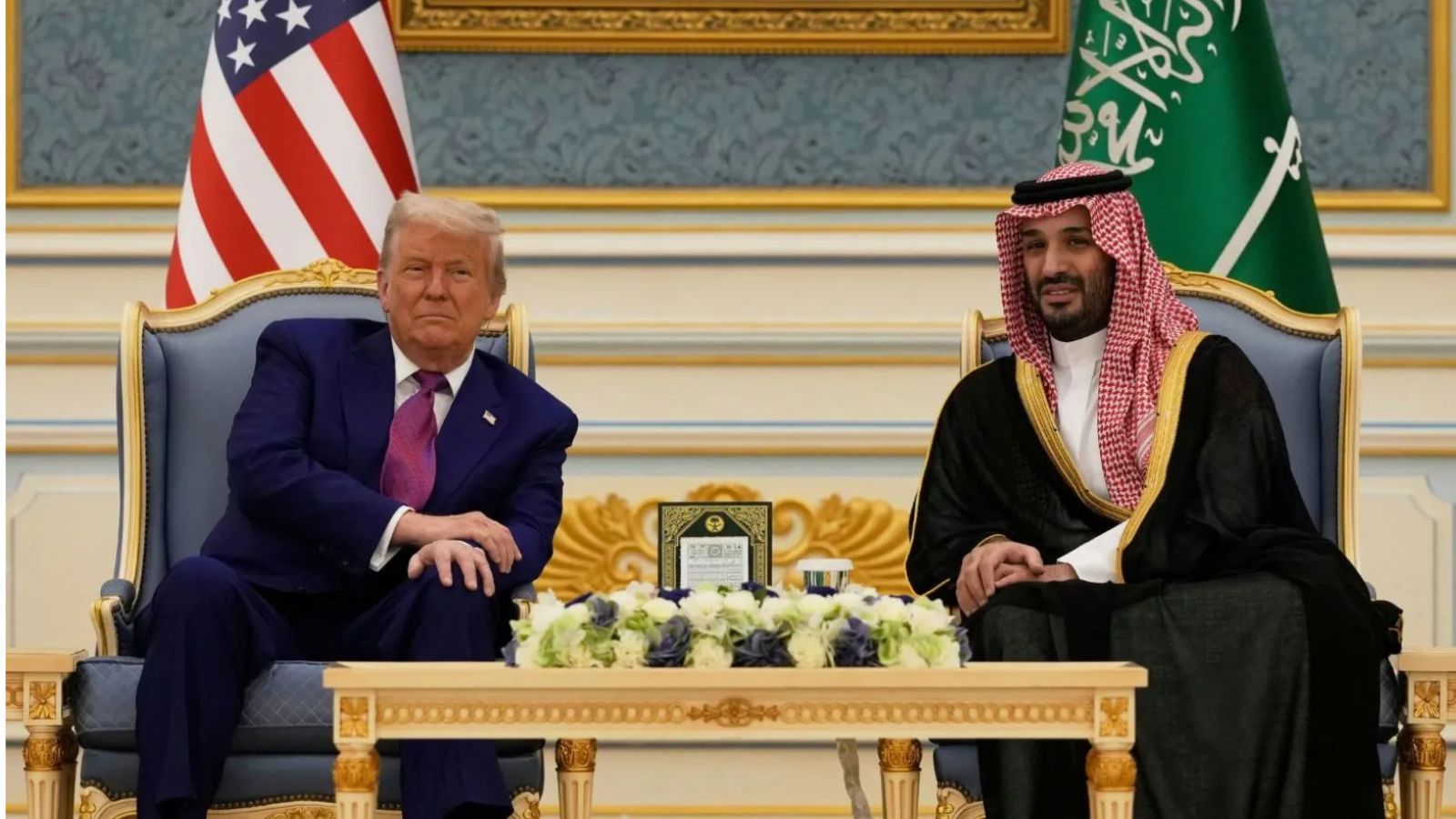
The United States and Saudi Arabia made a new nuclear deal that lets Saudi Arabia build a special enrichment plant.
Unlike a similar deal with the UAE, this one does not require Saudi Arabia to give up enrichment or follow strict international inspections.
President Trump said the deal would only work if Saudi Arabia joined the Abraham Accords, a move Saudi Arabia has not agreed to.
Critics say the deal weakens the rules that keep nuclear weapons from spreading.
Saudi Arabia already has a lot of oil and solar power, so many wonder why it needs nuclear energy.

US and Saudi Arabia signed a 123 Agreement allowing Saudi enrichment without renunciation.
The deal lacks the UAE’s Additional Protocol and relies on a bilateral inspection framework.
President Trump linked the agreement to Saudi accession to the Abraham Accords, a condition Riyadh has resisted.
Critics argue the agreement undermines US nonproliferation standards and could influence Iran and Israel’s nuclear strategies.
Saudi Arabia has abundant oil and solar resources, raising questions about the necessity of nuclear power.
- Who
- United States and Saudi Arabia
- What
- Signed a 123 nuclear agreement allowing Saudi enrichment
- When
- Signed in 2024, reviewed by Congress within 90 days
- Where
- United States and Saudi Arabia
- Why
- To compensate Saudi Arabia for perceived security losses amid US‑Israel war with Iran
- Agreement Type
- 123 Agreement
- Parties
- United States and Saudi Arabia
- Key Provision
- Saudi enrichment facility allowed
- Inspection Regime
- Bilateral framework, no Additional Protocol
- Condition
- Saudi accession to Abraham Accords