

Archive · 20 Nov 2025
Kolkata's Wooden Sandesh Moulds: A Dying Art
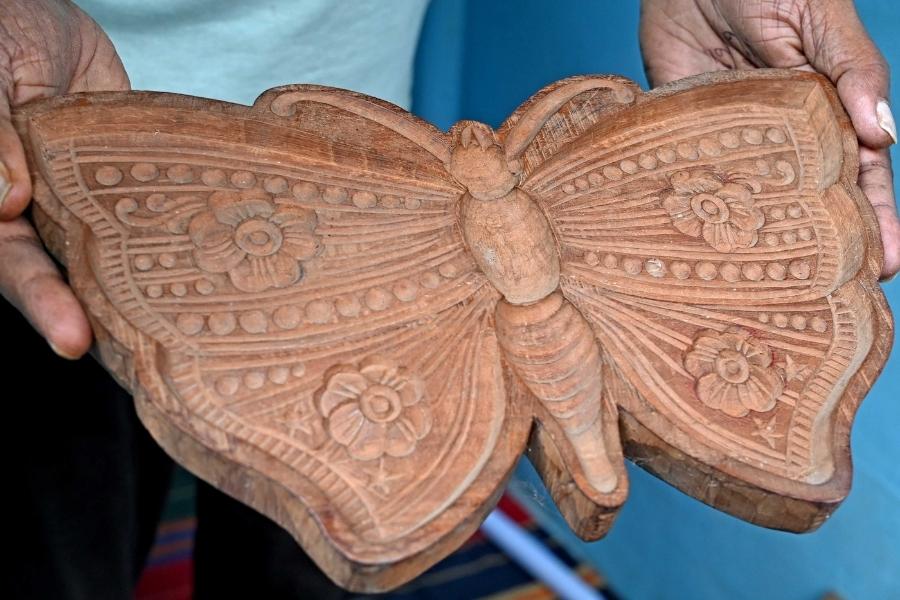
In Kolkata, there are shops where artisans carve beautiful wooden moulds for making sandesh, a type of sweet.
This craft has been passed down for generations, but it's getting harder to keep it going because fewer people want to learn it and there aren't as many orders as before.
The wooden moulds make the sandesh look really nice, and the patterns on them tell stories about Bengal's history and culture.
Even though it's a slow and careful job, some sweet shops still prefer using these wooden moulds.

Artisans in Kolkata carve intricate wooden moulds for sandesh (Bengali sweets)
The craft is facing a decline due to reduced demand and lack of successors
Wooden moulds give sandesh its unique patterns and are preferred by many sweet shops
Each mould is hand-carved in reverse and can last a lifetime with proper maintenance
The patterns on the moulds reflect Bengal's cultural heritage and traditions
- Who
- Artisans like Ujjal Das and Narayan Chandra Das
- What
- Carve wooden moulds for sandesh
- When
- The craft has been passed down for generations, but is facing a decline now
- Where
- In small shops on Rabindra Sarani, Kolkata
- Why
- To shape the identity of Kolkata’s sweets and keep a centuries-old craft alive
Traditionalists
Modernists
Use of Wooden Moulds
Traditionalists
Preserve the old-world Bengali aesthetic and sharp detailing
Modernists
Adopt more efficient and cost-effective methods like metal moulds
- Material
- Teakwood
- Other Products
- Stools, piris, chopping boards, trays, statues, figurines
- Price Range
- Rs 100 - 150 per mould
- Lifespan
- A lifetime with proper maintenance
- Popular Patterns
- Floral patterns, fish motifs, festive messages, fruit textures, biscuit shapes