

Archive · 25 Dec 2025
Viral Video Shows Cabin Crew Sleeping Zones
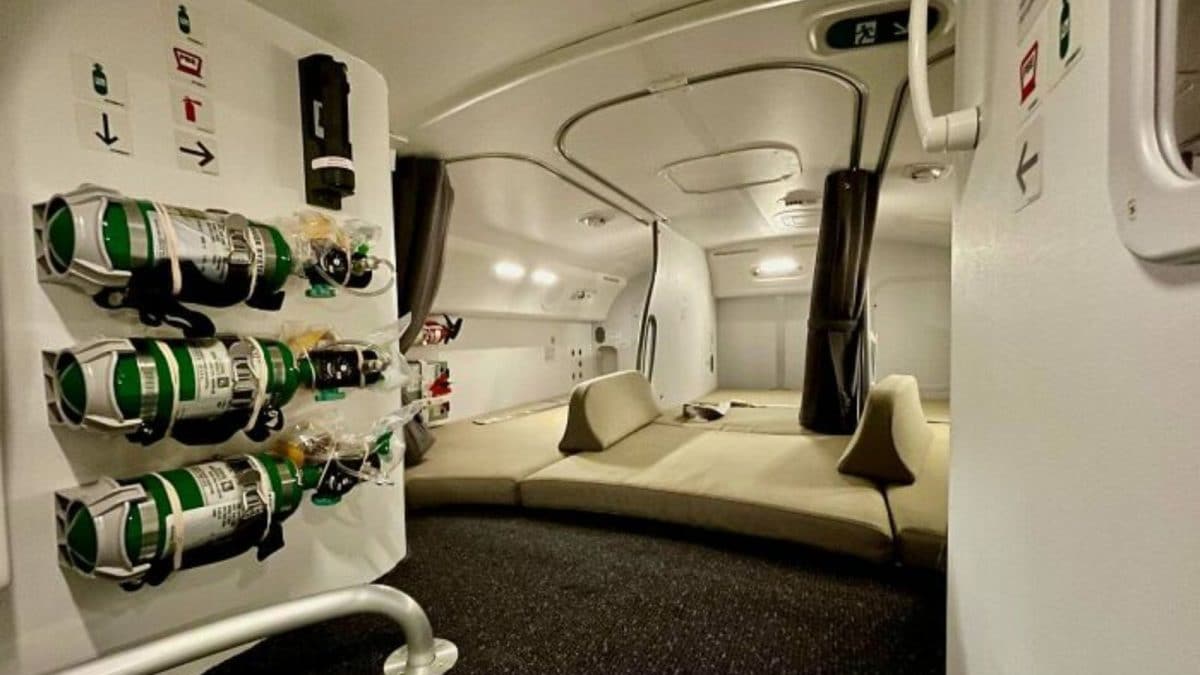
A flight attendant named Bryan shared a video on Instagram showing where cabin crew members sleep during long flights.
This special area, called the Crew Rest Compartment (CRC), is hidden from passengers and has small bunk beds with curtains for privacy.
The crew needs to rest during long flights to stay alert and keep passengers safe.
The video has gone viral, surprising many people who didn't know such hidden sleeping areas existed on planes.
These rest areas are essential for ultra-long-haul flights that can last 15-17 hours or more.
The crew works in shifts, with some sleeping while others manage the cabin.
The CRC is designed to meet safety standards and is strictly off-limits to passengers.

A viral video by flight attendant Bryan reveals the Crew Rest Compartment (CRC) on long-haul flights.
The CRC is a hidden area with narrow bunk beds, seat belts, pillows, blankets, and reading lights.
Cabin crew members use the CRC to rest during 12 to 18-hour shifts on flights lasting 15-17 hours or more.
The CRC is located above the main cabin or behind locked doors and is strictly off-limits to passengers.
The video has sparked curiosity online, with many viewers surprised to learn about these hidden compartments.
- Who
- Cabin crew members on long-haul flights
- What
- A viral video revealing the crew rest compartment (CRC) on aircraft
- When
- December 25, 2025
- Where
- On commercial aircraft during ultra-long-haul flights
- Why
- To provide a quiet retreat for cabin crew to rest and recharge during long flights
- Crew Rest Compartment (CRC)
- A hidden area for cabin crew to sleep on long flights
- Location
- Above the main cabin or behind locked doors
- Facilities
- Narrow bunk beds with seat belts, pillows, blankets, and reading lights
- Flight Duration
- 15-17 hours or more for ultra-long-haul flights
- Crew Work Shifts
- 12 to 18 hours, with staggered rest breaks
- Access
- Strictly off-limits to passengers
- Safety Standards
- Designed to meet aviation safety regulations