

Archive · 9 Jun 2025
Plastics on Farms: A Growing Environmental Challenge
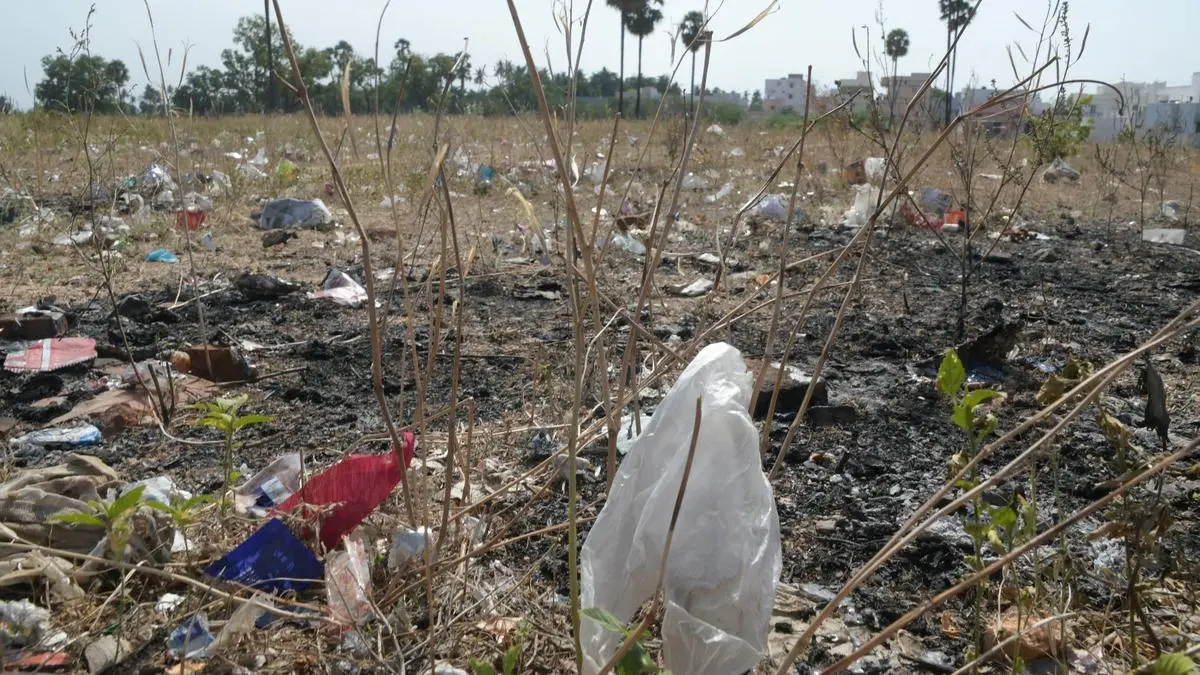
Imagine farmers using lots of plastic to help their crops grow, like plastic sheets and tubes.
This is called plasticulture.
The problem is, this plastic often ends up polluting the soil.
Farmers sometimes burn it or bury it, which harms the environment and can get into our food.
Scientists are working on ways to fix this, like using special plastics that break down naturally or going back to using things like straw.
It's important to find these solutions because we need to grow food without damaging the Earth.

Agriculture is increasingly contributing to plastic pollution due to widespread use of plastic in farming.
Plastics are used for various purposes in agriculture, including mulching, irrigation, and packaging.
Farmers often burn or bury plastic waste, causing air and soil pollution.
Microplastics from buried plastic contaminate soil, disrupting its health and entering the food chain.
Solutions include biodegradable plastics and nature-based alternatives like straw mulching.
- Who
- Farmers and policymakers
- What
- The increasing problem of plastic pollution in agriculture and its environmental impact.
- When
- The problem is intensifying and demands immediate action
- Where
- Farmlands globally
- Why
- Due to widespread use of plastics in agriculture, and current disposal methods harm the environment.
- Estimated plastic use in agriculture (2019)
- 12.5 million tonnes
- Projected increase in demand for plastic films by 2030
- 50%
- Releases from burning plastic
- Toxic chemicals
- Created by buried plastic
- Microplastics
- Process using living organisms to break down pollutants
- Bioremediation