

Archive · 19 Sep 2026
Experts Urge Indian Cities to Replace Conocarpus Trees
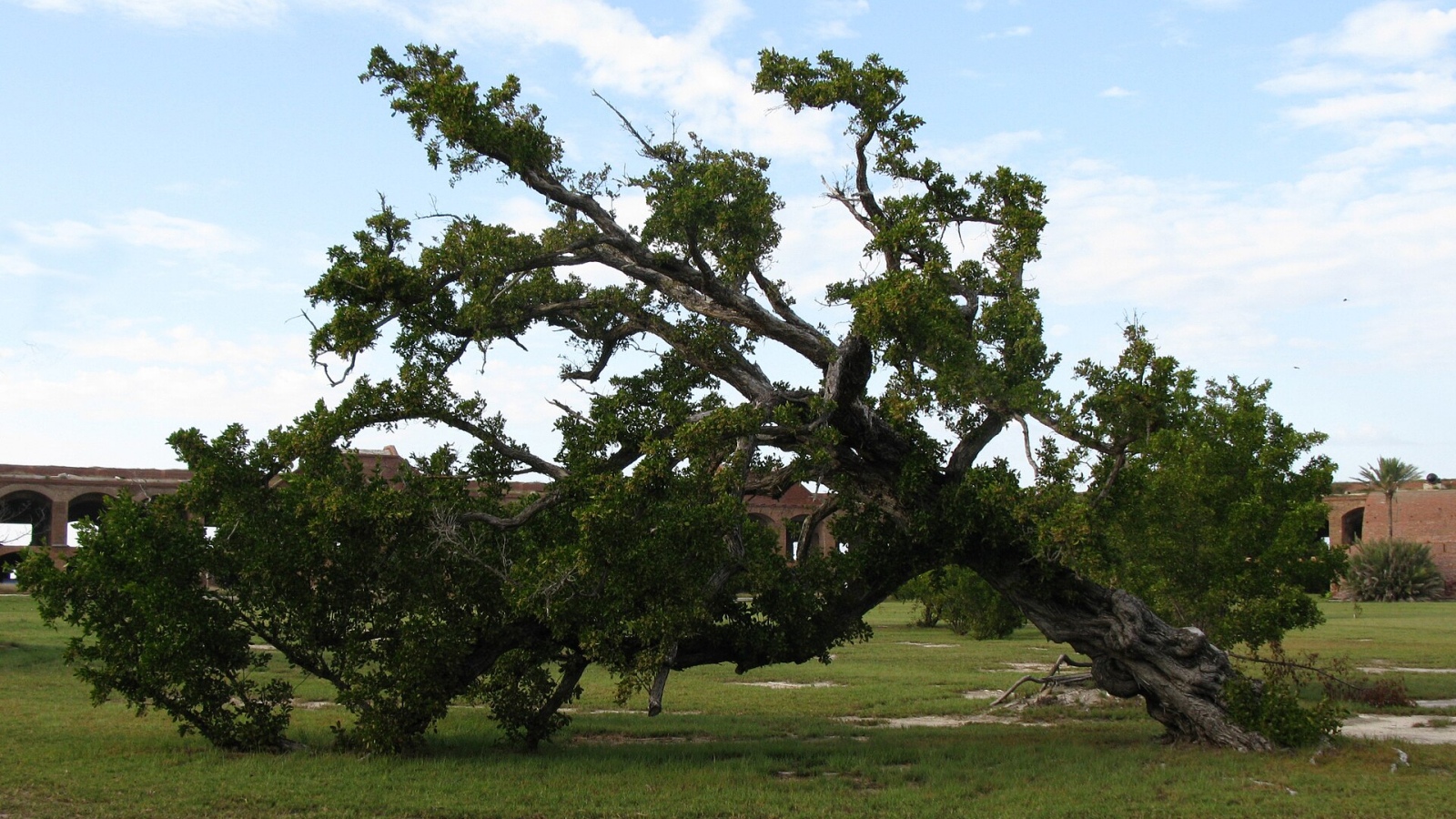
Conocarpus trees grow quickly and can survive hot, dry conditions.
That is why many cities planted them along roads and in public spaces.
Experts now worry that these trees may harm local plants and wildlife.
They say the trees can create areas with little biodiversity, which they describe as a “green desert.”
Their roots may also damage pipes, roads and building foundations.
The article says their pollen can cause problems for some people with allergies or breathing conditions.
Environmentalists recommend planting native trees instead.
Mango, neem, peepal and banyan are suggested because they can support local wildlife.
The goal is to make cities cooler, healthier and more supportive of nature.

Several Indian states have banned or discouraged planting Conocarpus over environmental, infrastructure and health concerns.
Environmentalists say Conocarpus may suppress native plants and reduce habitat for birds, bees and insects.
Its water-seeking roots are alleged to damage pipelines, sewer lines, roads and building foundations.
Conocarpus pollen has been linked in the article to allergies, asthma and breathing difficulties.
Experts recommend native alternatives such as mango, neem, peepal and banyan for urban planting.
- Who
- Environmentalists, including Jasmit Singh Arora, and several Indian states are involved in the debate.
- What
- Cities are being urged to restrict or replace Conocarpus trees with native species.
- When
- The article does not provide a specific date; it says the concerns have emerged after years of Conocarpus planting.
- Where
- Urban areas across India.
- Why
- Experts cite possible effects on biodiversity, civic infrastructure and human health, while recommending native trees as alternatives.
- Tree under scrutiny
- Conocarpus, also known as Conocarpus erectus or buttonwood tree
- Main environmental concern
- Experts say its leaves may suppress native plant growth and reduce biodiversity.
- Infrastructure concern
- Its roots are said to potentially damage water pipelines, sewer lines, roads and building foundations.
- Health concern
- The article says Conocarpus pollen has been linked to allergies, asthma and breathing difficulties.
- Recommended alternatives
- Mango, neem, peepal and banyan
- Preferred tree traits
- Native adaptation, broad canopies, non-invasive roots, dust-trapping ability and low allergenic potential
- Policy trend
- Several Indian states have banned or discouraged Conocarpus planting.