Archive · 21 Jan 2026
India's Fertilizer Imports Surge to Record $18 Billion
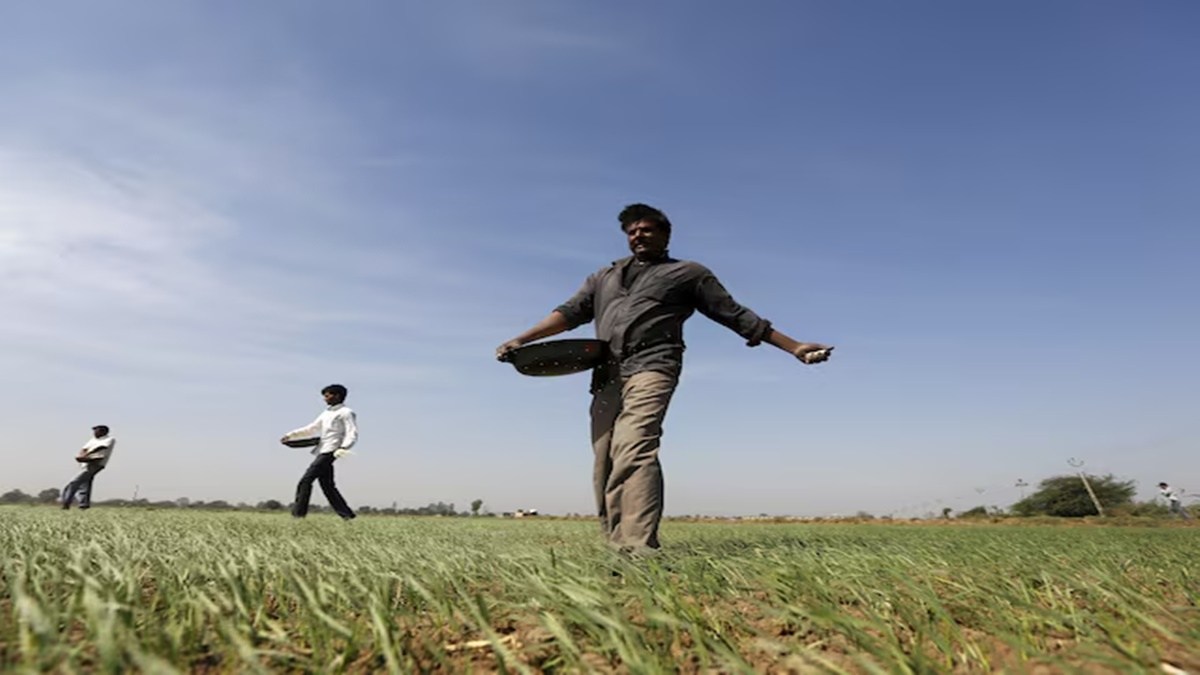
India is buying a lot more fertilizer this year because the rains have been really good, and farmers are planting more crops.
This has made the country spend a record amount on importing fertilizers like urea and DAP.
The government and industry experts are worried about relying so much on imports, but farmers and producers say it's necessary to meet the increased demand.
The extra rain has helped farmers plant more winter crops like wheat and chickpeas, which need more fertilizer.

India's fertilizer imports for the current fiscal year are expected to surge 76% to a record $18 billion.
Consumption of urea and DAP has increased due to favorable monsoon rains and expanded crop areas.
Urea imports are expected to rise 61% to 9 million metric tons, and DAP imports could jump 52% to 7 million tons.
India recorded 8% above-average rainfall during the monsoon and 49% higher than normal precipitation in October.
Winter crop planting has increased by 3.3% compared to the previous year, covering 65.23 million hectares.
- Who
- Indian government, industry officials, farmers, fertilizer producers
- What
- Surge in fertilizer imports and consumption
- When
- Current fiscal year (April 2025 - March 2026)
- Where
- India
- Why
- Increased crop planting due to favorable monsoon rains and higher demand for urea and DAP
Government and Industry Officials
Farmers and Fertilizer Producers
Import Dependence
Government and Industry Officials
High import dependence is a concern due to cost and supply chain vulnerabilities.
Farmers and Fertilizer Producers
Imports are necessary to meet the increased demand driven by favorable weather conditions.
- Fertilizer Imports (Current Fiscal Year)
- $18 billion (expected)
- Fertilizer Imports (Last Fiscal Year)
- $10.23 billion
- Fertilizer Imports (2022-2023)
- $17.21 billion
- Urea Imports (Expected)
- 9 million metric tons
- DAP Imports (Expected)
- 7 million tons
- Monsoon Rainfall (June-September)
- 8% above average
- October Precipitation
- 49% higher than normal
- Winter Crop Planting (2025)
- 65.23 million hectares (up 3.3% from previous year)