

Archive · 24 Aug 2026
Computer History Museum Shows Technology’s Rise, Fall And Renewal
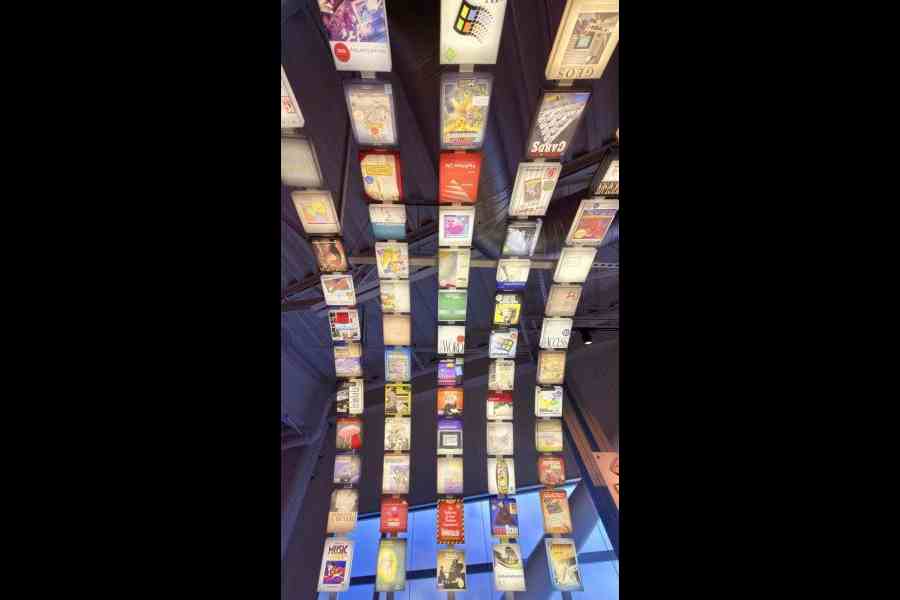
The writer visited a museum filled with old computers and machines.
These machines were once new and very important.
Some, like UNIVAC, became famous but later disappeared from everyday life.
Other products, such as the Macintosh and iPod, helped change how people worked or listened to music.
Older software like Lotus 1-2-3 and WordStar is now mostly remembered as part of computer history.
The museum also changed its name and location over the years.
The visit made the writer think about how people change as they grow older.
It also suggests that today’s artificial-intelligence tools may one day be replaced by something newer.

A visit to the Computer History Museum in Mountain View, California, prompts reflection on technological change and personal memory.
The museum displays artifacts including the 1880 Lord’s Calculator, IBM’s 1949 Type 26 Printing Card Punch and a 1962 Laboratory Instrument Computer.
UNIVAC became famous for its role in 1952 election coverage but did not achieve lasting success.
Products and software such as the Macintosh, 10GB iPod, Lotus 1-2-3 and WordStar are presented as once-important technologies that were later replaced.
The museum’s own history reflects change, evolving from the Digital Computer Museum into the Computer History Museum by 2000.
- Who
- The writer and the Computer History Museum, along with the historic machines and companies featured there.
- What
- A museum visit becomes a reflection on the rise, decline and replacement of technologies over time.
- When
- The exhibits span from 1880 to the 2000s; the article does not specify when the visit occurred.
- Where
- The Computer History Museum on North Shoreline Boulevard in Mountain View, California.
- Why
- The exhibits illustrate the computer revolution and encourage reflection on change, memory and the temporary nature of technology.
- Museum
- Computer History Museum
- Location
- Mountain View, California
- Earliest artifact mentioned
- Lord’s Calculator, dating to 1880
- UNIVAC milestone
- Featured in 1952 election coverage
- Macintosh
- Apple’s 1984 GUI-based personal computer, following the Lisa
- iPod
- Apple’s 10GB iPod from 2002 could hold 1,000 songs
- Museum development
- The institution became the Computer History Museum in 2000