

Archive · 10 Nov 2025
Tribal Jharkhand Faces Crisis with Thalassaemia and HIV Amid Healthcare Failures
Imagine a land where many people have a sickness called thalassaemia, which means their blood needs special help.
To get this help, they often need blood transfusions.
Sadly, some hospitals in Jharkhand, a state in India, didn't give them clean blood.
Because of this, five kids who had thalassaemia also got another sickness called HIV from the dirty blood they received.
This made many people upset, and the government had to take action.
Officials suspended some hospital workers and promised to help the sick children.
However, some people say the government isn't doing enough to fix the hospitals and provide the best treatments.
Jharkhand needs more doctors who know about blood problems and special places to cure thalassaemia.
Many tribal families are struggling because these treatments are very expensive and hard to get.

Five tribal children in Jharkhand were diagnosed with HIV after receiving contaminated blood transfusions for thalassaemia.
The opposition BJP claims more children in Ranchi and Koderma have also been diagnosed with HIV.
Jharkhand has only one haematologist for the entire state, and no bone marrow transplant facility.
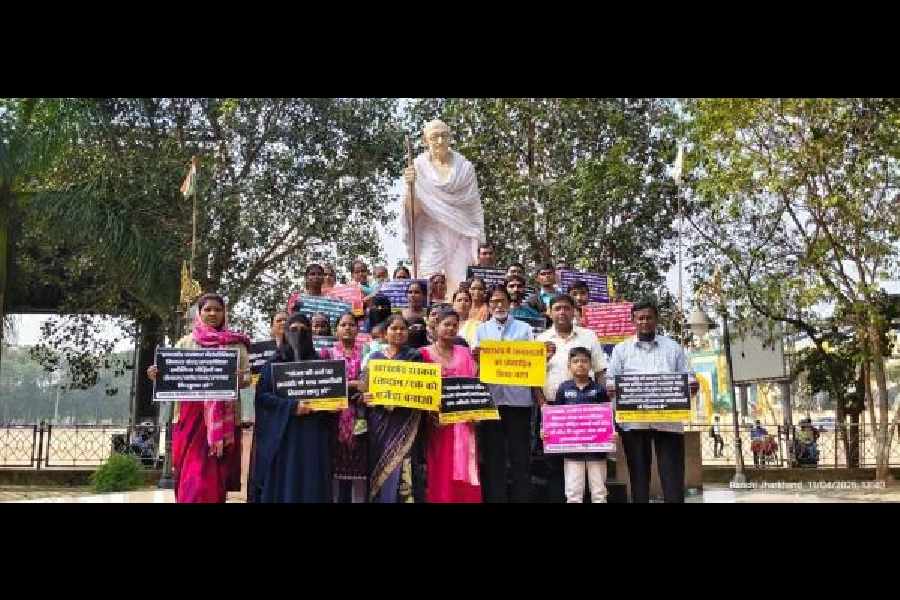
Activists blame state indifference, poor health infrastructure, and flawed policies for the crisis.
The government has suspended staff, ordered a statewide blood bank audit, and promised compensation and free treatment for affected children.
- Who
- Tribal families, children with thalassaemia, government health officials, medical professionals, social activists, BJP spokespersons.
- What
- Tribal children with thalassaemia contracted HIV through contaminated blood transfusions, highlighting a severe healthcare crisis involving inadequate infrastructure, lack of specialists, and insufficient treatment access.
- When
- Recently (HIV diagnoses), and ongoing (thalassaemia crisis).
- Where
- Jharkhand, India, specifically mentioning Chaibasa Sadar Hospital and Ranchi.
- Why
- Systemic failures in the healthcare system, including poor blood bank operations, lack of specialized medical personnel (haematologist), absence of advanced treatment centers (bone marrow transplant), and insufficient government welfare schemes, compounded by genetic factors contributing to high thalassaemia prevalence.
Government and Some Medical Professionals' Stance
Activists and Victim Families' Stance
Cause of HIV Transmission
Government and Some Medical Professionals' Stance
Health Minister Irfan Ansari suggested that families might have obtained blood from private sources, and Dr. Abhishek Kumar Singh noted that parents sometimes procure blood from unknown donors, risking disease transmission.
Activists and Victim Families' Stance
Social activists and victim families point to systemic failures in government hospitals, including contaminated blood transfusions, lack of a dedicated haematologist, and poor infrastructure as the primary reasons for the crisis.
Prevalence of Thalassaemia
Government and Some Medical Professionals' Stance
Health Minister Irfan Ansari attributed the high prevalence in tribal communities to genetic susceptibility due to inter-community marriages.
Activists and Victim Families' Stance
Health activists explain the high prevalence due to historical malaria, genetic clustering from isolation, and consanguineous marriages, compounded by state indifference and inadequate health infrastructure.
Solutions and Prevention
Government and Some Medical Professionals' Stance
The government has initiated actions like suspending staff, auditing blood banks, forming inquiry panels, and promising compensation and free treatment. Dr. Singh highlighted the need for careful donor screening.
Activists and Victim Families' Stance
Activists advocate for mandatory voluntary blood donation, improved infrastructure, targeted welfare schemes, regulation of donor incentives, and comprehensive screening and support programs, especially in tribal areas.
- Estimated Thalassaemia Patients in Jharkhand
- 11,000
- Prevalence of Thalassaemia Traits in Jharkhand Tribals
- 11%
- Number of Haematologists in Jharkhand
- 1
- Status of Bone Marrow Transplant Centers in Jharkhand
- None
- Coal India Scheme for Transplants (Maximum Cover)
- ₹15 lakh
- Estimated Cost of Bone Marrow Transplant
- ₹35 lakh or more
- Jharkhand State Government Support for Transplants
- None (unlike Chhattisgarh's ₹15-18 lakh)