

Archive · 19 Dec 2025
Is it bad to check your blood pressure a lot?
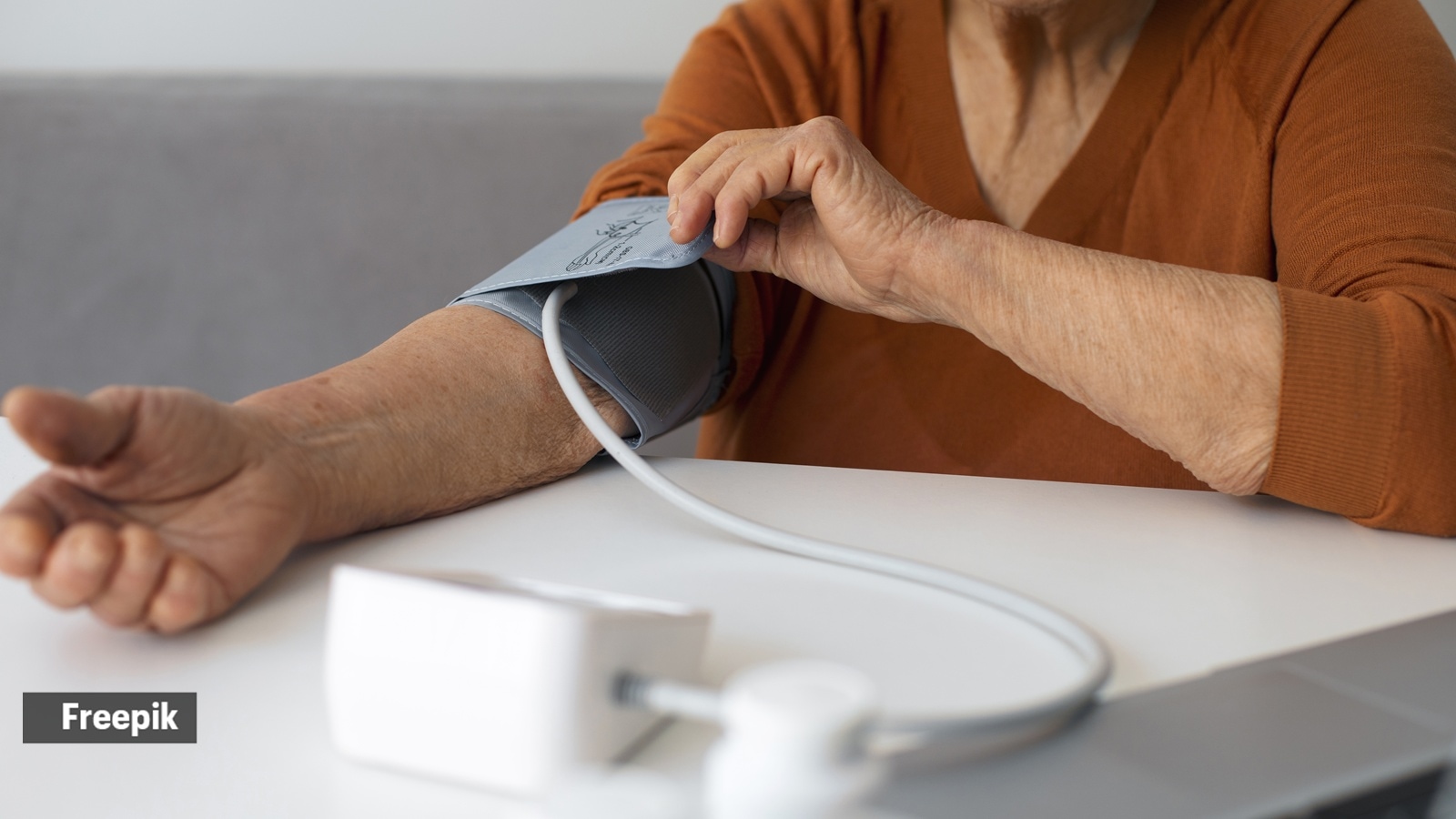
Checking your blood pressure a lot isn't necessarily bad, but it depends on how and why you do it.
Doctors say it's helpful for people with high blood pressure or certain health conditions to monitor their blood pressure at home.
They should check it once in the morning and once in the evening for a few days, or a few times a week.
It's also good to check when you have symptoms like headaches or dizziness.
But checking too often, like every few hours, can make you anxious and give wrong readings.
To get accurate results, you should sit quietly before checking, avoid caffeine and exercise, and use a good blood pressure machine.
The goal is to be aware of your blood pressure, not to worry about it.

Checking blood pressure regularly is not harmful, but how and why you check it matters.
Frequent monitoring can offer reassurance and help with management, but it can also cause anxiety and misleading readings.
Home blood pressure monitoring is particularly useful for people with hypertension, on medications, or with certain health conditions.
For most people with high blood pressure, checking once in the morning and once in the evening for a few days, or a few times a week is enough.
Accuracy is crucial when measuring blood pressure at home, and tracking trends over time is more important than reacting to a single high reading.
- Who
- People with hypertension, on medications, or with certain health conditions
- What
- Checking blood pressure frequently
- When
- As advised by a doctor, or when symptoms occur
- Where
- At home
- Why
- To monitor and manage blood pressure, but excessive checking can cause anxiety and misleading readings
- Who needs regular monitoring?
- People with hypertension, on medications, or with diabetes, kidney disease, or heart conditions
- Recommended frequency
- Once in the morning and once in the evening for a few days, or a few times a week
- When to check based on symptoms
- Persistent headaches, dizziness, chest discomfort, unusual fatigue, or palpitations
- Pre-measurement guidelines
- Sit quietly for five minutes, avoid caffeine, smoking, or exercise 30 minutes prior, keep the arm supported at heart level, use a validated digital machine, take two readings and note the average
- Potential risks of frequent checking
- Measurement anxiety, temporary spikes, unnecessary worry