

Archive · 2 Jan 2026
Stone Age Hunter-Gatherers Built Funeral Pyre in Africa
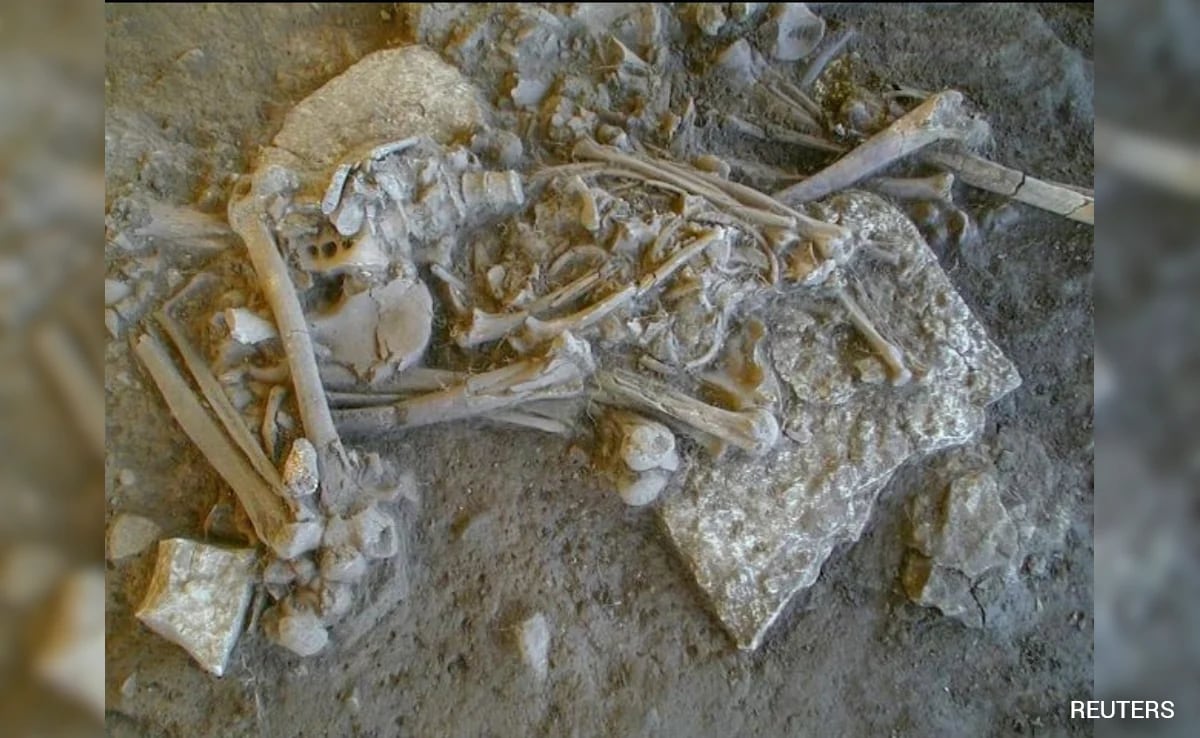
A long time ago, about 9,500 years, people in Africa built a big fire to burn a body as part of a funeral.
This is a very old example of cremation, and it shows that these hunter-gatherers had special ways to honor their dead.
The fire was huge and took a lot of work to keep going.
The people who did this might have thought the person was special or important.
They kept using the same spot for fires for many years, showing it was a special place for them.
This discovery helps us understand more about how ancient people lived and honored their loved ones.

Archaeologists discovered the earliest evidence of cremation in Africa and the earliest adult pyre cremation in the world, dating back 9,500 years.
The cremation took place at the Hora 1 archaeological site in northern Malawi, involving a small adult, likely a woman, under 5 feet tall.
The pyre was massive, requiring at least 70 pounds of deadwood and burning at temperatures of at least 1,000 degrees Fahrenheit for hours to days.
The event involved multiple people actively engaged in the cremation process, indicating a communal and significant mortuary ritual.
The site shows evidence of repeated fire use over several hundred years, suggesting its ongoing significance to the community.
- Who
- Stone Age hunter-gatherers in Malawi
- What
- Built a funeral pyre to cremate a deceased individual
- When
- Approximately 9,500 years ago
- Where
- Hora 1 archaeological site, northern Malawi
- Why
- To perform a mortuary ritual, possibly indicating complex social roles and significance of the deceased
- Location
- Hora 1 archaeological site, northern Malawi
- Time Period
- 9,500 years ago
- Discovery
- Earliest evidence of cremation in Africa and adult pyre cremation in the world
- Body Details
- Small adult, likely a woman, under 5 feet tall, physically active, middle-aged
- Fire Details
- Reached at least 1,000 degrees Fahrenheit, burned for hours to days
- Fuel Used
- At least 70 pounds of deadwood
- Significance
- Indicates complex social roles and mortuary rituals among hunter-gatherers