

Archive · 22 Jul 2026
India Considers New AI Law
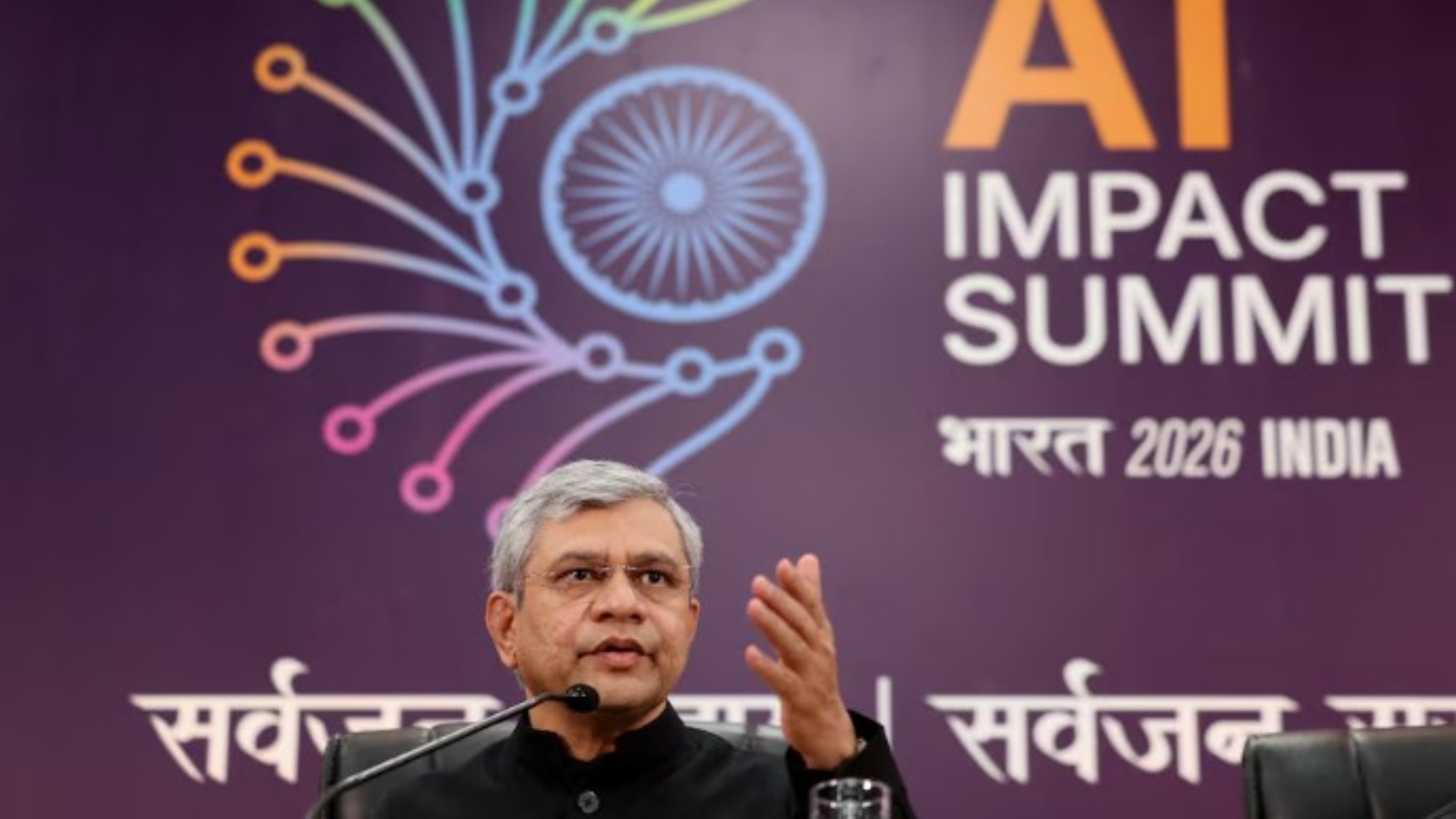
The Indian government is thinking about making new rules for artificial intelligence (AI).
These rules would cover things like deepfakes, which are fake videos or pictures made by AI, and AI systems that can work on their own.
The government wants to make sure that people give their consent before their images are used to create deepfakes.
They are also looking at how to make AI companies responsible for the content their systems create.
This is because AI is different from regular user-generated content on social media, and the current rules might not apply.
The government is talking to experts and other organizations to figure out the best way to regulate AI.

The Indian government is considering a new AI law to regulate synthetically-generated content and agentic AI autonomy.
The law would likely be a standalone piece of legislation, not under the Information Technology Act, 2000.
The government is exploring a consent-based framework for synthetically generated media to address issues like deepfakes.
Agentic AI refers to autonomous AI systems that can plan and execute multi-step actions with minimal human supervision.
The government is consulting with the Reserve Bank of India (RBI) and the Securities and Exchange Board of India (SEBI) to set up a regulatory sandbox for AI applications in high-impact areas.
- Who
- The Ministry of Electronics and Information Technology (MeitY) in India.
- What
- Exploring a new AI law to regulate synthetically-generated content, agentic AI autonomy, and platform liability.
- When
- Currently underway, with potential legislation in the future.
- Where
- India.
- Why
- To address issues like deepfakes, agentic AI autonomy, and the need for a consent-based framework for synthetically generated media.
Proponents of AI Regulation
Opponents of AI Regulation
Need for Regulation
Proponents of AI Regulation
Proponents argue that AI regulation is necessary to address issues like deepfakes, agentic AI autonomy, and platform liability.
Opponents of AI Regulation
Opponents believe that existing laws are sufficient to handle AI-related challenges and that new regulations could stifle innovation.
Consent-Based Framework
Proponents of AI Regulation
Proponents support a consent-based framework for synthetically generated media to protect individuals' privacy and data ownership.
Opponents of AI Regulation
Opponents argue that such a framework could be overly restrictive and may not be necessary given existing data protection laws.
- Ministry of Electronics and Information Technology (MeitY)
- The ministry exploring AI regulation in India.
- Agentic AI
- Autonomous AI systems that plan multi-step actions and adjust strategies in real-time.
- Deepfakes
- Synthetically generated media that can be used to create misleading or objectionable content.
- Regulatory Sandbox
- A controlled environment for testing AI applications in high-impact areas like finance and public services.
- Safe Harbour
- Legal immunity for platforms hosting user-generated content, which may not apply to AI-generated content.