

13 hrs ago
Eviction Protests Intensify Spain’s Housing Crisis and Election Stakes
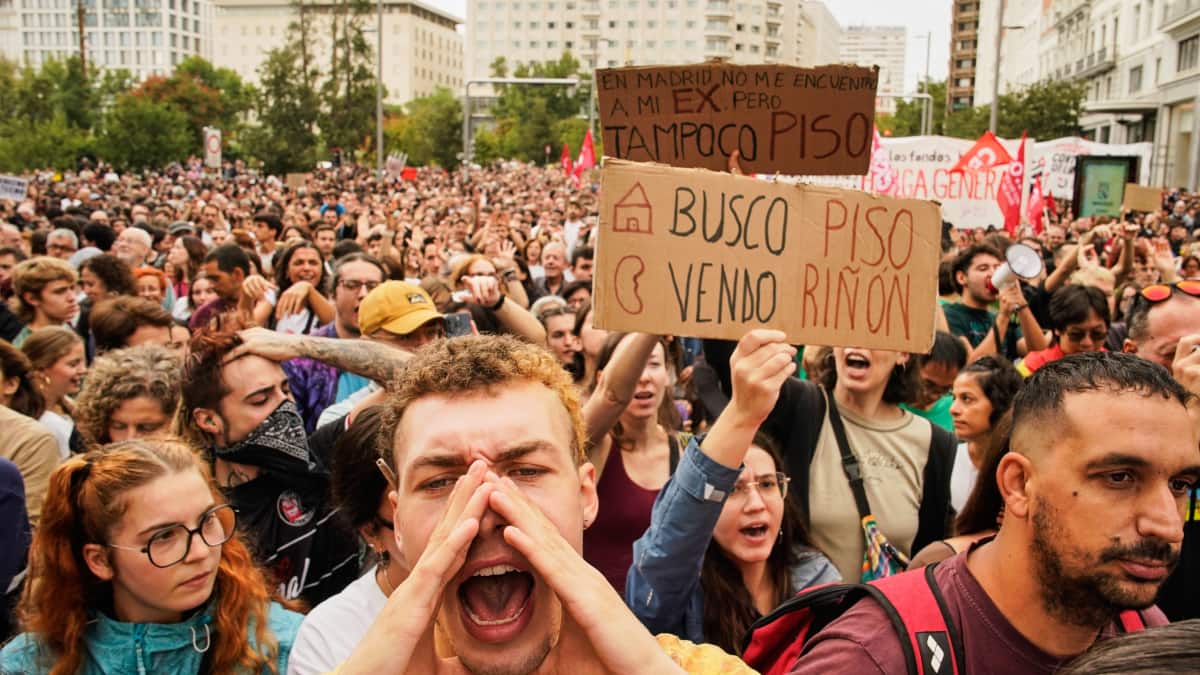
An 87-year-old woman in Madrid was forced to leave the home where she had lived for many years because she could not pay the rent.
The rent had risen after an investment company bought the apartment.
Her eviction upset many people, who say housing has become too expensive and tenants need more protection.
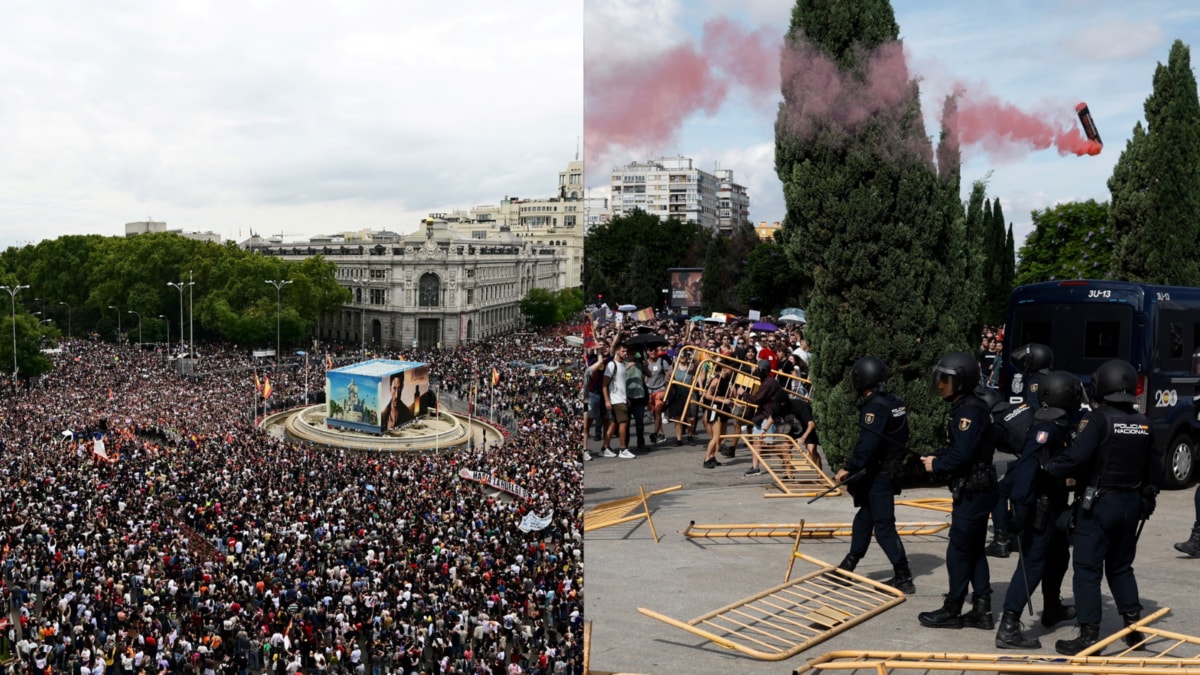
Protests spread to several Spanish cities.
The government proposed rules to help renters and prevent some evictions.
Parliament rejected those proposals.
Prime Minister Pedro Sánchez then called an early election for November 29 and said he wanted more support to make changes.
The article presents the eviction and protests as part of the pressure surrounding his election decision, not as the only reason for it.

María del Carmen Abascal, 87, was evicted from her Madrid home on September 23 over unpaid rent.
Her family had held the lease since 1956; after an investment firm bought the apartment in 2018, rent rose from €500 to €1,650.
The eviction sparked protests in Madrid and other Spanish cities, with demonstrators demanding stronger tenant protections and action on housing costs.
Prime Minister Pedro Sánchez’s government proposed emergency housing decrees, but Spain’s 350-seat lower house rejected them.
Amid continuing public anger, Sánchez called a snap election for November 29, seeking a broader parliamentary majority; his Socialist Party was trailing in opinion polls.
- Who
- María del Carmen Abascal, Prime Minister Pedro Sánchez, protesters and members of Spain’s lower house.
- What
- An eviction became a focus of protests over housing, while parliament rejected government housing decrees and Sánchez called a snap election.
- Where
- Madrid and other Spanish cities, including Barcelona, Valencia, Palma de Mallorca, Santander, Segovia and Toledo.
- When
- The eviction occurred on September 23; the decrees were rejected on Friday, October 2; the election was called for November 29. The article does not specify the year.
- Why
- Rising rents and housing costs, the eviction, and parliament’s rejection of proposed protections fueled public anger; Sánchez said he sought a broader parliamentary majority.
Arguments for stronger renter protections
Concerns about effects on rental supply
Proposed housing decrees
Arguments for stronger renter protections
Sánchez’s government said the measures would protect vulnerable tenants and address housing pressures, including through eviction limits and automatic lease renewals.
Concerns about effects on rental supply
Junts lawmaker Miriam Nogueras argued the decrees could prompt owners to withdraw properties from the rental market and push prices higher.
Protesters’ demands
Arguments for stronger renter protections
Demonstrators called for measures including rent freezes, limits on evictions, regulation of room-by-room rentals and automatic renewal of rental contracts.
Concerns about effects on rental supply
The article does not provide a distinct opposing response to these demands beyond the objections raised to the government’s decrees.
Key facts
- Evicted tenant
- María del Carmen Abascal, 87, a pensioner with a disability
- Eviction date
- September 23
- Rent change
- The article says rent rose from €500 to €1,650 after the apartment was bought by an investment firm in 2018.
- Election date
- November 29
- Parliament size
- The lower house has 350 seats.
- Housing measures
- Two proposed decrees included eviction protections for vulnerable people and automatic lease renewals; parliament rejected them.
- Housing shortage estimate
- The article cites a Bank of Spain estimate of a roughly 750,000-home deficit, projected to exceed one million by 2028.
Quotes

Miriam Nogueras
Junts lawmaker
“Think about ordinary people, about those who most need the protection of public institutions. Think about the millions of young people who cannot afford to move out of their parents’ homes. Think about the families living with the constant anxiety of ever-rising rents.”
 firstpost.com
“If they really wanted to protect people, collar the vulture funds, and reactivate housing, they would have already done it. They’ve had eight years.”
firstpost.com
Sources
Related news

Sánchez Calls Snap Election After Housing Measures Defeated
Tens of Thousands Protest Across Spain for Affordable Housing
Evicted Spanish octogenarian considers landlord offer after nationwide housing protests

Spain's Sánchez Calls Snap Election After Housing Measures Defeated
Spain housing pact follows eviction protest and return offer

Nearly 10,000 Protest Eviction of 87-Year-Old Madrid Tenant

Modric Ashamed After England Inflict Croatia’s Heaviest Defeat

Spain Defeat Czech Republic to Extend Winning Nations League Start
