

Archive · 25 Aug 2026
District Collectors Gain Direct CAA Citizenship Powers Across Eight Regions
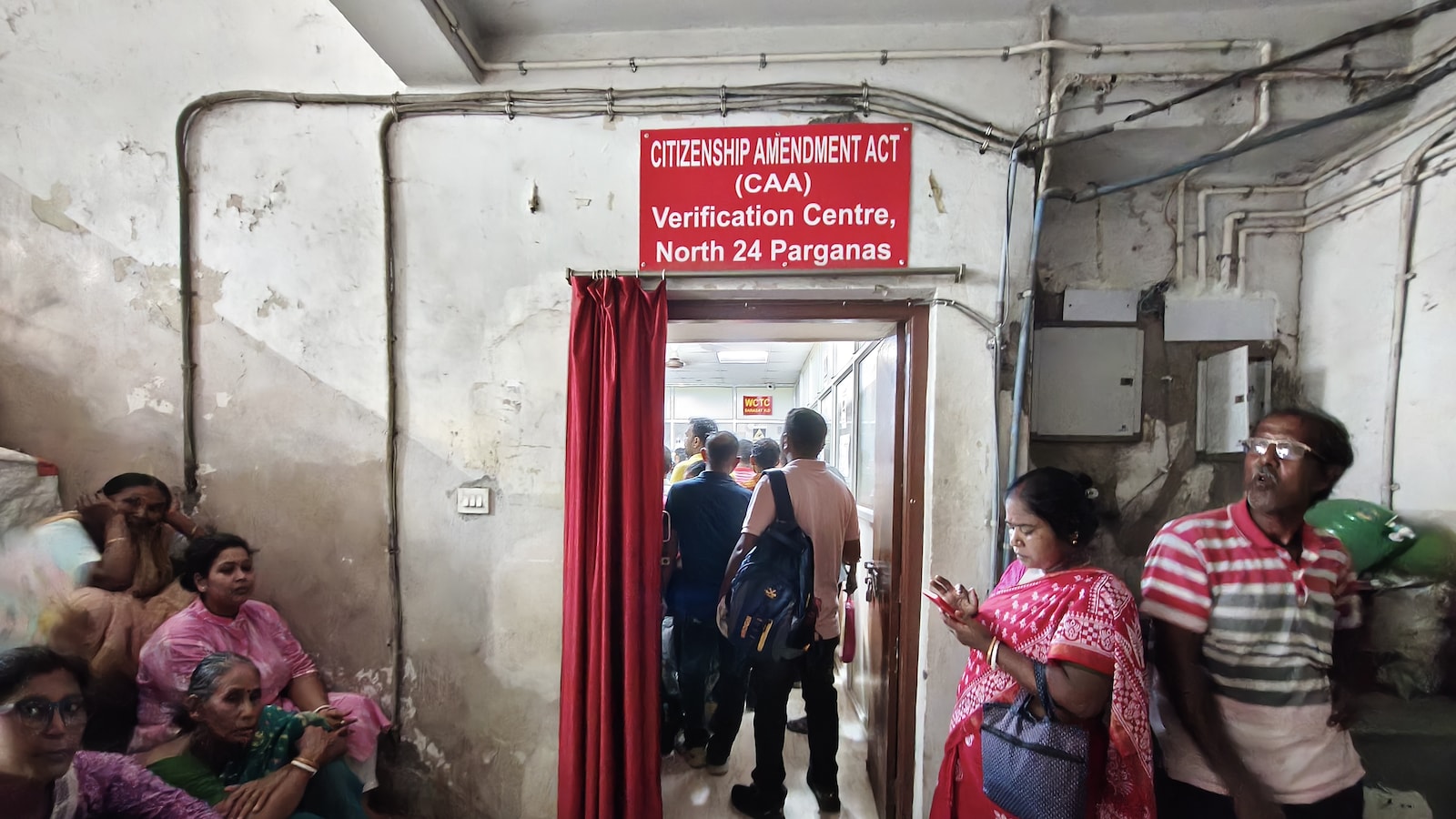
India has changed how some citizenship applications are decided.
District Collectors can now handle these applications directly.
They can check documents, make enquiries, administer an oath, and approve or reject applications.
This applies in six states and two Union Territories.
Notified tribal areas in Assam and Tripura are not included.
Applications already waiting with committees will be moved to the appropriate Collector.
An applicant may be rejected for not appearing to sign the application and take the oath after reasonable opportunities.
The change is meant to reduce delays by removing several layers of review.
The eligibility requirements under the CAA have not changed.

District Collectors can now receive, scrutinise, approve or reject CAA citizenship applications.
The system covers Gujarat, Rajasthan, Punjab, West Bengal, Assam, Tripura, Jammu and Kashmir, and Ladakh.
Notified tribal areas in Assam and Tripura are excluded from the Collector-led arrangement.
Pending applications before Empowered and District Level Committees will transfer to the relevant Collector.
The Citizenship (Third Amendment) Rules, 2026, took effect on August 19 upon Gazette publication.
- Who
- District Collectors and applicants eligible under Section 6B of the Citizenship Act, 1955.
- What
- The Citizenship (Third Amendment) Rules, 2026, give District Collectors direct authority to receive, examine, grant or reject certain citizenship applications.
- When
- The rules were notified by the Ministry of Home Affairs and took effect on August 19, 2026, upon publication in the Official Gazette.
- Where
- Gujarat, Rajasthan, Punjab, West Bengal, Assam, Tripura, Jammu and Kashmir, and Ladakh; notified tribal areas in Assam and Tripura are excluded.
- Why
- The Centre says the Collector-led system is intended to simplify the process and reduce delays by replacing the committee-based arrangement.
- Legal basis
- Applications under Section 6B of the Citizenship Act, 1955.
- New competent authority
- The District Collector concerned.
- Covered states
- Gujarat, Rajasthan, Punjab, West Bengal, Assam and Tripura.
- Covered Union Territories
- Jammu and Kashmir and Ladakh.
- Excluded areas
- Notified tribal areas of Assam and Tripura.
- Pending applications
- Cases before Empowered Committees and District Level Committees will be transferred to the relevant Collector.
- CAA eligibility
- The route applies to eligible Hindus, Sikhs, Buddhists, Jains, Parsis and Christians from Pakistan, Bangladesh and Afghanistan who entered India on or before December 31, 2014.
