

Archive · 21 Jan 2026
Mumbai Election: A Tale of Two Realities
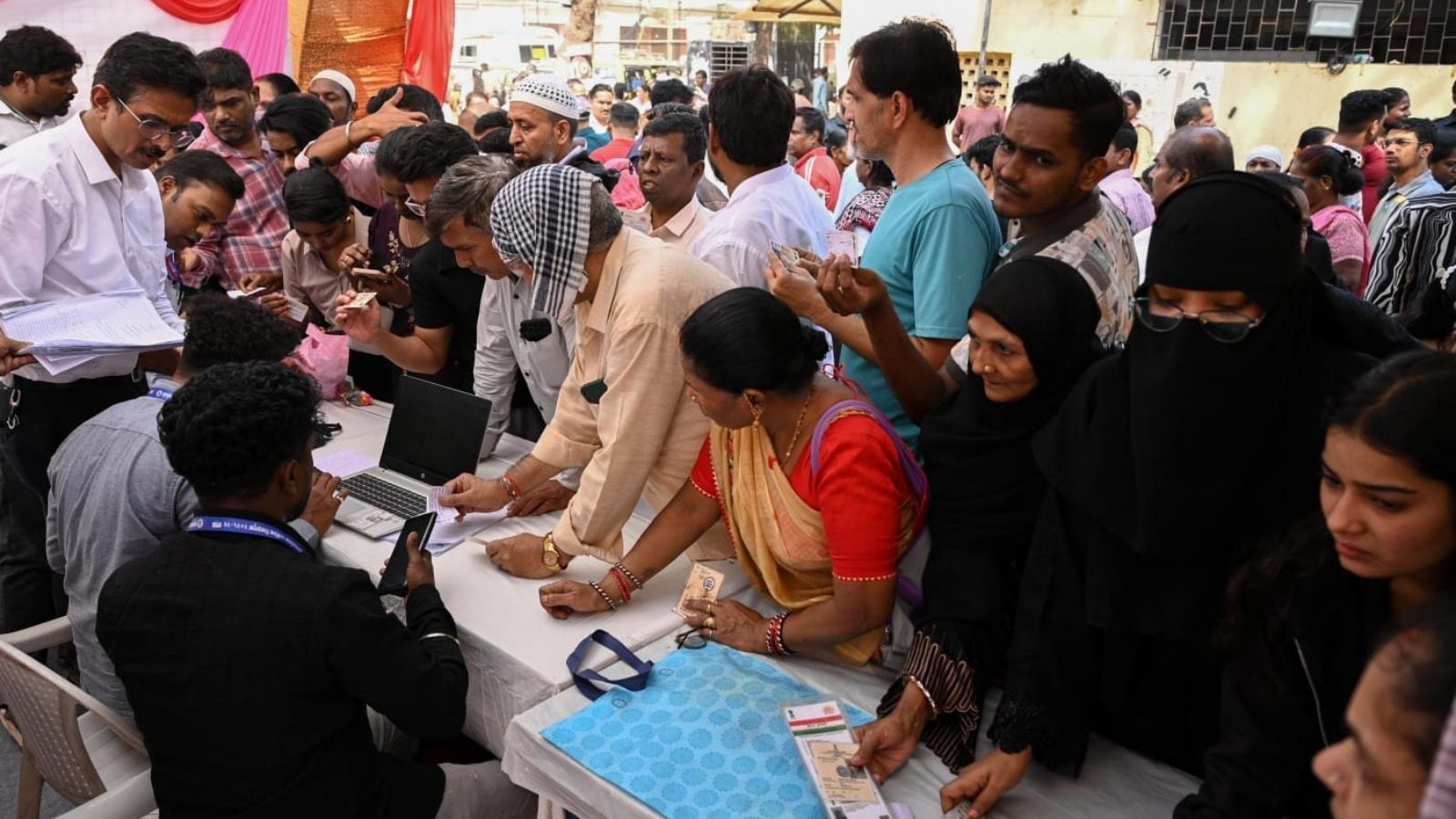
The author describes their experience voting in the Mumbai city elections.
They noticed that the voting process was smooth and orderly at their polling station, which was in a privileged area.
However, as soon as they stepped out, they were faced with the harsh reality of the city's poor infrastructure, pollution, and general neglect.
The author questions why more people don't do more than just vote to improve the city's conditions.
They mention that over 1 lakh voters chose NOTA, expressing their dissatisfaction.
Despite the challenges, the author believes that giving up is not the solution and that there are people working to make the city more livable.

The author had a smooth and orderly voting experience at a privileged polling station in Mumbai.
Outside the polling station, the city's poor infrastructure, pollution, and neglect were evident.
Over 1 lakh voters chose NOTA, expressing their dissatisfaction with the current state of the city.
Mumbai's budget is over Rs 74,000 crore, but the city's conditions do not reflect this wealth.
The author believes that giving up on improving the city is not the solution and that there are people working towards making it more livable.
- Who
- Citizens of Mumbai, including privileged and underprivileged residents
- What
- Brihanmumbai Municipal Corporation election and the contrasting experiences of voting and city conditions
- When
- During the election period
- Where
- Mumbai, India
- Why
- To participate in the democratic process and express dissatisfaction with city conditions
- Election Type
- Brihanmumbai Municipal Corporation election
- Privileged Voting Experience
- Neat, orderly, and peaceful at a Reserve Bank of India officials' residential colony
- General City Conditions
- Poor infrastructure, litter, uncollected garbage, and air pollution
- NOTA Votes
- Over 1 lakh voters chose NOTA, about 1.83% of votes cast
- Mumbai's Budget
- Over Rs 74,000 crore
- Citizen Initiatives
- Attempts to make the city more livable over the last four decades