

Archive · 9 Nov 2025
Pakistan PM Thanks Trump for Ceasefire, India Denies Third-Party Role
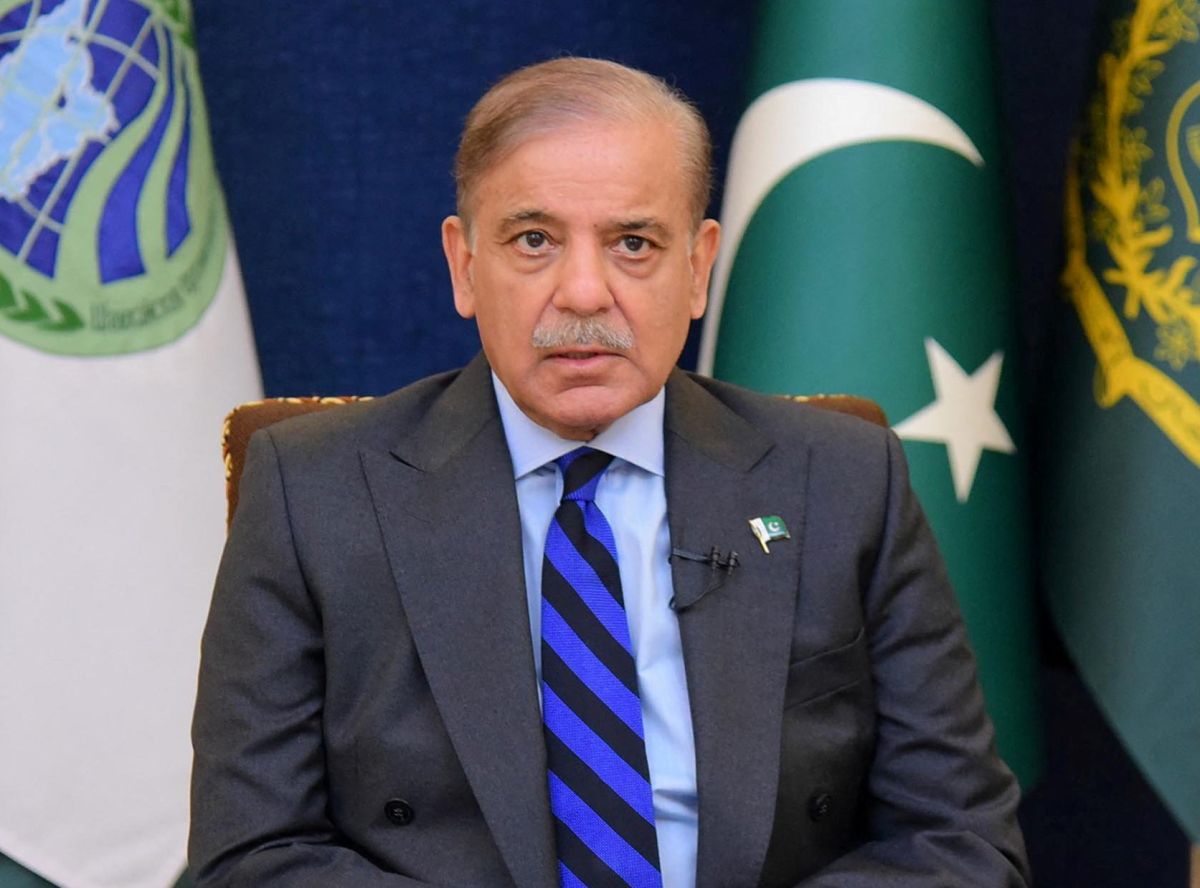
Pakistan's leader, Prime Minister Shehbaz Sharif, recently said that former US President Donald Trump was very helpful in stopping a big fight between India and Pakistan.
He thanked Mr. Trump for his leadership in making peace and preventing a war.
He said this while visiting Azerbaijan.
Mr. Trump has also said he helped solve the problem.
However, India disagrees.
They say that India and Pakistan made a deal by themselves on May 10 to stop the fighting.
India insists that no one from outside helped them solve their problem.
The fight happened after India launched an operation in retaliation for an attack that killed many people.
After days of fighting, both countries agreed to stop.

Pakistan Prime Minister Shehbaz Sharif again thanked former US President Donald Trump for his role in resolving the India-Pakistan conflict.
Sharif stated that Trump's 'bold and decisive leadership' led to a ceasefire, peace in South Asia, and averted a major war.
India maintains that an understanding was reached on May 10 to end the conflict, with no third-party involvement.
Donald Trump has repeatedly claimed he mediated the ceasefire between India and Pakistan after extensive talks.
India launched 'Operation Sindoor' on May 7 in retaliation for an earlier attack that killed 26 civilians, leading to four days of cross-border strikes before the ceasefire.
- Who
- Pakistan Prime Minister Shehbaz Sharif and former US President Donald Trump
- What
- Sharif publicly thanked Trump for his role in facilitating a ceasefire between India and Pakistan, a claim that India disputes, stating the resolution was bilateral without third-party involvement.
- When
- Ceasefire understanding reached on May 10; Sharif's remarks made on Saturday at Azerbaijan's Victory Day parade.
- Where
- South Asia (conflict region); Baku, Azerbaijan (location of Sharif's remarks).
- Why
- Sharif credits Trump's 'bold and decisive leadership' for averting a major war and restoring peace, while India maintains the ceasefire was an internally reached understanding to end cross-border strikes.
Pakistan's Stance
India's Stance
Role in Ceasefire and Conflict Resolution
Pakistan's Stance
Pakistan Prime Minister Shehbaz Sharif credits former US President Donald Trump's 'bold and decisive leadership' for bringing about a ceasefire, restoring peace in South Asia, and averting a major war between India and Pakistan. Sharif stated that the United States' efforts in maintaining regional stability were appreciated.
India's Stance
India maintains that an understanding was reached on May 10 to end the conflict after four days of cross-border strikes, asserting that no third party was involved in the process. Government sources indicate the ceasefire was achieved through direct engagement between Indian and Pakistani officials.
Mediation Claims
Pakistan's Stance
Pakistan continues to credit Washington, and Trump personally, for playing a central role in ending the hostilities, praising his 'constructive diplomacy' in facilitating communication between the two sides. Trump himself has claimed he 'helped settle' tensions after announcing a ceasefire on social media.
India's Stance
New Delhi has consistently denied any claim of third-party involvement in the resolution of the India-Pakistan conflict.
- Pakistan Prime Minister
- Shehbaz Sharif
- Former US President Praised
- Donald Trump
- Date of Ceasefire Understanding
- May 10
- India's Operation Launch
- Operation Sindoor on May 7
- Triggering Incident
- April 22 Pahalgam terror attack (killed 26 civilians)
- Location of Sharif's Remarks
- Baku, Azerbaijan
Sources
Sharif once again thanks Trump for averting Indo-Pak war

PM Sharif once again thanks US President Trump for resolving Indo-Pak conflict

Sharif again thanks Trump for averting 'major India-Pak war'

Pakistan PM Shehbaz Sharif thanks Donald Trump for ‘averting major war’ by resolving Indo-Pak conflict, once again
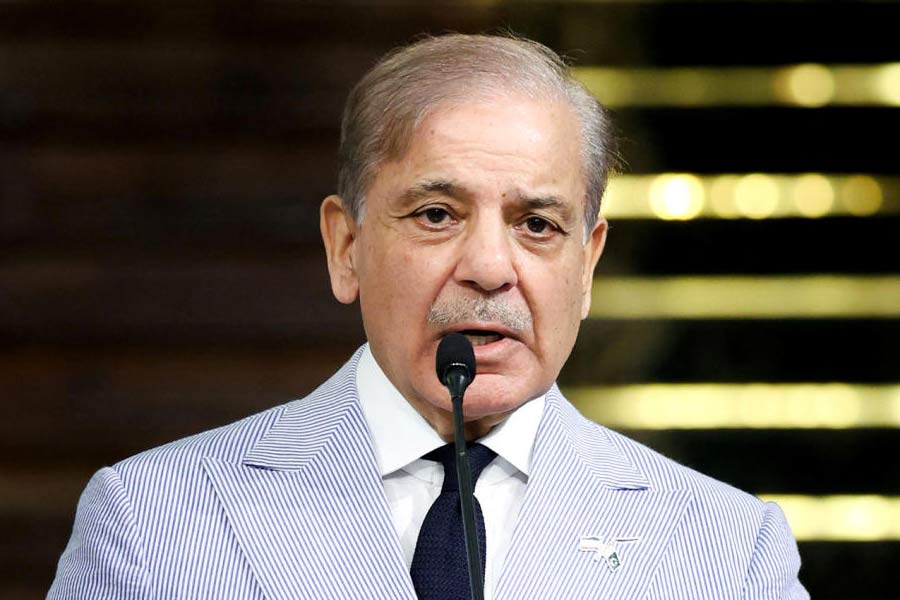
PM Shehbaz Sharif once again thanks US President Donald Trump for resolving Indo-Pak conflict
