1 hr ago
Election Chief Protests Expand Into Broader Citizens’ Movement
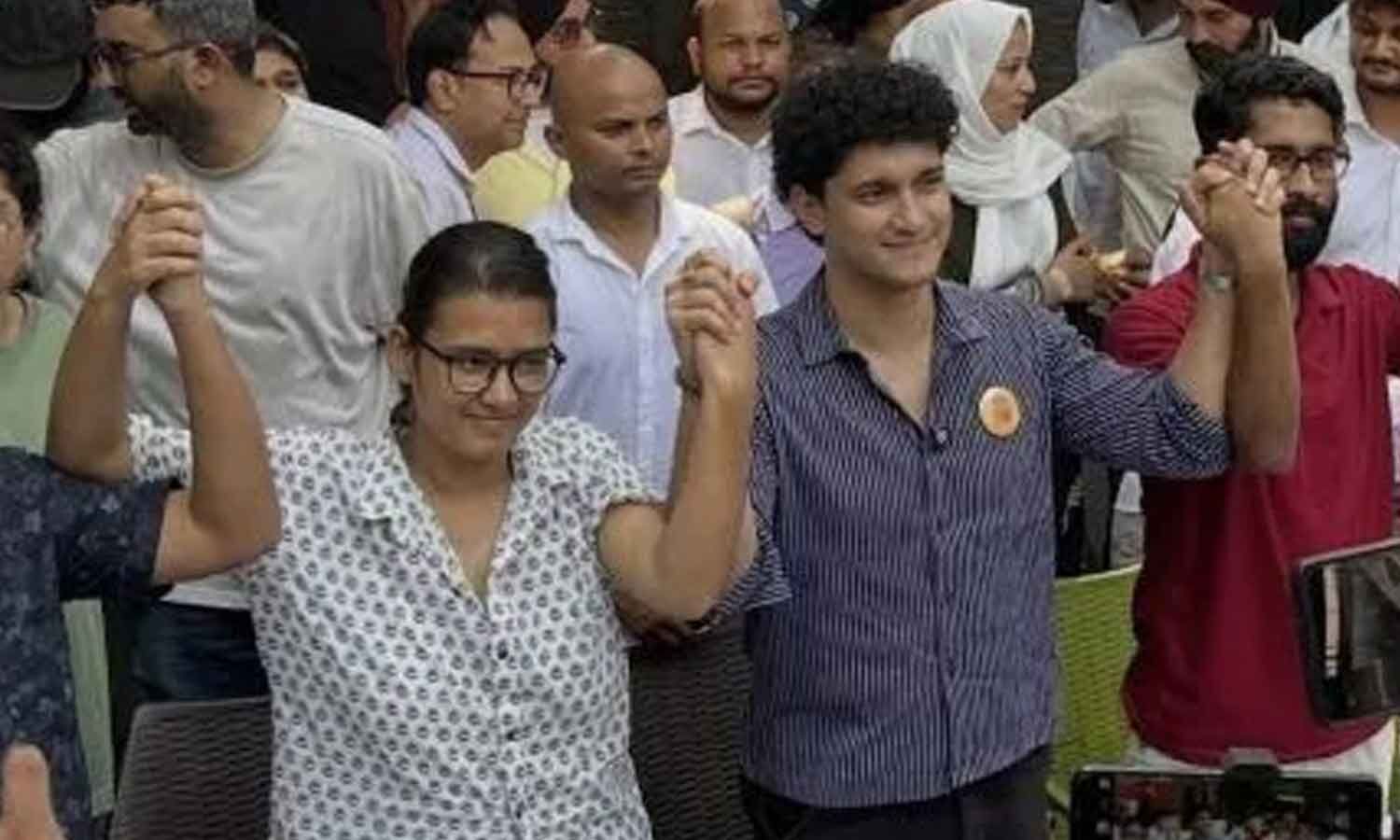
Neha Bora, a student group leader, said protests about India’s top election official are growing.
She said people want to discuss democracy, voter lists and the right to protest.
A citizens’ march was called for September 25.
Activists, lawyers and politicians joined, she said.
On October 2, people were also called to gather in Delhi and Mumbai.
Bora said the gatherings showed that many people are worried about how elections work.
She described voter disenfranchisement as an urgent concern.
These claims and descriptions were made by Bora.

AISA president Neha Bora said protests against Chief Election Commissioner Gyanesh Kumar had grown into a wider citizens’ movement.
Bora said protesters would keep raising questions about democracy, electoral rolls and the right to protest.
A citizens’ march was called for September 25, with activists, lawyers and elected representatives joining, according to Bora.
Protest calls followed on October 2 in Delhi’s Jantar Mantar and separately in Mumbai by the Cockroach Janata Party.
Bora described the Mumbai turnout as a message of urgency over the electoral process and alleged voter disenfranchisement.
- Who
- AISA national president Neha Bora and people participating in the protests.
- What
- Protests against Chief Election Commissioner Gyanesh Kumar, which Bora said had broadened into a citizens’ movement.
- Where
- Delhi, including Jantar Mantar, and Mumbai.
- When
- March calls were made for September 25 and October 2; the year is not stated.
- Why
- Participants sought to raise concerns about democracy, electoral rolls, the electoral process, alleged voter disenfranchisement and the right to protest.
Protesters’ concerns
Official response
Electoral process and voter disenfranchisement
Protesters’ concerns
Bora said the protests reflected urgent concerns about the electoral process and alleged voter disenfranchisement, calling them a threat to democracy.
Official response
The article provides no response from Gyanesh Kumar or election authorities.
Protest movement
Protesters’ concerns
Bora said the demonstrations had become a broader citizens’ movement and that people would continue to question democracy, electoral rolls and the right to protest.
Official response
The article does not present a counterview from officials or opponents of the protests.
Key facts
- Organization
- All India Students’ Association (AISA)
- Speaker
- AISA national president Neha Bora
- Official named
- Chief Election Commissioner Gyanesh Kumar
- September 25 call
- A citizens’ call for a march; the year is not stated
- October 2 gatherings
- A citizens’ call at Jantar Mantar in Delhi and a separate Cockroach Janata Party call in Mumbai
- People named as joining
- Yogendra Yadav, Anjali Bhardwaj, Manoj Jha and Mahua Moitra
Quotes
Neha Bora
National president of the All India Students’ Association
“The massive turnout in Mumbai on October 2 sends a clear message that if there is one urgent, the most urgent, issue at this point, it is the theft of democracy and the theft of votes.”
 thehansindia.com
Sources
Related news
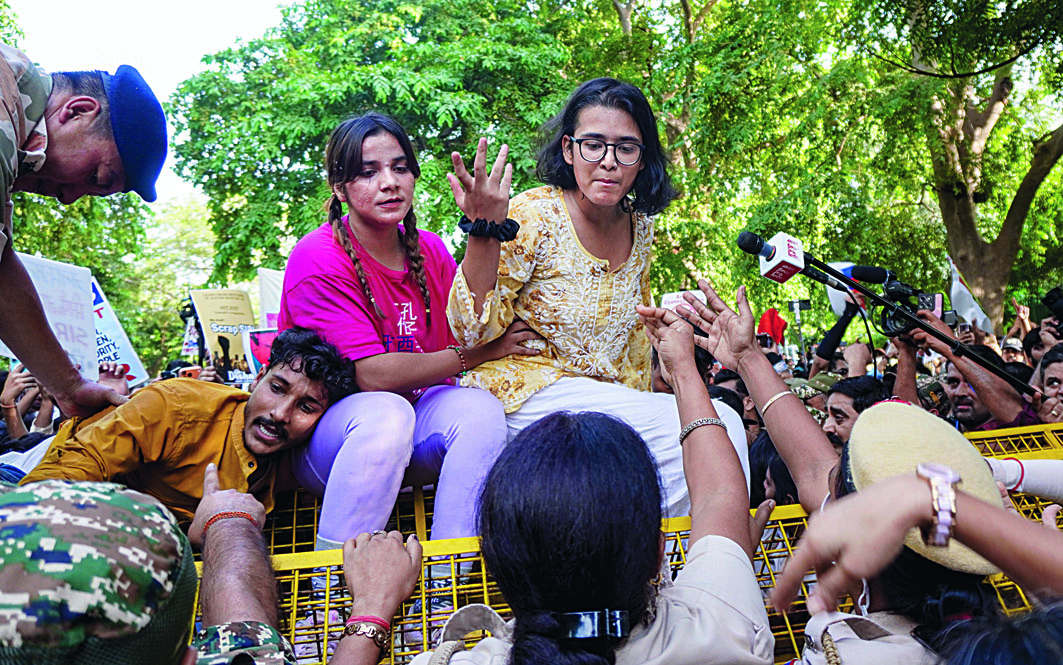
Protests Escalate as Demonstrators Demand Election Chief’s Resignation
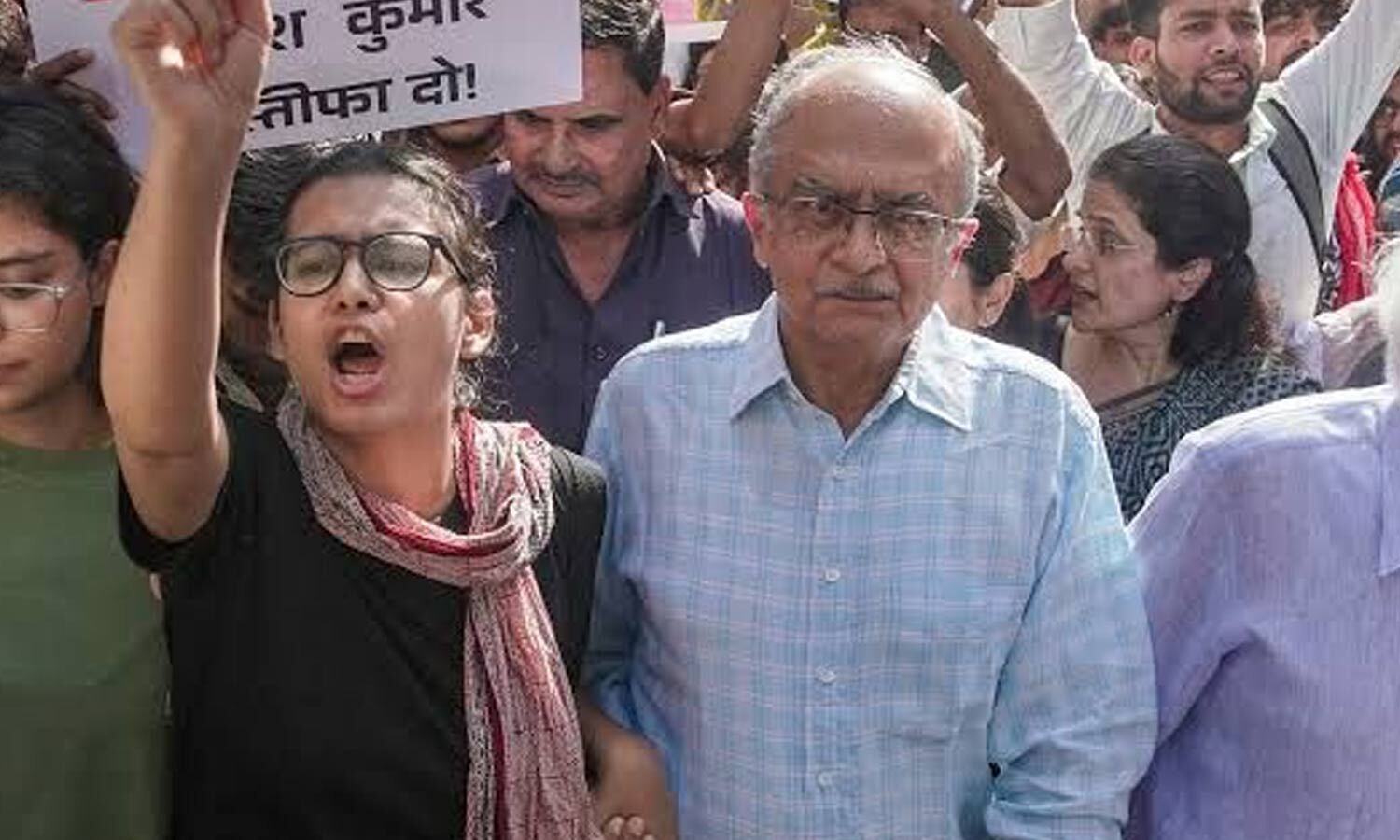
AISA Protesters Detained During Third-Day March Toward Jantar Mantar

Activists Announce Gandhi Jayanti Protest Over Election Commission Functioning
AAP Students' Wing Plans October 10 Protest Against Election Chief
AISA Leader Urges Unity Against BJP Over Voter Roll Deletions
Student Leaders Detained In Protest Demanding Gyanesh Kumar’s Arrest
Justice Bhuyan Says Mass Disenfranchisement Negates Constitutional Order
Calcutta High Court Extends Mahua Moitra Security Protection
Mamata Demands Gyanesh Kumar’s Resignation, Cites Bengal Poll Violence

Supreme Court Seeks Bengal Response on Mahua Moitra Protection Plea