

Archive · 19 Jan 2026
Sudden Heart Racing During Workouts: Understanding SVT
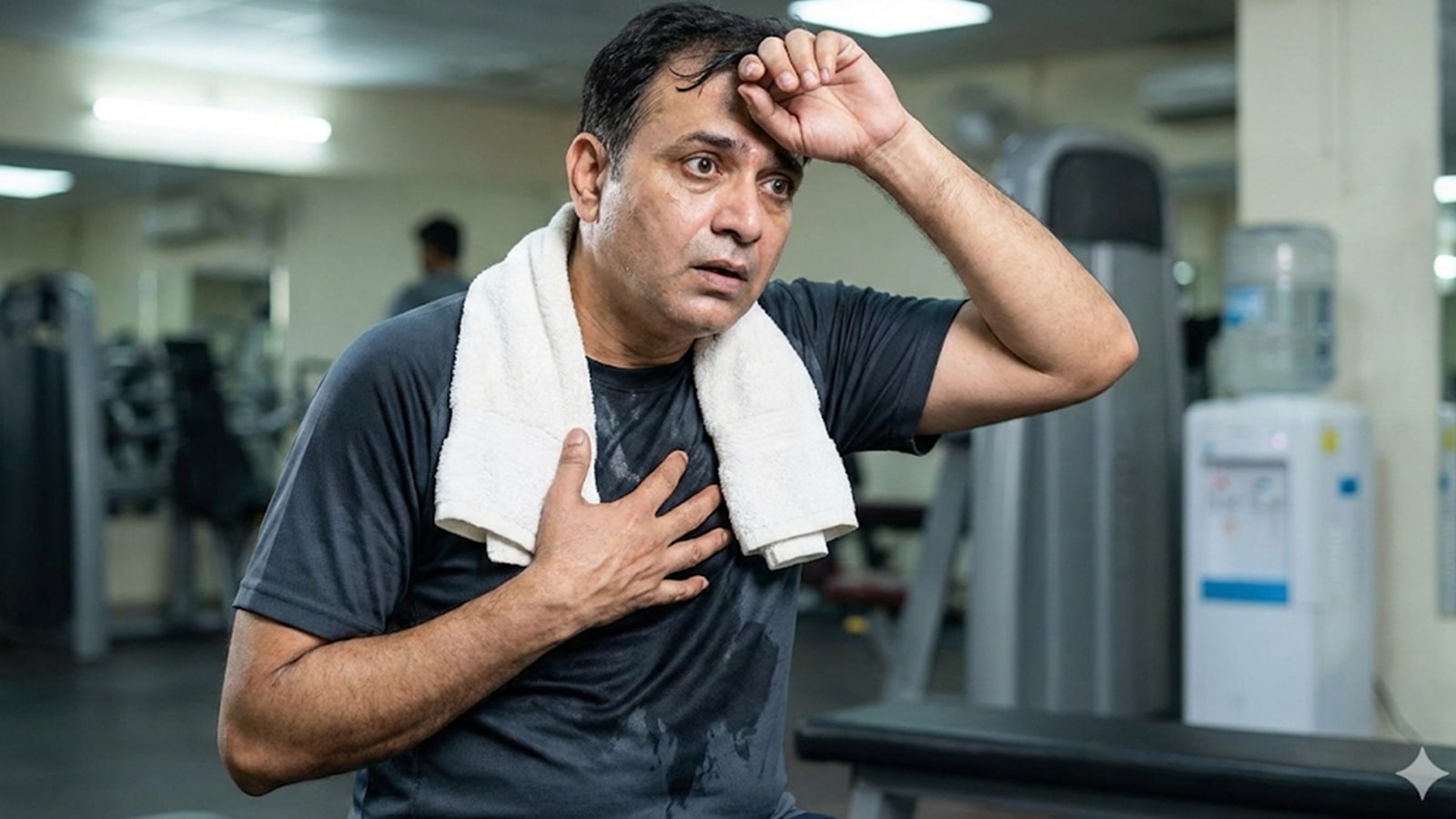
Sometimes, your heart can suddenly start beating very fast, even when you're exercising or just going about your day.
This is called Supraventricular Tachycardia, or SVT.
It happens because there's a kind of electrical short circuit in your heart that makes it beat too quickly, often more than 170 times a minute.
Things like stress, not drinking enough water, not sleeping well, or having too much caffeine can trigger it.
If this happens, the best thing to do is stop what you're doing, rest, and try to stay calm.
Sometimes, certain tricks like taking deep breaths or splashing cold water on your face can help your heart go back to normal.
Doctors can check for SVT with tests like an ECG or a special monitor that tracks your heart over time.
Things like drinking too much coffee, not sleeping enough, or not having enough important minerals in your body can make SVT more likely.
If you think you might have SVT, it's a good idea to talk to a doctor.

Supraventricular Tachycardia (SVT) causes the heart to suddenly beat very fast, often 170 beats per minute or higher, due to an electrical short circuit in the upper chambers.
Common triggers for SVT include exercise, stress, dehydration, lack of sleep, and stimulants like caffeine.
Immediate steps to manage an SVT episode include stopping, resting, staying calm, and using vagal maneuvers like deep breathing or splashing cold water on the face.
SVT symptoms may include dizziness, chest discomfort, shortness of breath, and a feeling of fluttering in the chest, which are less common with a normal fast heart rate.
Diagnostic tools for SVT include ECG, Holter monitor, event recorder, blood tests, echocardiogram, and electrophysiology study.
- Who
- Individuals experiencing sudden heart racing during workouts or normal activities
- What
- Supraventricular Tachycardia (SVT), a condition where the heart suddenly beats very fast due to an electrical short circuit in the upper chambers
- When
- During exercise, stress, or other triggering activities
- Where
- Anywhere, often unexpectedly during a run or workout
- Why
- Due to an electrical short circuit in the upper chambers of the heart, causing rapid, abnormal heartbeats
- Condition
- Supraventricular Tachycardia (SVT)
- Heart Rate During SVT
- 170 beats per minute or higher
- Common Triggers
- Exercise, stress, dehydration, lack of sleep, stimulants (e.g., caffeine)
- Immediate Steps to Take
- Stop, rest, stay calm, use vagal maneuvers
- Symptoms of SVT
- Dizziness, chest discomfort, shortness of breath, chest fluttering
- Diagnostic Tools
- ECG, Holter monitor, event recorder, blood tests, echocardiogram, electrophysiology study
- Risk Factors
- Excessive caffeine, poor sleep, dehydration, electrolyte imbalance, alcohol, smoking, high emotional stress