

Archive · 21 Jul 2026
Dengue Alert in Noida: Prevention Efforts Intensify
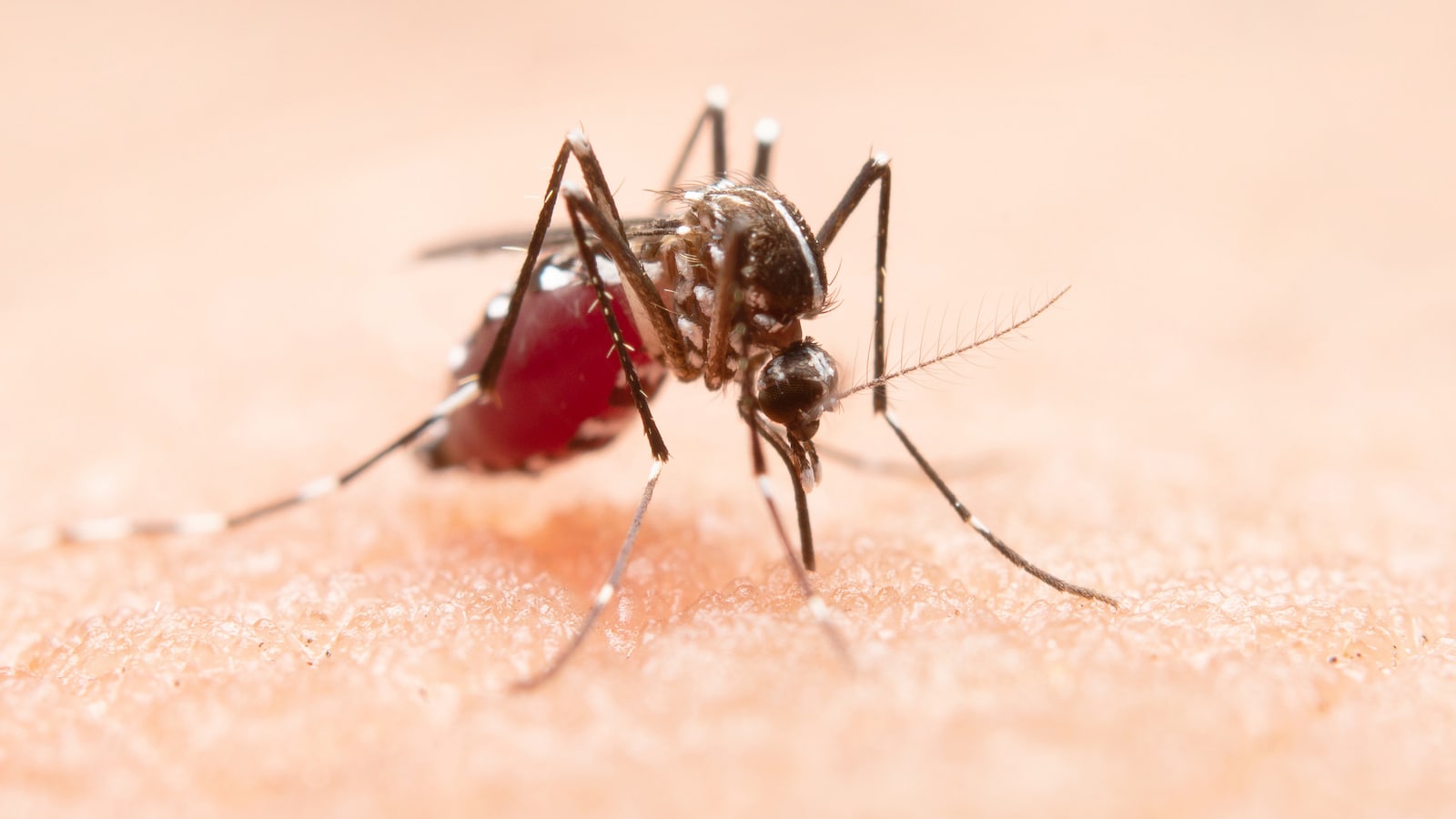
Dengue is a disease spread by mosquitoes that breed in clean, stagnant water.
In Noida, health officials have found many places where these mosquitoes can breed, like water coolers and flowerpot trays.
They have identified areas with high risk and are working hard to prevent dengue from spreading.
This includes cleaning up stagnant water, using fogging machines to kill mosquitoes, and teaching people how to protect themselves.
Children are especially at risk because mosquitoes bite during the day when kids are playing outside.
Parents should watch for symptoms like high fever, severe headache, and vomiting.
Preventing dengue is important, and everyone needs to work together to keep their homes and neighborhoods clean and safe.

The Gautam Budh Nagar health department has identified dengue hotspots in Noida and intensified prevention efforts.
21 dengue cases have been reported, with high-risk areas including Barola, Surajpur, Kasna, and Sector 50.
Authorities are conducting surveillance, fogging, and awareness campaigns, with 650+ ASHA workers deployed.
Prevention tips include emptying, scrubbing, and drying water containers weekly to eliminate mosquito breeding sites.
Children are particularly vulnerable, and parents should use mosquito repellents, light-coloured clothing, and mosquito screens for protection.
- Who
- Residents of Noida, especially children, and health authorities
- What
- Dengue outbreak prevention efforts and awareness campaigns
- When
- During the monsoon season
- Where
- Noida, particularly in Barola, Surajpur, Kasna, and Sector 50
- Why
- To prevent the spread of dengue and other vector-borne diseases due to ideal breeding conditions created by monsoon rains
Community and Government Efforts
Individual Responsibility
Prevention Strategies
Community and Government Efforts
The government and community efforts include surveillance, fogging, and awareness campaigns to prevent dengue outbreaks.
Individual Responsibility
Individuals must take responsibility for eliminating stagnant water and protecting themselves from mosquito bites.
- Dengue Cases Reported
- 21
- High-Risk Areas
- Barola, Surajpur, Kasna, Sector 50
- ASHA Workers Deployed
- 650+
- Common Breeding Sites
- Water coolers, flowerpot trays, buckets, drums, overhead water tanks, discarded tyres, coconut shells, construction sites, disposable cups and containers
- Prevention Tip
- Empty, scrub, and dry water containers weekly
- Child Protection Measures
- Mosquito repellents, light-coloured clothing, preventing water collection, using mosquito screens and nets
- Critical Symptoms
- Persistent vomiting, severe abdominal pain, bleeding, reduced urination, excessive sleepiness, difficulty breathing, refusal to drink fluids