

Archive · 2 Aug 2025
Bachata's Rise: From Dominican Roots to Global Music Sensation
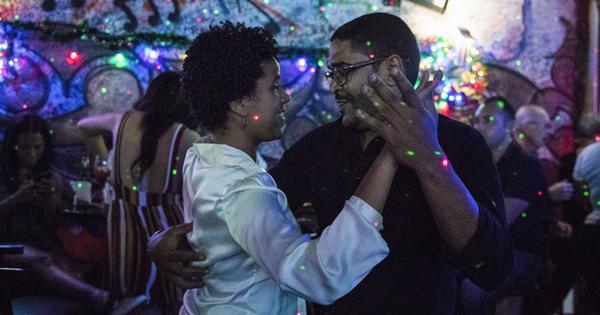
Imagine a music style called bachata that started in the Dominican Republic, a place in the Caribbean.
It was the music of people who didn't have much, singing about love, sadness, and their everyday lives.
At first, people didn't like it much.
But over time, bachata got better known thanks to famous artists, even spreading to other countries.
Now, it's popular all over the world, with people dancing and celebrating it.
Bachata shows how music can come from humble beginnings and become a global sensation, enjoyed by many different communities.

Bachata music originated in the Dominican Republic in the 1960s among the poor and Black communities.
Initially associated with brothels and the working class, bachata's lyrics often focused on heartbreak and social struggles.
The genre gained mainstream acceptance in the 1990s, boosted by Juan Luis Guerra's global success.
Bachata has since evolved, with new styles like bachata sensual emerging, and is now a global phenomenon.
Bachata has been added to UNESCO's Representative List of the Intangible Cultural Heritage of Humanity in 2019.
- Who
- Developed among poor and Black Dominicans; now embraced by diverse communities.
- What
- Bachata, a musical genre originating in the Dominican Republic.
- When
- It emerged in the 1960s and gained global popularity in the 1990s and onward.
- Where
- Originated in the Dominican Republic; now popular worldwide, including the U.S., Spain, and other countries.
- Why
- Initially served as a soundtrack to the hardships of working-class Dominicans and evolved to reflect migration and cultural exchange.
- Origin
- Dominican Republic
- Initial Association
- Lower class and Black Dominicans
- First Recording
- 1962
- Key Artists
- Juan Luis Guerra, Aventura, Romeo Santos
- International Recognition
- UNESCO Intangible Cultural Heritage (2019)
- Lyric Themes
- Heartbreak, social issues, resilience