

Archive · 5 Jan 2026
Drones Detect Deadly Virus in Arctic Whales
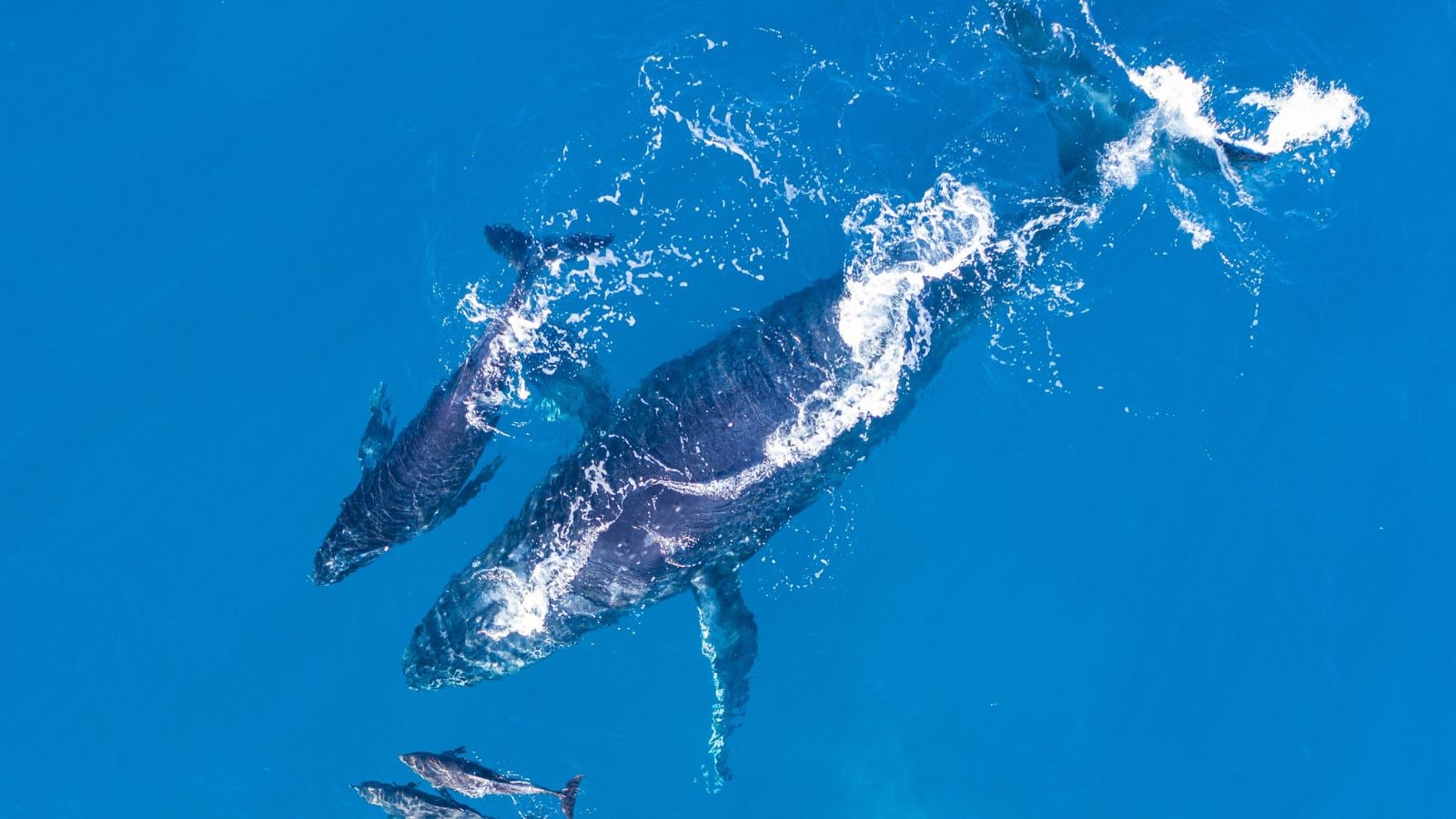
Scientists used drones to collect samples from whale blow in the Arctic.
They found a deadly virus called cetacean morbillivirus, which had not been seen in the Arctic before.
This virus can make whales, dolphins, and other sea animals very sick.
The scientists also tested for other diseases like bird flu and brucella, but they didn't find those.
Using drones is a new and less harmful way to study whales.
This research helps scientists understand how diseases spread among whales and could protect both the whales and people who interact with them.

Scientists used drones to collect samples from whale blow in the Arctic and detected cetacean morbillivirus, a highly infectious and deadly virus.
The virus had not been previously reported in the Arctic Circle, suggesting potential gaps in surveillance.
Samples were collected from humpback, sperm, and fin whales in northern Norway, Iceland, and Cape Verde between 2016 and 2025.
Drones offer a less invasive sampling method compared to traditional skin biopsies.
The study also tested for bird flu, herpesvirus, and brucella, but only cetacean morbillivirus was detected.
- Who
- Scientists led by Helena Costa from Nord University
- What
- Detected cetacean morbillivirus in Arctic whales using drones
- When
- Study conducted between 2016 and 2025, findings published in December 2023
- Where
- Arctic Circle, including northern Norway, Iceland, and Cape Verde
- Why
- To monitor disease transmission and assess potential risks to both marine mammals and humans
- Virus Detected
- Cetacean morbillivirus
- Study Location
- Arctic Circle, including northern Norway, Iceland, and Cape Verde
- Sampling Method
- Drones collecting whale blow samples
- Study Period
- 2016 to 2025
- Whale Species Sampled
- Humpback, sperm, and fin whales
- Other Pathogens Tested
- H5N1 (bird flu), herpesvirus, and brucella
- Lead Researcher
- Helena Costa, Nord University