Archive · 1 Jan 2026
SHANTI Act: Major Nuclear Reform in India
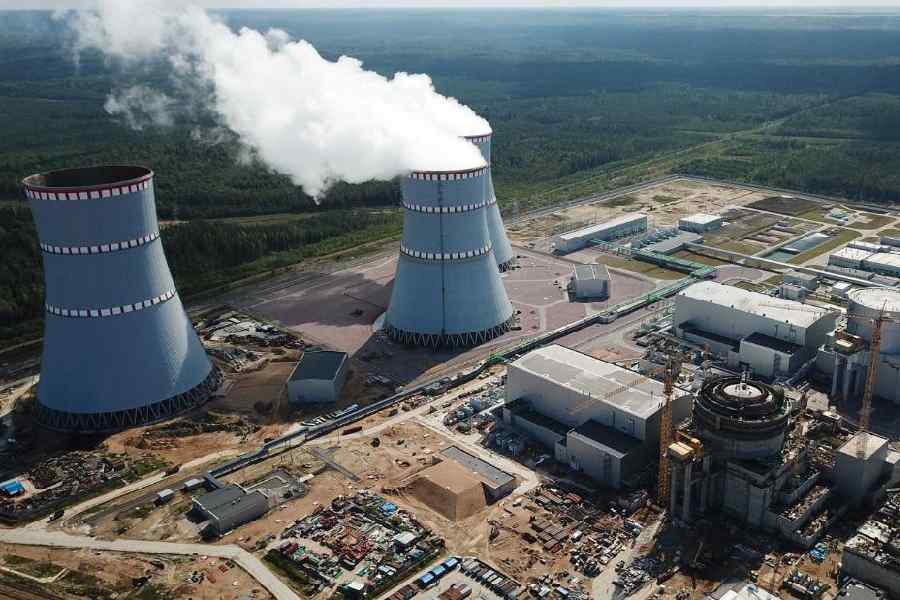
The SHANTI Act is a big change in India's nuclear power rules.
It lets private companies get involved, which could help India use more clean energy.
The government wants to increase nuclear power a lot by 2047.
The new rules also have ways to solve problems and decide who is responsible if something goes wrong.
But some people worry that private companies might not invest because nuclear projects are very expensive and take a long time to make money.
The government also needs to make sure that India's own small reactors are ready on time, so the country doesn't have to rely too much on foreign technology.
Overall, the SHANTI Act is a important step, but there are still challenges to make it successful.

The SHANTI Act is the most significant reform in India's nuclear sector since 1962, allowing private participation.
India aims to increase nuclear capacity to 100 gigawatts by 2047 to meet climate targets and ensure energy security.
The Act introduces a four-tier dispute resolution mechanism and sets a Rs 3,000 crore liability threshold for operators.
Concerns remain about private investment due to high costs, long payback periods, and the need for government guarantees.
India plans to commission indigenous small modular reactors (SMRs) by 2033, but delays in past projects raise concerns about timelines.
- Who
- Indian government and private investors
- What
- Passage of the SHANTI Act to reform India's nuclear sector
- When
- Recent (exact date not specified)
- Where
- India
- Why
- To meet climate targets, ensure energy security, and encourage private investment in nuclear power
- Act Name
- Sustainable Harnessing and Advancement of Nuclear Energy for Transforming India Act (SHANTI Act)
- Primary Objective
- Encourage private participation in India's nuclear sector
- Dispute Resolution
- Four-tier mechanism with 60-day timelines
- Liability Threshold
- Rs 3,000 crore for operator liability
- Government Target
- 100 gigawatts of nuclear capacity by 2047
- Current Capacity
- Approximately 8 gigawatts
- Net-Zero Commitment
- 2070
- Indigenous SMRs
- Expected commissioning by 2033