

Archive · 2 Jan 2026
AI Reshaping Engineering Education and Assessment
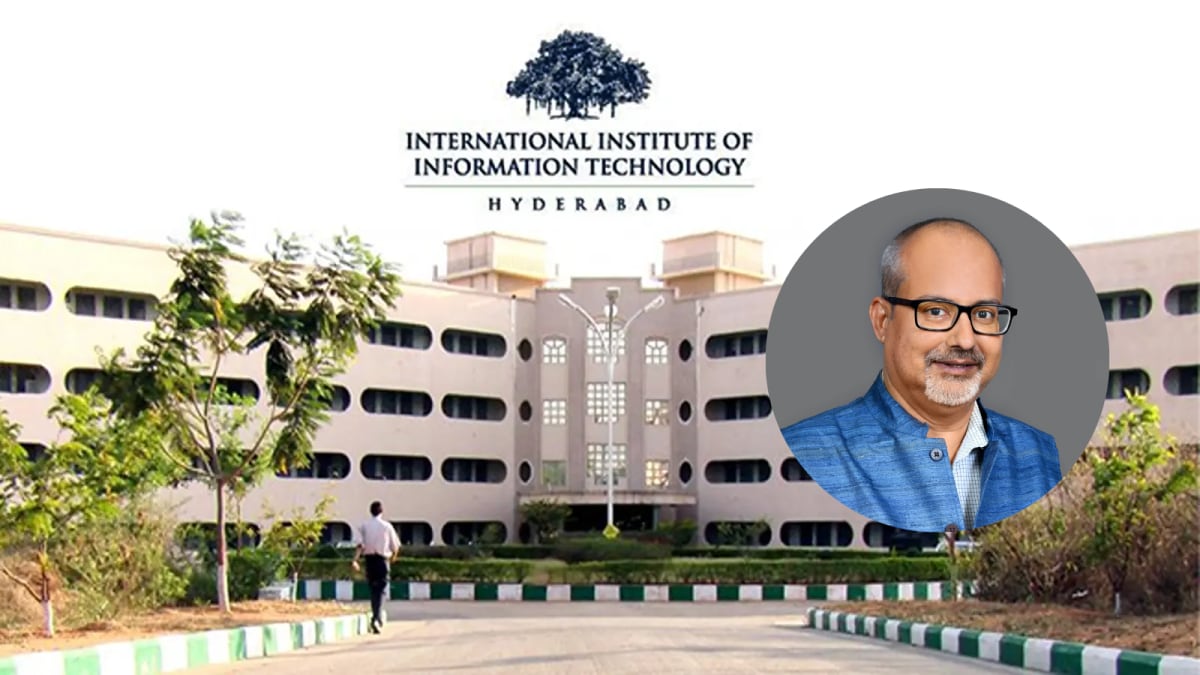
Prof. Sandeep K. Shukla, the Director of IIIT Hyderabad, talks about how artificial intelligence is changing the way engineering students learn and are tested.
He says that because AI can easily do things like writing code or essays, schools need to focus more on making sure students really understand the concepts and can use them in real life.
IIIT Hyderabad is also doing important work in cybersecurity through a new center called Vyuha Labs.
This lab helps fight cybercrime by studying how criminals operate and creating tools to help law enforcement.
The school also works closely with industries to make sure their teaching and research are useful in the real world.
Prof. Shukla believes that students need to be able to keep learning new things and adapt to changes in technology to be successful.

AI is pushing engineering education to focus on conceptual understanding over rote learning.
IIIT Hyderabad's Vyuha Labs is working on cybersecurity initiatives like the Cybercrime Navigator.
The institute integrates research directly into teaching, with students involved in research from their second year.
Prof. Shukla emphasizes the importance of adaptability, continuous learning, and communication skills for students.
Industry partnerships are crucial for aligning curriculum and research with real-world needs.
- Who
- Prof. Sandeep K. Shukla, Director of IIIT Hyderabad
- What
- AI is transforming engineering education and assessment
- When
- January 02, 2026
- Where
- IIIT Hyderabad
- Why
- To adapt to the rapidly changing technological landscape and prepare students for future challenges
- Director
- Prof. Sandeep K. Shukla
- Institution
- IIIT Hyderabad
- Key Initiative
- Vyuha Labs
- Focus Areas
- Cybersecurity, Cybercrime Navigator, Digital Forensics
- Curriculum Approach
- Research-driven, Experiential Learning
- Student Skills Emphasis
- Continuous Learning, Adaptability, Communication
- Industry Partnership Importance
- Critical for Curriculum and Research Relevance