Archive · 5 Oct 2026
Two Great Indian Bustards Released as Scientists Warn of Wider Threats
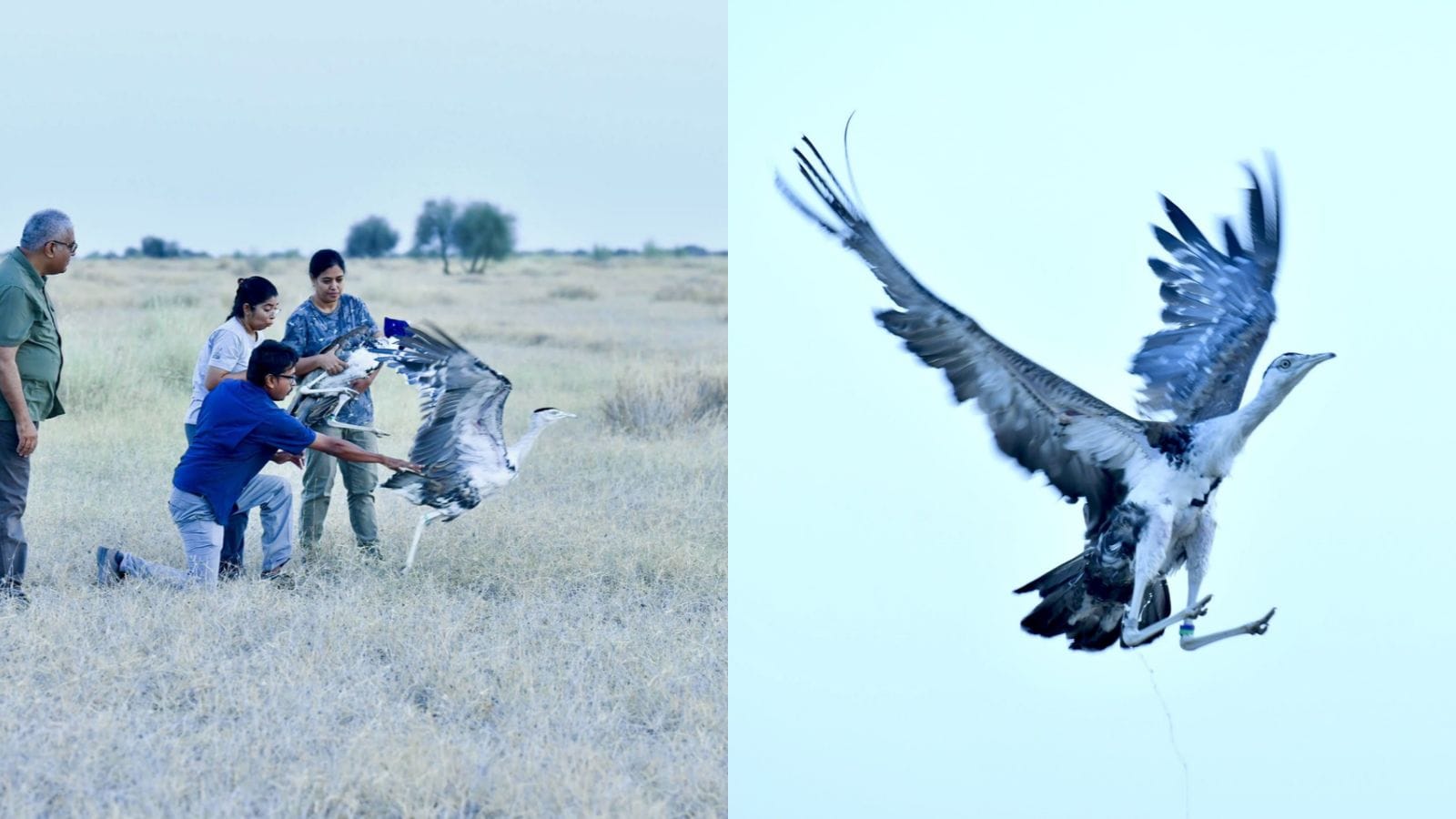
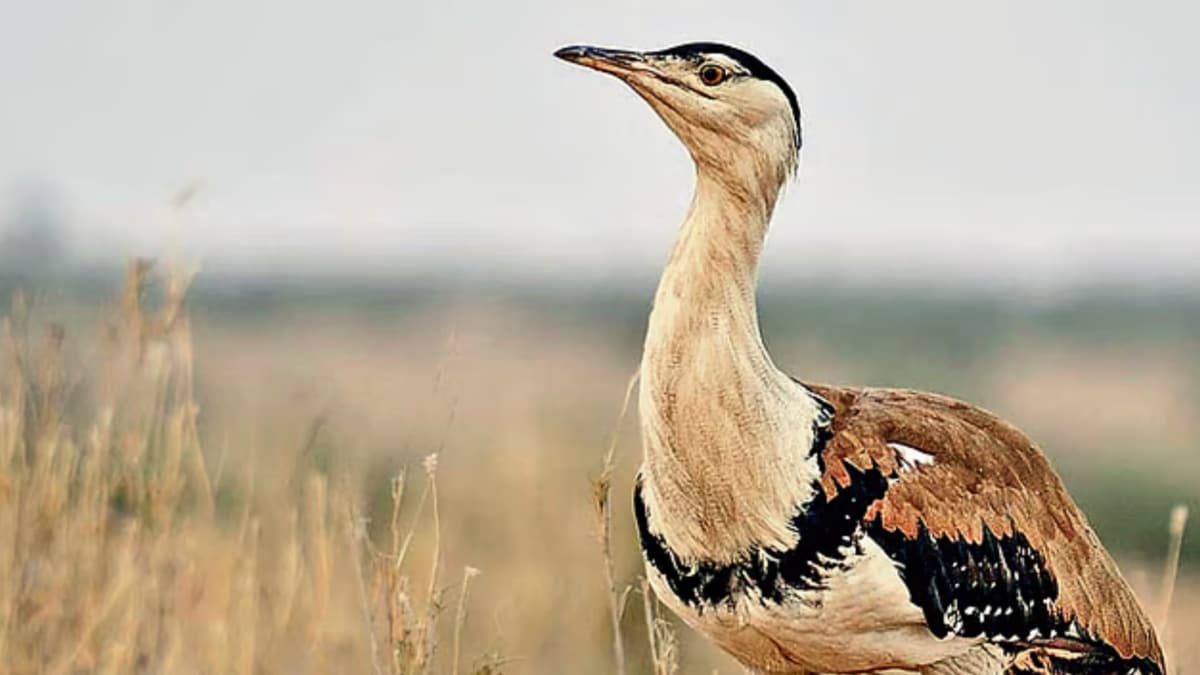
Two Great Indian Bustards raised with help from people have been released in Rajasthan.
These birds are very rare, and fewer than 150 are believed to live in the wild.
The release is an important step, but the birds still need to find food and water and live safely.
A new study also warns that many kinds of birds in India face serious dangers.
Their homes are being changed or lost, and some are harmed by pollution, hunting and power lines.
The study says at least 10 Great Indian Bustards have died after hitting power lines since 2017.
Scientists also warn that climate change may shift where many Indian birds can live.
They say better long-term information is needed to understand the full scale of the problem.

Two captive-bred Great Indian Bustards were released at Desert National Park in Rajasthan, the first major release under India’s breeding programme.
The species has fewer than 150 birds believed to remain in the wild, and scientists say released birds must survive and reproduce to rebuild the population.
The programme is run by the Ministry of Environment, Forest and Climate Change, the Rajasthan Forest Department and the Wildlife Institute of India.
A bird-threat review reports that at least 10 Great Indian Bustards have died in power-line collisions since 2017.
The review cites habitat loss, pollution, hunting, climate change and energy infrastructure as pressures on Indian birds, while noting gaps in long-term data.
- Who
- Two captive-bred Great Indian Bustards were released; scientists and conservationists are monitoring the species and wider bird threats.
- What
- The birds were released into the wild as part of a conservation breeding programme, while a study warned of pressures on Indian birdlife.
- When
- The release was reported on October 5, 2026; the bird-threat review was published that week.
- Where
- Desert National Park, Sam, Jaisalmer, Rajasthan, India.
- Why
- The release aims to help rebuild the Great Indian Bustard population; the study highlights threats to birds and their habitats.
Conservation progress
Ongoing risks
Bustard release
Conservation progress
The release of two captive-bred birds is presented as a landmark step and a source of hope for rebuilding the species.
Ongoing risks
Scientists caution that breeding is only the first step; the birds must survive, adapt and eventually reproduce in the wild.
Development and biodiversity
Conservation progress
The conservation programme is working to prepare captive-bred birds for release and support recovery.
Ongoing risks
The review warns that development, infrastructure expansion and habitat loss intensify pressure on birds, and says these pressures must be addressed alongside conservation.
- Wild Great Indian Bustards
- Fewer than 150 are believed to remain.
- Release
- Two captive-bred birds; described as the first major release under the programme.
- Programme partners
- Ministry of Environment, Forest and Climate Change, Rajasthan Forest Department and Wildlife Institute of India.
- Captive population
- The first article reports 98 birds by June 2026; the second reports 97 housed at Sam and Ramdevra.
- Power-line deaths
- The review says at least 10 Great Indian Bustards have been killed in power-line collisions since 2017.
- Breeding figures
- The second article reports 24 live chicks in 2025 and 29 in 2026; 11 birds were selected for eventual release.
- Climate-change estimate
- The review says nearly 70% of Indian bird species may shift northward or to higher elevations as temperatures rise.
- Vulture decline
- The review says several vulture species declined by over 97% after exposure to diclofenac-contaminated livestock carcasses.