Archive · 11 Sep 2026
India’s Supreme Court Pushes Front-of-Pack Food Warning Labels

India’s Supreme Court is discussing warning labels on the front of packaged food.
The labels would help people see when food contains too much salt, sugar or fat.
The court said it is especially worried about growing children’s health.
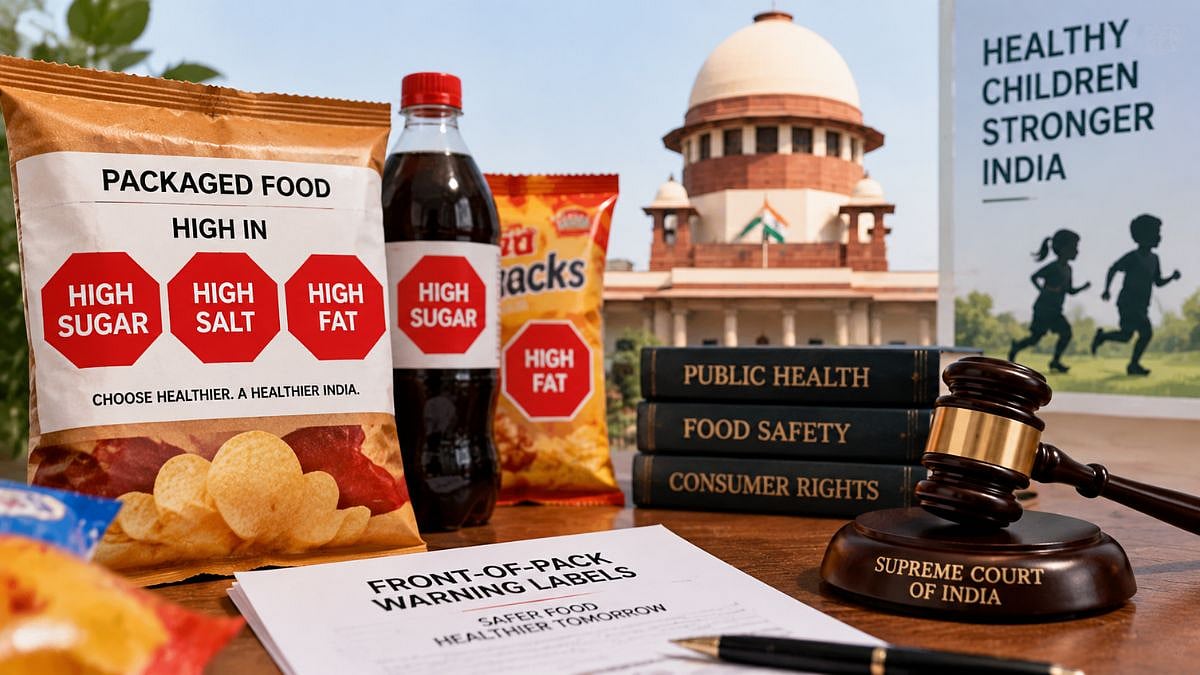
India’s food safety authority proposed red hexagons with warnings such as “High Sugar” or “High Salt.”
At first, the labels would apply to foods high in at least two listed nutrients.
Later, they could apply to foods high in just one.
A lawyer said ultra-processed foods may need stronger warnings and possibly a different color.
The court has not announced the final labeling rules and will hear the matter again on September 28.

The Supreme Court expressed concern about public health, especially the health of growing children, and urged food-safety stakeholders to act in the national interest.
The court is considering prominent front-of-pack warnings for packaged foods high in added fat, sugar and salt.
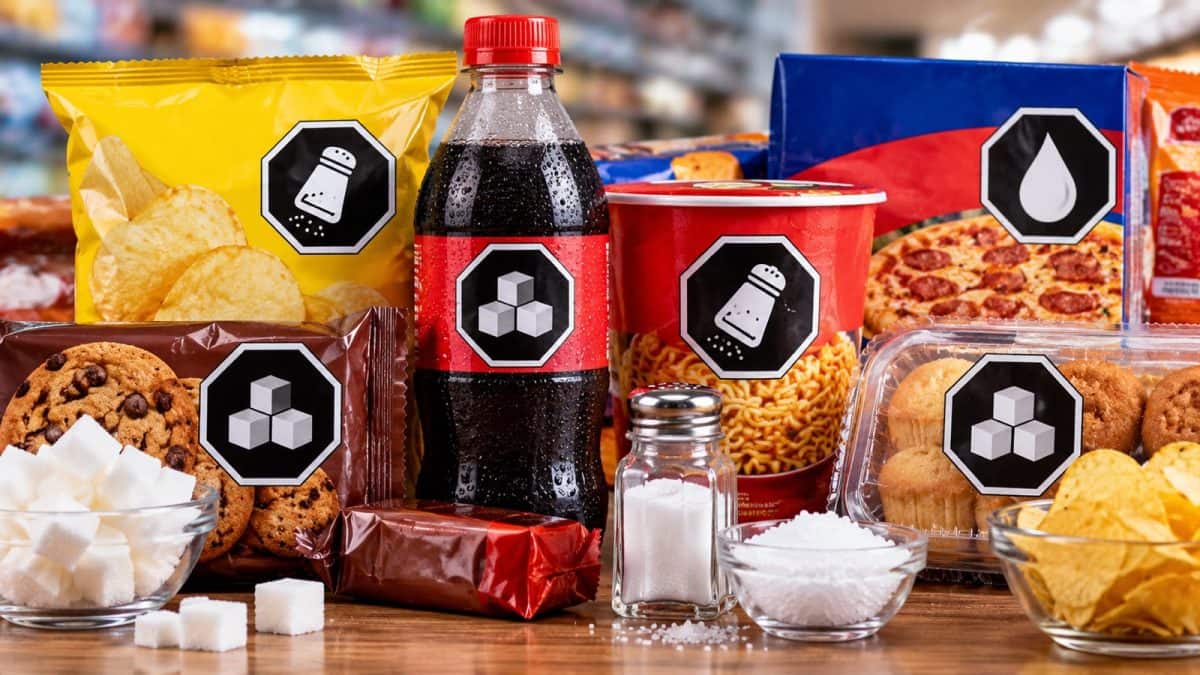
The Food Safety and Standards Authority of India proposed red hexagonal labels saying “High Fat,” “High Sugar,” “High Salt” or “Highly Sweetened Beverage.”
FSSAI proposed introducing the warnings in phases, initially covering products high in at least two specified nutrients and later expanding to products high in any one.
The court recorded a suggestion to use a color other than red for ultra-processed foods and scheduled the next hearing for September 28.
- Who
- The Supreme Court of India, the Food Safety and Standards Authority of India, the public charitable trust 3S and Our Health Society, and lawyers representing the parties.
- What
- The court is considering mandatory front-of-pack warning labels for packaged foods high in added fat, sugar and salt.
- When
- The issue was discussed on September 10, 2026; the court scheduled the next hearing for September 28 and had previously addressed it on August 13.
- Where
- Before the Supreme Court of India in New Delhi.
- Why
- The court said clearer warnings could improve consumer awareness and protect public health, particularly the health of growing children.
Stronger, Prominent Warnings
Phased Implementation
Speed and scope of labeling
Stronger, Prominent Warnings
The Supreme Court and the petitioner support mandatory, prominent front-of-pack warnings to help consumers quickly identify products high in concerning nutrients.
Phased Implementation
FSSAI proposed a phased system to facilitate consumer acceptance and give the food industry time for reformulation.
Treatment of ultra-processed foods
Stronger, Prominent Warnings
An intervenor argued that ultra-processed products such as Kurkure should receive a stronger warning rather than being placed on the same level as foods such as eggs and salted cashews.
Phased Implementation
FSSAI’s proposal classifies products initially according to whether they are high in at least two specified nutrients, with products high in one nutrient covered later.
Warning-label color
Stronger, Prominent Warnings
FSSAI proposed red hexagonal warnings because they would be prominent and easy to understand.
Phased Implementation
An intervenor suggested using another color for ultra-processed foods because red and green are associated with non-vegetarian and vegetarian labeling in India.
- Proposed label
- A prominent red-colored hexagonal warning on the front of qualifying food packages.
- Possible warnings
- “High Fat,” “High Sugar,” “High Salt” and/or “Highly Sweetened Beverage.”
- Nutrient thresholds
- Based on the Dietary Guidelines for Indians, 2024, issued by ICMR-NIN.
- Phase I
- Products high in at least two specified nutrients, including added fat, added sugar and salt, plus specified sweetened beverages.
- Phase II
- Products high in any one of the specified nutrients.
- Existing information
- FSSAI said nutrient content is shown on the rear of packages per 100 grams and per serving.
- Next hearing
- September 28.
- Current status
- The court indicated it would seek stakeholder information and issue a detailed order; the articles do not establish that final labeling rules have been ordered.