Archive · 4 Sep 2026
Sydney Reports First H5N1 Case, Authorities Urge Bird Flu Precautions
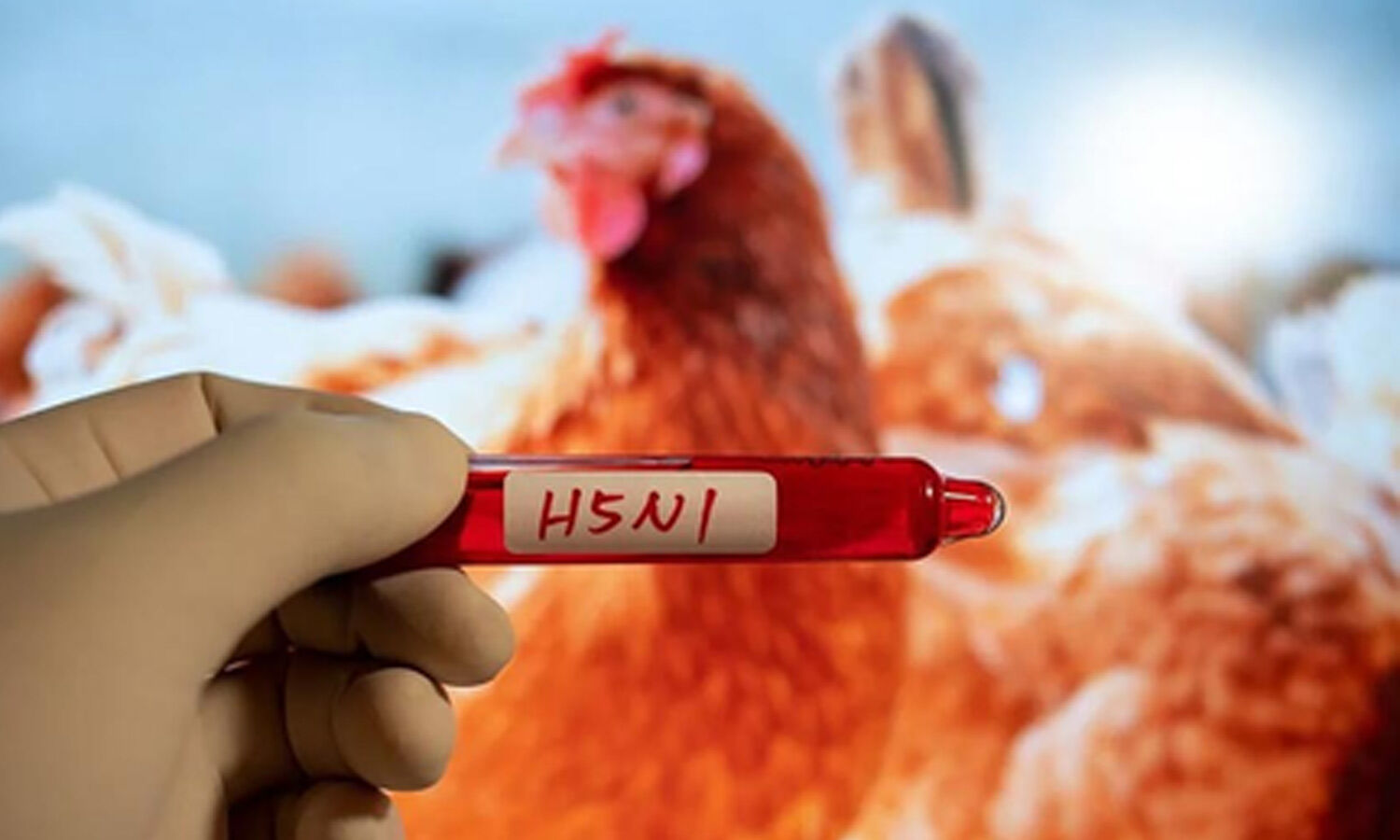
A dangerous bird sickness called H5N1 was found in a wild bird in Sydney.
The bird was a greater crested tern found in the Northern Beaches.
This is the first confirmed H5N1 case reported in Sydney.
Officials are asking people with pet birds or chickens to avoid contact with wild birds.
Dog owners should stop their dogs from chasing wild birds or eating dead animals.
The virus can make birds very sick and has killed millions of birds worldwide.
H5N1 has also infected some mammals, including people, but this report does not describe a human case in Sydney.
Officials are watching the situation and asking residents to be careful.

Authorities confirmed Sydney’s first H5N1 bird flu case in a greater crested tern.
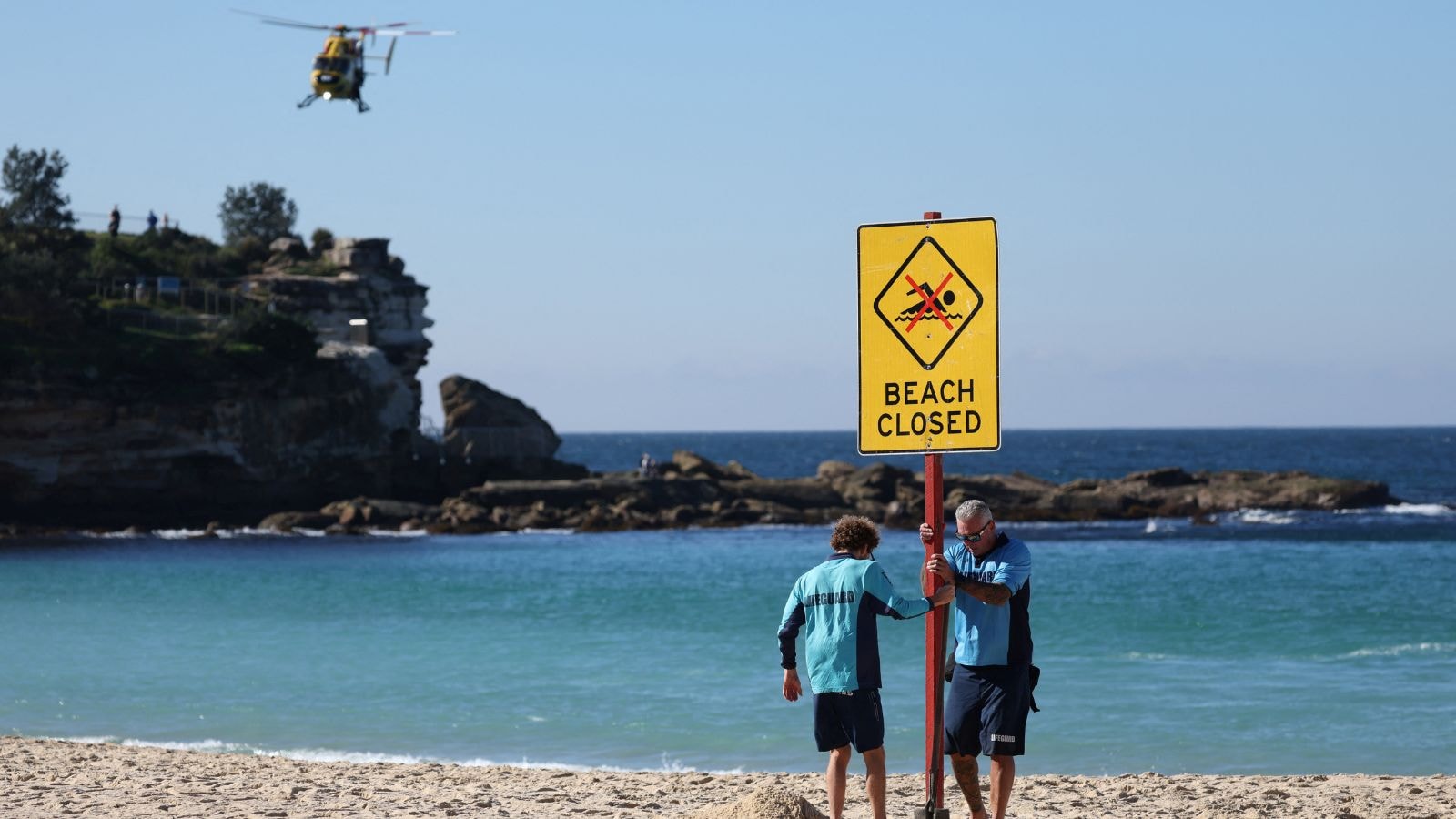
The infected tern was found in Sydney’s Northern Beaches in late August.
New South Wales officials advised people to keep pet birds and chickens away from wild birds.
Dog owners were urged to prevent dogs from chasing wild birds or eating carcasses.
Australia has recorded 468 H5N1 events, including 20 in New South Wales, with no detections in the state’s commercial poultry, captive birds or livestock.
- Who
- New South Wales Agriculture Minister Tara Moriarty, Northern Beaches Mayor Sue Heins and state authorities reported the case.
- What
- Testing detected highly pathogenic H5N1 in a greater crested tern.
- When
- The tern was found in late August, and authorities reported the result on Friday.
- Where
- Sydney’s Northern Beaches, New South Wales, Australia.
- Why
- Authorities issued precautions because H5N1 is highly infectious in birds and infections in mammals, including humans, have been documented.
Current Situation Appears Limited
Region May Face Wider Impacts
Assessment of the outbreak
Current Situation Appears Limited
New South Wales authorities reported that no H5N1 has been detected in the state’s commercial poultry flocks, captive birds or livestock.
Region May Face Wider Impacts
Northern Beaches Mayor Sue Heins said the case will likely be the first of many and warned of potentially devastating impacts.
Public response
Current Situation Appears Limited
Authorities emphasized practical precautions, including separating pet birds and chickens from wild birds and keeping dogs away from wild birds and carcasses.
Region May Face Wider Impacts
The mayor’s warning reflects concern that the highly pathogenic strain could spread further after its first confirmed detection in Sydney.
- Virus
- Highly pathogenic H5N1 avian influenza
- Affected animal
- Greater crested tern
- Location
- Sydney’s Northern Beaches
- Australia-wide total
- 468 confirmed H5N1 events as of the latest federal government data cited
- New South Wales total
- 20 confirmed H5N1 events
- State livestock status
- No detections in commercial poultry flocks, captive birds or livestock in New South Wales
- Recommended precautions
- Keep pet birds and chickens away from wild birds; prevent dogs from chasing wild birds or eating carcasses