

Archive · 2 Jun 2025
India's Food Regulator Bans '100%' on Food Labels
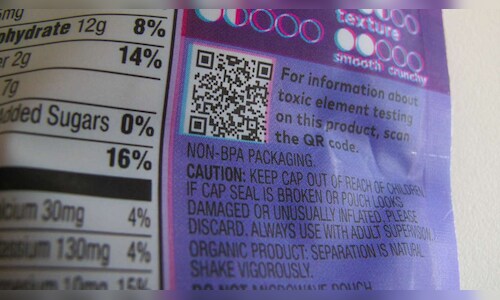
The Indian food safety regulator, FSSAI, has told food companies they can't use "100%" on their labels anymore.
They're worried it tricks people into thinking a food is super pure when it might not be.
The rules don't say what "100%" means, and the regulator thinks it could make people believe other foods are not as good.
Companies are supposed to be honest on food labels so people can make smart choices.
The FSSAI is making sure the labels are clear and not trying to fool anyone, to protect consumers.
The use of "100%" on labels is not allowed under the rules of the Food Safety and Standards Act, 2006.

FSSAI banned the use of the term '100%' on food labels and marketing materials.
The regulator stated the term could mislead consumers.
The term '100%' is not defined under current food safety regulations.
The advisory aims to promote transparency and protect consumer interests.
This is part of FSSAI’s efforts to uphold integrity in food marketing.
- Who
- Food Safety and Standards Authority of India (FSSAI).
- What
- FSSAI banned the use of "100%" on food labels.
- When
- The FSSAI issued an advisory.
- Where
- India.
- Why
- To prevent misleading consumers with claims of absolute purity.
- Regulatory Body
- FSSAI
- Action
- Banned use of '100%'
- Reason
- Potential for misleading claims
- Applicable Law
- Food Safety and Standards Act, 2006
- Regulation
- Advertising and Claims Regulations, 2018