

Archive · 25 Jul 2025
Indonesia Fights to Preserve Peatland Amid Environmental Concerns
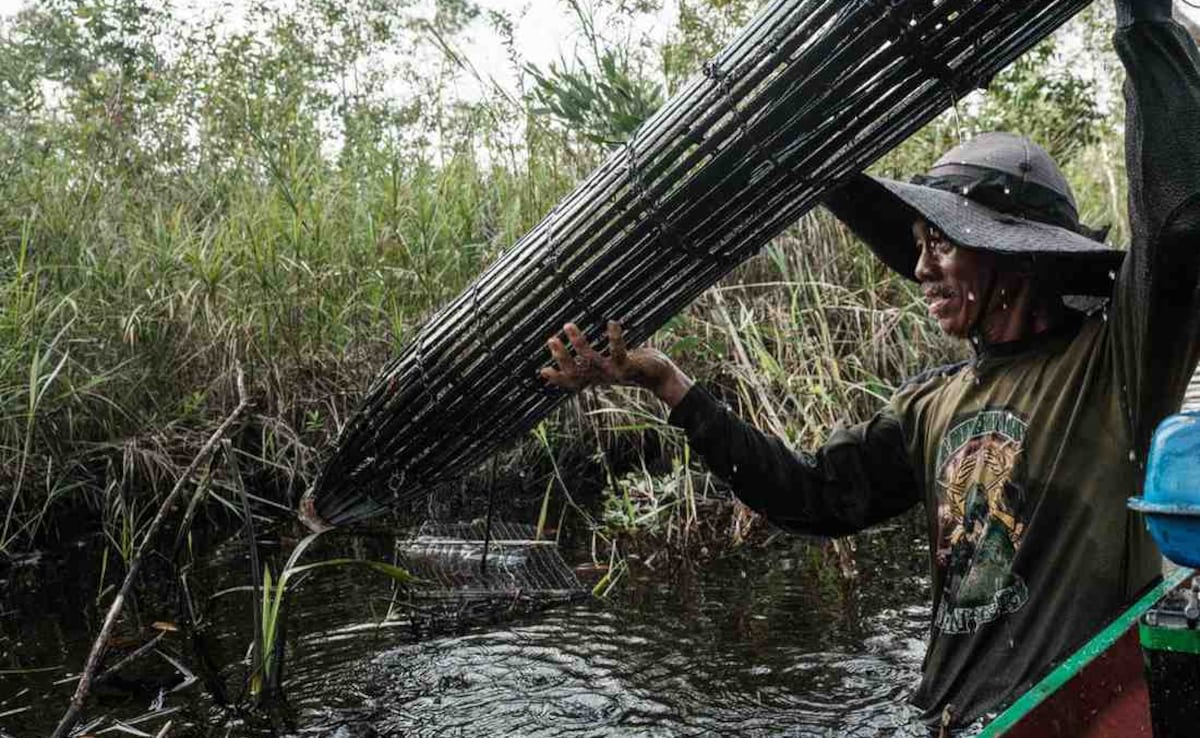
Imagine peatlands as giant sponges storing carbon and helping the planet.
Indonesia has many, but they're being destroyed for farming.
This harms the environment and local communities.
When the peat dries out, it can catch fire, causing air pollution and economic loss.
Local people are fighting to protect these areas.
They have faced challenges like lawsuits and pressure, but are still trying to preserve the peatlands for a healthier environment.

Indonesia is losing its tropical peatlands, vital for carbon storage and biodiversity.
Only 18.4% of Indonesia's peatlands remain undisturbed, with many converted into plantations.
Local residents are protesting the conversion of peatlands by palm oil firms near their villages.
Catastrophic fires linked to drained peatlands caused significant economic damage in 2015.
A recent lawsuit by affected villagers over the environmental impact of peatland conversion was rejected.
- Who
- Environmentalists, local villagers, palm oil companies, and the Indonesian government.
- What
- Efforts to preserve Indonesian peatlands and the challenges they face.
- When
- Ongoing, with specific focus on the 2015 fires and a recent court case.
- Where
- Indonesia, particularly near villages like Lebung Itam and Bangsal.
- Why
- To protect biodiversity, reduce carbon emissions, and prevent environmental disasters like fires.
Environmentalists/Villagers
Palm Oil Companies
Land Rights
Environmentalists/Villagers
Peatlands are crucial for the environment, preventing fires, and supporting local communities. They must be preserved.
Palm Oil Companies
Plantation companies claim to have rights to the land for development. Economic interests are prioritized.
Government Regulations and Enforcement
Environmentalists/Villagers
Conversion leads to severe environmental and economic consequences. Stricter regulations and enforcement are needed.
Palm Oil Companies
Government oversight and law enforcement are weak, allowing exploitation to continue.
- Undisturbed Peatlands
- 18.4% remaining
- 2015 Fire Impact
- $16.1 billion, or about two percent of GDP
- Key Species
- Orangutans and fish species
- Main Threat
- Conversion to plantations (palm oil, timber)
- Plaintiff's Lawsuit Outcome
- Rejected in local court, appeal planned