

Archive · 12 Oct 2026
Proposed GST Clarification Could Raise Costs for Ride-Hailing Subscriptions
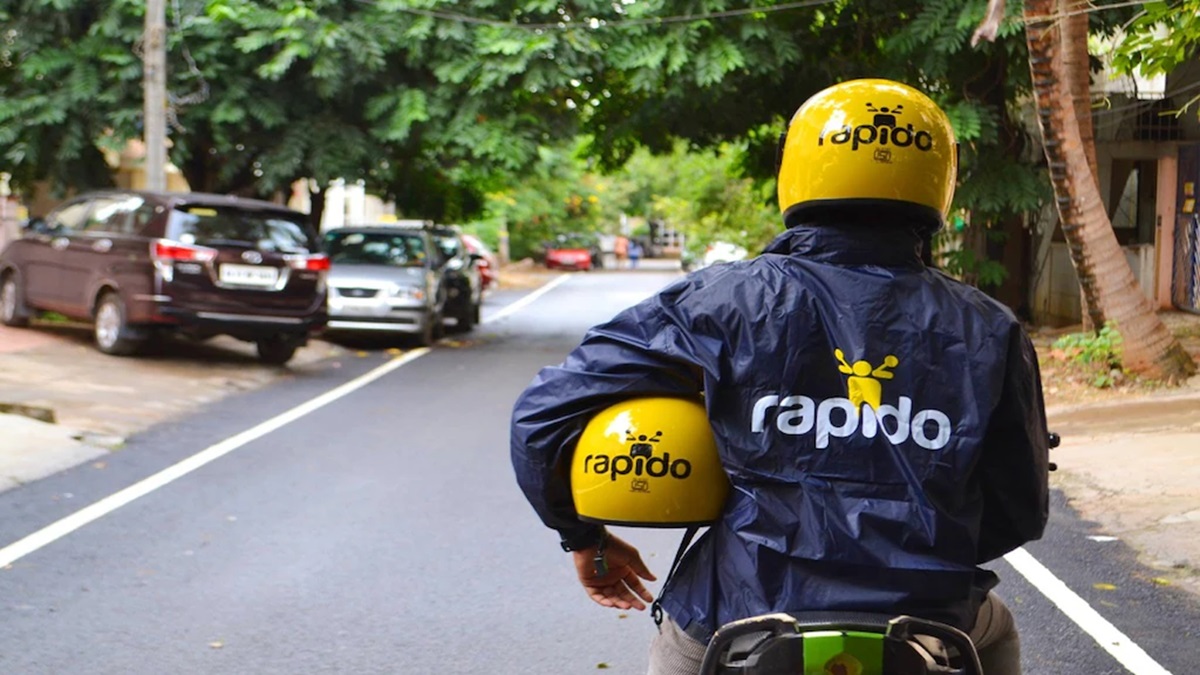
Some ride-hailing apps let drivers pay a set fee to use the app and keep all the money from each ride.
The companies currently pay tax on that set fee.
A proposed rule would make them pay tax on the whole ride fare instead.
That tax could be much bigger than the fee the company collects.
Companies might pay the extra cost, charge riders more, or change how drivers are paid.
Some may return to taking a percentage of each ride.
Industry groups have asked the government to exempt subscription-based services.
The proposal would need changes to central and state GST laws before it takes effect.

The GST Council proposal would require platforms to pay 5% GST on the full fare for notified app-based rides, regardless of business model.
Platforms currently pay 18% GST on subscription fees, while drivers keep the full fare under the subscription model.
Industry experts say tax on fares could greatly exceed platforms’ subscription revenue and create cash-flow pressure.
Platforms may absorb the cost, raise fares, reduce driver earnings, or consider returning to commissions.
Industry groups have sought an exemption; Uber welcomed greater clarity, while Rapido said taxing fares and subscriptions could burden affordability and driver earnings.
- Who
- Ride-hailing platforms, drivers, industry groups, and the GST Council.
- What
- A proposal would require platforms to pay 5% GST on the full fare for notified app-based rides, including those using subscriptions.
- When
- The proposal is under consideration; an industry association sought an exemption in a letter dated January 19.
- Where
- India.
- Why
- The proposal aims to clarify tax liability for notified ride services irrespective of platforms’ commercial models.
Supporters of clarification
Industry concerns
Tax rules and consistency
Supporters of clarification
Uber welcomed greater clarity, saying differing interpretations had created uncertainty and the potential for an uneven competitive environment.
Industry concerns
The Internet and Mobile Association of India asked for subscription-based services to be excluded from Section 9(5), citing conflicting state advance rulings.
Effect of taxing fares under subscriptions
Supporters of clarification
The proposal would apply the 5% tax to the full fare for notified services, regardless of the platform’s commercial model.
Industry concerns
Rapido argued that taxing both subscriptions and fares would amount to taxing the same service twice and could affect affordability and driver earnings.
Who bears additional costs
Supporters of clarification
No supporting position on cost allocation was stated in the articles.
Industry concerns
Industry executives said drivers could face initial pressure, while one expert expected platforms to protect driver earnings; options also include absorbing costs or raising fares.
- Proposed tax
- 5% GST on the entire fare for notified services.
- Current subscription-fee tax
- Platforms have paid 18% GST on subscription fees.
- Illustrative example
- For Rs 10,000 in rides and a Rs 100 subscription fee, the stated proposed GST would be about Rs 500.
- Subscription range
- Auto-rickshaw subscriptions typically cost Rs 10–50 daily; cab subscriptions range from Rs 100 to Rs 2,000.
- Platforms using subscriptions
- Namma Yatri pioneered the model; Rapido adopted it in 2023, Uber and Ola shifted auto drivers in 2024–25 and extended it to cabs in 2025, and Bharat Taxi also uses it.
- Legislative steps
- The change would require amendments to the Central GST Act and corresponding state GST laws.