

Archive · 25 Jul 2026
India Shifts Focus from Fuel Security to Grid Security
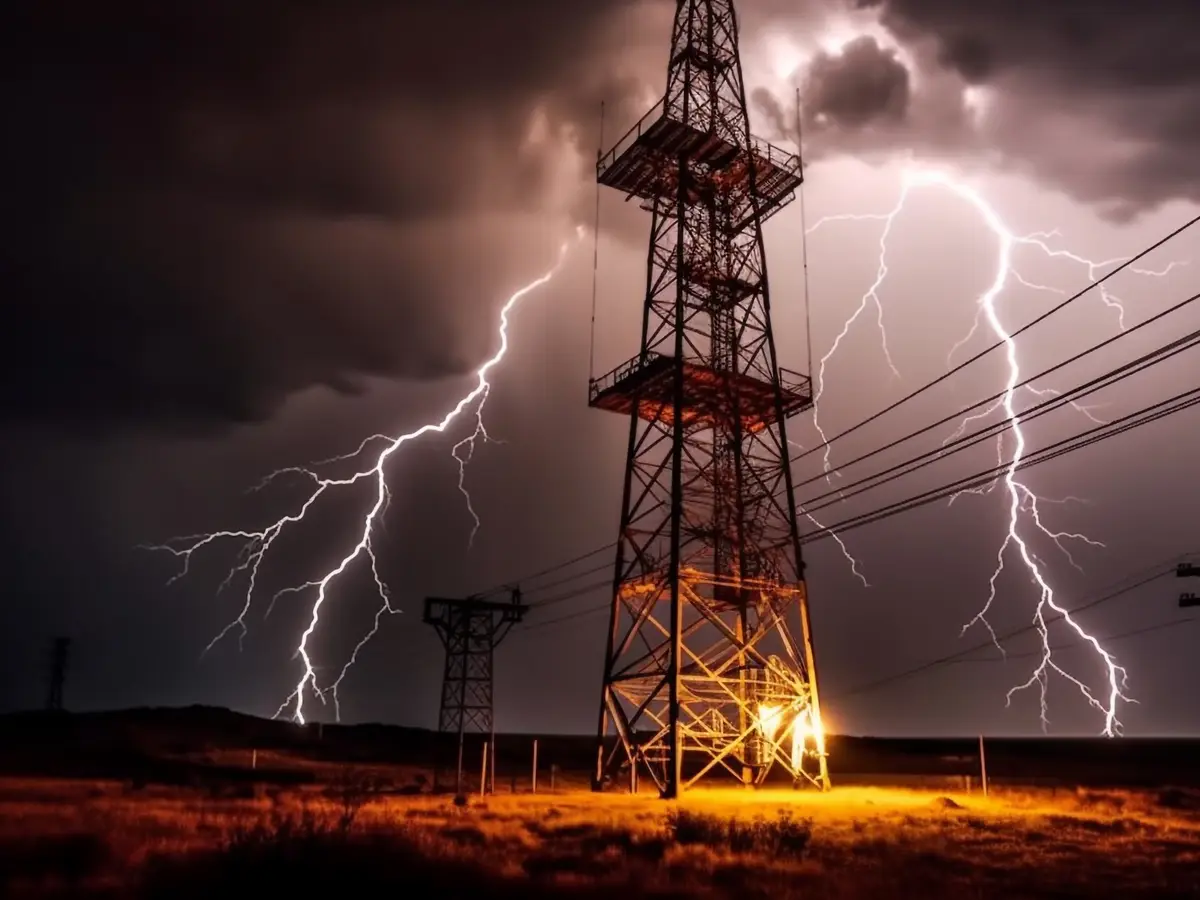
India is changing how it thinks about energy.
For a long time, the country focused on making sure it had enough fuel like coal, oil, and natural gas to power its economy.
But now, things are different.
The government wants to use more renewable energy like wind and solar power.
The problem is that these energy sources are often far from where people need them.
So, India is now focusing on making sure the electricity grid can handle all this new energy.
This means building better power lines, substations, and other infrastructure.
The goal is to make sure that clean energy can be sent to people's homes and businesses reliably.
Experts say that the success of India's energy transition will depend on how well the grid can handle all this new energy.

India is shifting its energy focus from fuel security to grid security amid a global energy crisis.
The country needs to build 61,000 circuit kilometres of additional inter-state transmission capacity by 2029-30.
Around 50 GW of renewable energy capacity is currently stranded due to transmission bottlenecks.
Experts emphasize the need for coordinated planning of renewable energy generation and transmission infrastructure.
India has achieved nearly half of its installed power capacity from non-fossil fuel sources and aims for 500 GW by 2030.
- Who
- India's government and energy sector leaders
- What
- Shift from fuel security to grid security in India's energy transition
- When
- Amid the ongoing West Asia war and global energy crisis
- Where
- India
- Why
- To reduce dependency on fuel imports and ensure efficient transmission and integration of renewable energy
Traditional Energy Focus
Renewable Energy Focus
Energy Security
Traditional Energy Focus
Ensuring reliable fuel supplies and reducing dependence on imports.
Renewable Energy Focus
Securing the grid to ensure efficient transmission and integration of renewable energy.
Infrastructure Planning
Traditional Energy Focus
Planning generation and transmission infrastructure separately.
Renewable Energy Focus
Planning generation and transmission infrastructure together to ensure seamless integration.
- Additional Transmission Capacity Needed
- 61,000 circuit kilometres by 2029-30
- Stranded Renewable Energy Capacity
- 50 GW
- Renewable Energy Infrastructure Executed by Kshema Power
- 5.2 GW globally, including 4.5 GW of wind EPC projects, 2,000 kilometres of power transmission lines, and 2,400 MVA of substation capacity
- Non-Fossil Fuel Power Capacity
- Nearly half of India's installed power capacity
- Target for Non-Fossil Fuel Capacity by 2030
- 500 GW