Archive · 12 Nov 2025
UN and Partners Aid Caribbean Nations Post-Hurricane Melissa
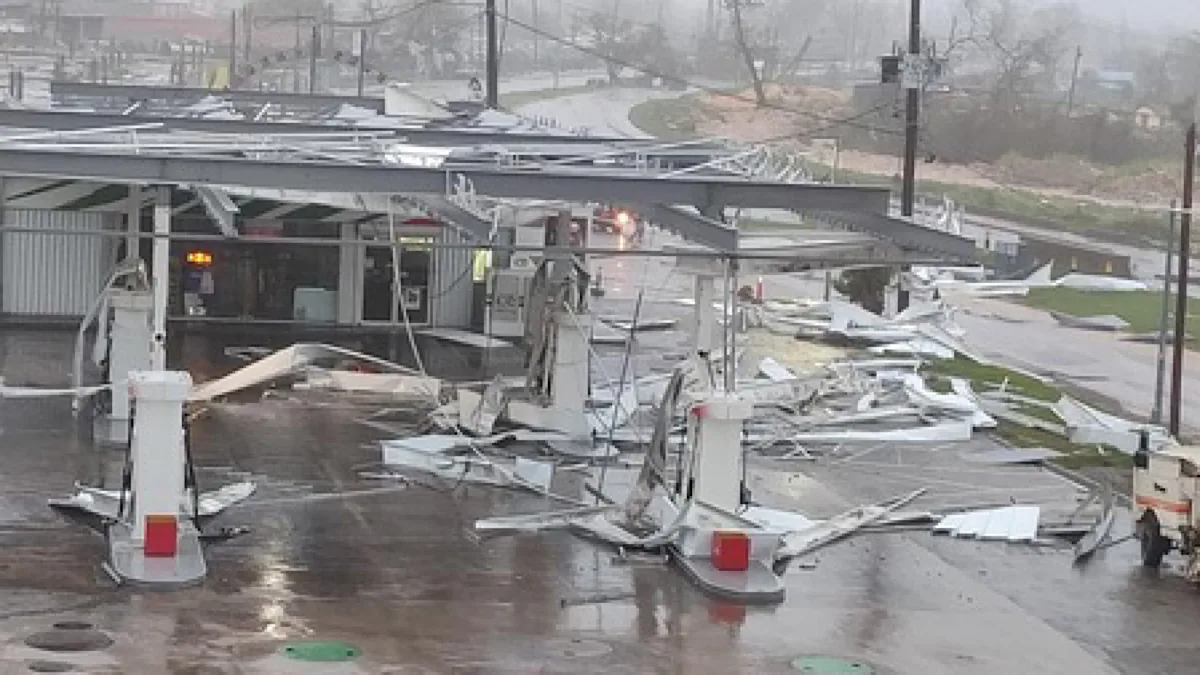
Even though Hurricane Melissa hit two weeks ago, helpers from the United Nations and other groups are still working hard to help people in Cuba, Jamaica, and Haiti.
In Cuba, more houses and hospitals were damaged than they first thought.
The helpers are giving food, tools to grow food, and medicine to keep people healthy.
In Jamaica, fewer places are hard to reach now, and helpers are giving food and money.
In Haiti, where many people sadly passed away, helpers are giving out hygiene kits and making sure vaccines can stay cold.
They are also giving food and support to help people feel better.
The goal is to help everyone get back on their feet after the big storm.

UN and partners continue to support humanitarian efforts in the Caribbean two weeks after Hurricane Melissa.
In Cuba, the number of affected health facilities increased to over 600, and damaged homes rose to 90,000.
The WFP has aided 9,000 people in Jamaica, with plans to extend cash assistance to up to 90,000 households.
In Haiti, where over 40 lives were lost, aid includes hygiene kits, restored power for vaccine cold chains, and food rations.
Various UN agencies are providing diverse support, from food and agricultural tools to health services and psychosocial support.
- Who
- United Nations, its partners (WFP, FAO, PAHO, UNFPA, UNICEF, UNESCO, IOM), and governments of Cuba, Jamaica, and Haiti
- What
- Continued support for humanitarian responses in the Caribbean following Hurricane Melissa, including aid distribution, restoration of services, and providing essential supplies.
- When
- Two weeks after Hurricane Melissa made landfall; UN spokesperson briefing on Tuesday.
- Where
- Cuba, Jamaica, and Haiti
- Why
- To assist in the recovery and humanitarian needs in Caribbean nations affected by Hurricane Melissa.
UN and Partner Efforts
Ongoing Needs and Challenges
Humanitarian Response Scope
UN and Partner Efforts
The UN and its partners are actively supporting government-led humanitarian responses, with various agencies like WFP, FAO, PAHO, UNFPA, UNICEF, UNESCO, and IOM providing food, agricultural aid, health supplies, reproductive health services, psychosocial support, and essential materials like tarpaulins.
Ongoing Needs and Challenges
Despite ongoing efforts, significant challenges remain, including increasing numbers of affected health facilities and damaged homes in Cuba, continued relief operations in Jamaica with two communities still inaccessible, and widespread damage and need in Haiti.
Service Restoration and Access
UN and Partner Efforts
Progress is being made in restoring access, with only two communities remaining inaccessible in Jamaica, down from 27. Power has also been restored for vaccine cold chains in Haiti.
Ongoing Needs and Challenges
In Cuba, the number of affected health facilities has risen to over 600, and damaged homes have climbed to 90,000, indicating a worsening situation in some areas. The extent of inaccessibility in Haiti beyond vaccine cold chains and specific distribution points is implied by the ongoing need for aid.
- Affected Health Facilities in Cuba
- Over 600 (increased from 460)
- Damaged Homes in Cuba
- 90,000 (increased from 60,000)
- People Aided by WFP in Jamaica
- 9,000 (with plans for 90,000 households)
- Inaccessible Communities in Jamaica
- 2 (down from 27)
- Deaths in Haiti
- More than 40
- Rations Delivered by WFP in Haiti
- 15-day rations