

Archive · 24 Jan 2026
Global Water Crisis Affects Major Cities
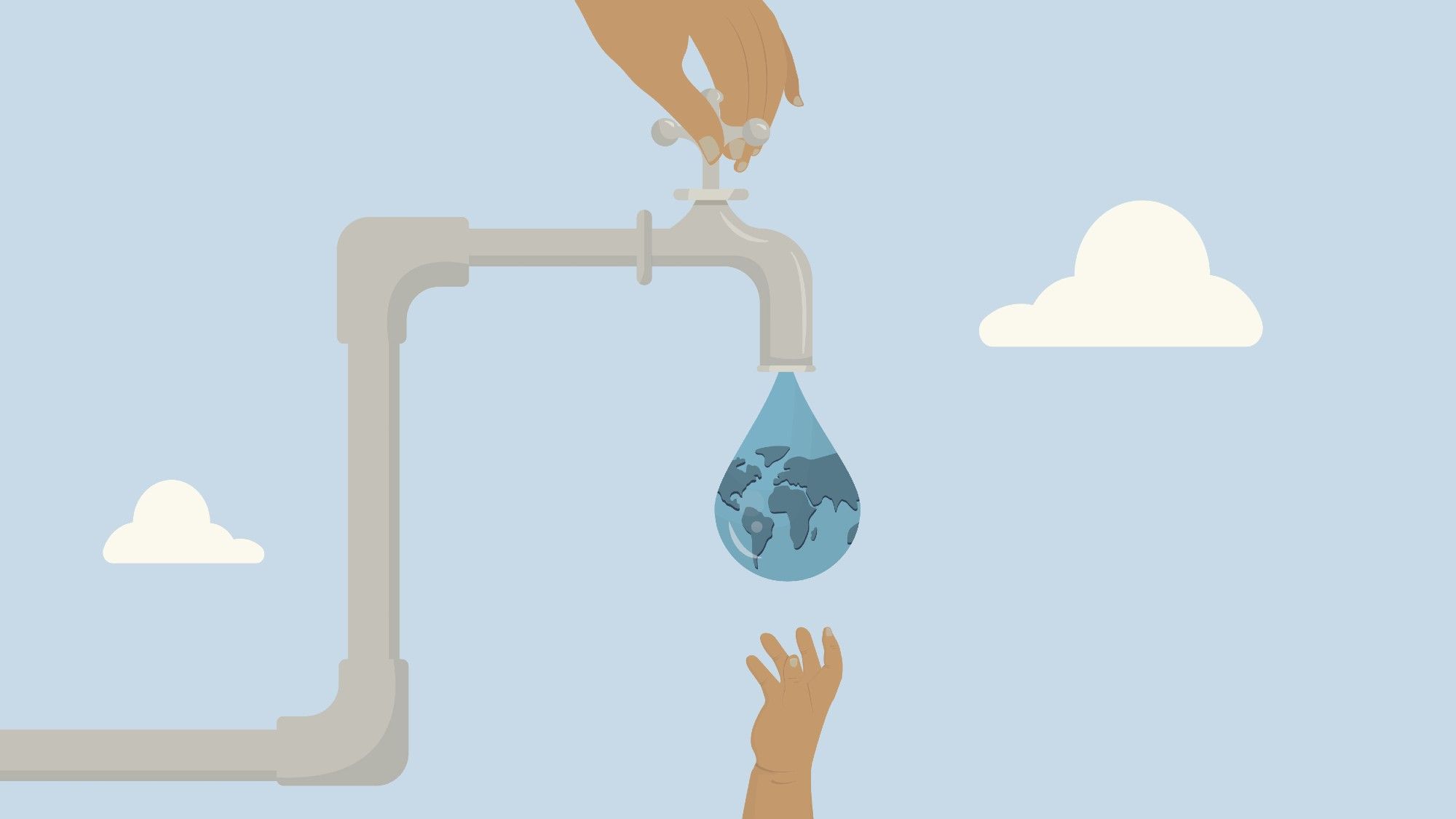
The world is using up water much faster than it can be replaced, which is called water bankruptcy.
This means many water sources like rivers, lakes, and glaciers are being damaged and can't recover.
More than 2 billion people don't have clean water to drink, and half the world faces severe water shortages.
Things like farming, growing cities, and climate change are making the problem worse.
Climate change reduces rain, increases the need for water, and melts glaciers.
Even places with enough rain are affected because industries and data centers use a lot of water.
Major cities, including Mumbai and Bengaluru, are also struggling with water shortages.
However, working together can help solve these big challenges.

The world is experiencing water bankruptcy, using water faster than it can be replenished.
Over 2 billion people lack access to safe drinking water, with half the world facing severe water scarcity.
Major drivers include agriculture, population growth, urbanization, and climate change.
Climate change reduces precipitation, increases water demand, and melts glaciers.
Data centers and industries consume significant amounts of water, exacerbating the crisis.
- Who
- Global population, especially in the Middle East, North Africa, South Asia, and the U.S. Southwest, including cities like Mumbai and Bengaluru.
- What
- Water bankruptcy, where water is used faster than it can be replenished.
- When
- Ongoing, with worsening conditions due to climate change and population growth.
- Where
- Worldwide, with significant impacts in regions facing high water stress, including major cities.
- Why
- Due to increased water demand from agriculture, industry, energy, and urbanization, exacerbated by climate change.
- Definition
- Using water faster than it can be replenished, leading to ecological debt.
- Affected Sources
- Rivers, lakes, wetlands, soils, glaciers, and aquifers.
- Current Impact
- Over 2 billion people lack safe drinking water; half the world faces severe water scarcity.
- Major Drivers
- Agriculture, population growth, urbanization, economic expansion, and climate change.
- Climate Change Effects
- Reduced precipitation, increased water demand for crops, and melting glaciers.
- AI and Data Centers
- Consume up to 5 million gallons per day, equivalent to a town of 10,000-50,000 people.
- Potential Solution
- Promoting cooperation to address security, peace, justice, development, and sustainability challenges.
- Cities Affected
- Half of the 100 largest cities worldwide, including Mumbai and Bengaluru.

