

Archive · 29 May 2025
Evolving Portrayal: Muslim Identity in Hindi Cinema's Reflection
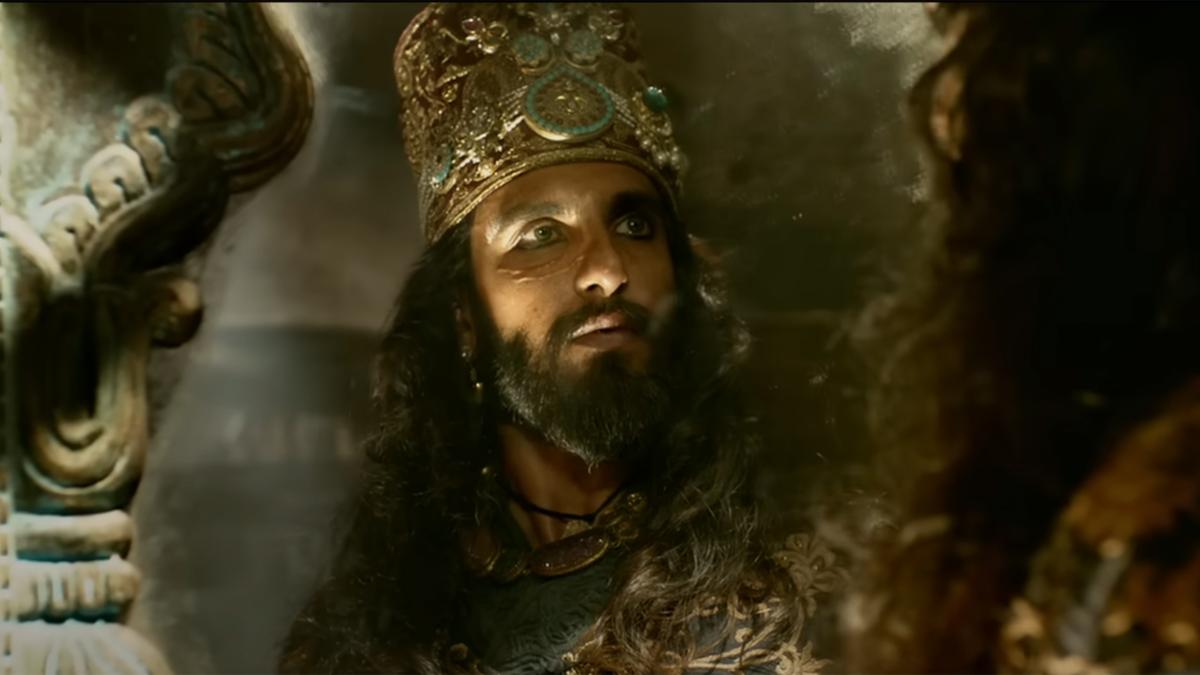
Imagine movies about Muslims in India.
At first, they were like fairy tales about good kings.
Then, the stories changed, and some movies showed Muslims as bad guys, which might be because of what was happening in the real world.
Older movies often showed Muslim characters in a positive light because of the leaders then.
Now, the movies sometimes show them differently.
Some films are starting to show different kinds of Muslim people to show more than just the stereotypes.
This shift in stories tells us how movies can reflect the times and ideas of those making the film.

Hindi cinema's portrayal of Muslim identity has evolved significantly over time, reflecting changing political climates.
Early Hindi films often depicted Mughal emperors positively, emphasizing unity and justice.
The portrayal shifted in the late 20th and early 21st centuries, with Muslims increasingly depicted as villains or threats.
Recent films align with specific political narratives, sometimes using historical events to promote particular viewpoints.
Some films offer more nuanced portrayals of Muslim characters, challenging negative stereotypes.
- Who
- Muslim characters, filmmakers, and the audience of Hindi cinema.
- What
- The depiction of Muslim identity in Hindi cinema and its evolution across different eras.
- When
- From the Mughal era influence in films through to modern day depictions.
- Where
- In Hindi cinema, specifically focusing on films made in India.
- Why
- To analyze how the portrayal of Muslims in Hindi cinema has changed and what factors have influenced this change.
- Key Movie Examples (Positive)
- Mughal-e-Azam, Mere Mehboob
- Key Movie Examples (Negative)
- Padmaavat, Tanhaji
- Notable Books Discussed
- Postcolonial Bollywood and Muslim Identity, Muslim Identity in Hindi Cinema, Islamicate Cultures of Bombay Cinema
- Recurring Villain Stereotype
- Devout Muslim don or terrorist
- Positive Character Representation
- Rahim Chacha