Archive · 29 Jul 2025
Nagaland University to Study Glacial Lake Risks in Sikkim and Arunachal Pradesh
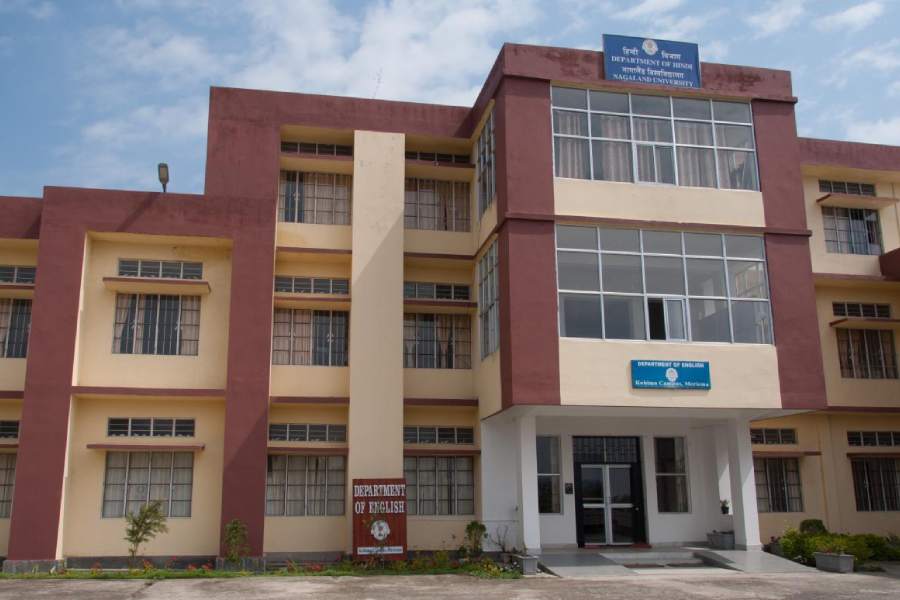
Scientists are working on a project to study high-altitude lakes in northeastern India, specifically in Sikkim and Arunachal Pradesh.
They are trying to figure out which lakes could burst and cause big floods, called GLOFs.
Using special tools, they will map the lakes and measure how deep they are to see how risky they are.
The goal is to help local authorities and planners be ready for potential disasters by making safer plans and saving lives and money.
The project is expected to be finished by 2028 and will help with the growing environmental issues in the Himalayas.

Nagaland University is leading a project to assess the flood potential of glacial lakes in Sikkim and Arunachal Pradesh.
The research will focus on the Tawang region of Arunachal Pradesh and the Lachung basin in North Sikkim.
The study will use high-resolution data and bathymetric surveys to identify hazardous glacial lakes and quantify risks.
The project aims to share findings with policymakers to guide safer development and mitigate GLOF impacts.
The project, expected to be completed by 2028, is funded by the Indian government's ministries of earth sciences and environment.
- Who
- Led by Nagaland University.
- What
- A research project assessing the stability of glacial lakes.
- When
- Ongoing, expected to be completed by 2028.
- Where
- Sikkim and Arunachal Pradesh.
- Why
- To identify potentially dangerous glacial lakes and understand their GLOF risk, and inform disaster preparedness.
- Lead Institution
- Nagaland University
- Focus Areas
- Glacial Lake Outburst Flood (GLOF) potential, permafrost degradation, and lake morphology
- Funding Sources
- Ministries of Earth Sciences and Environment, Forest, and Climate Change, Government of India
- Regions Studied
- Tawang (Arunachal Pradesh) and Lachung Basin (North Sikkim)
- Project Goal
- Identify hazardous glacial lakes and assess associated risks
- Project Timeline
- Expected to be completed by 2028