0 months ago
Delhi High Court Restrains Patna Real Estate Firm Over Nintendo Trademark
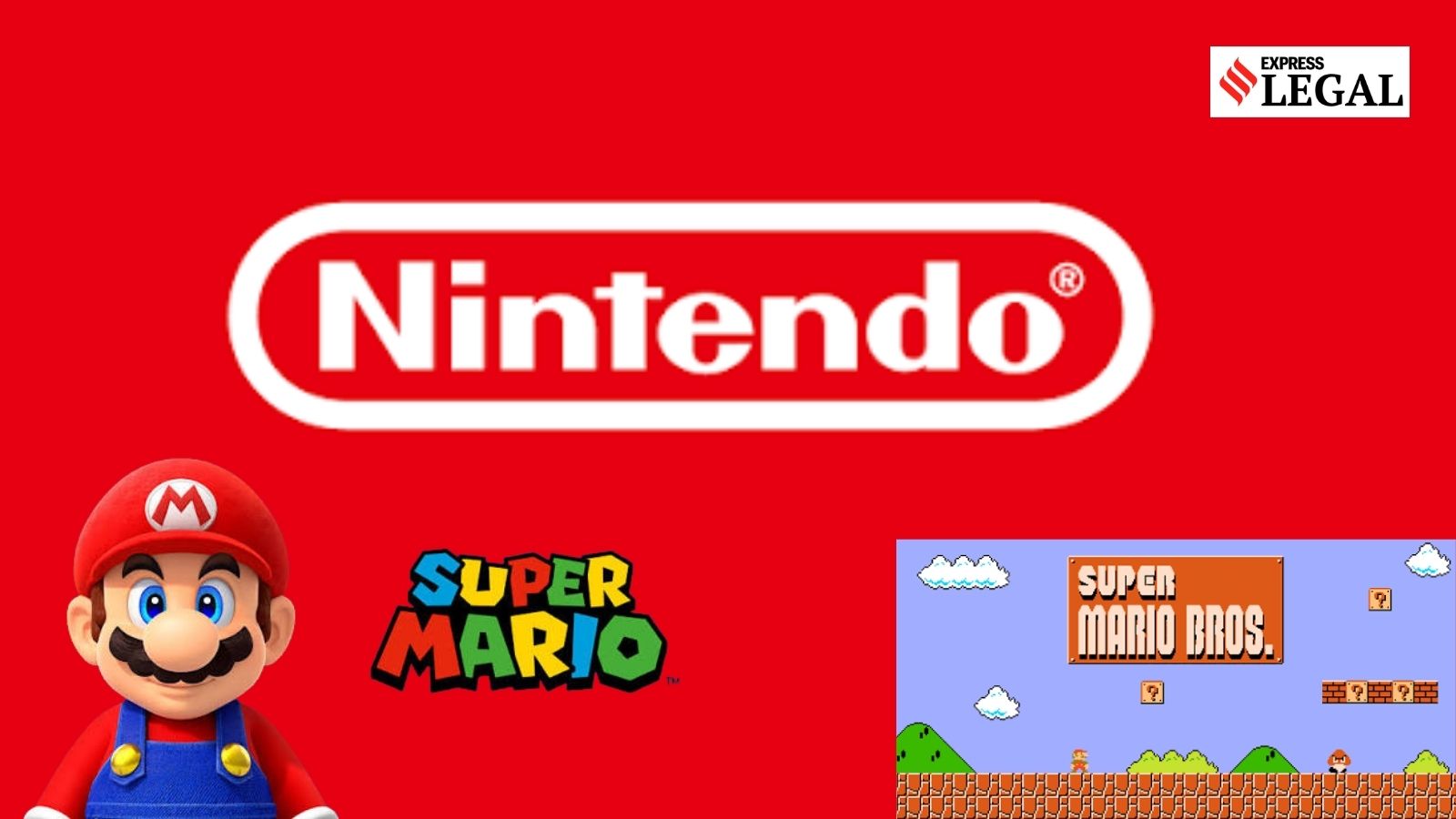
There is a very famous video game company called Nintendo that makes games like Super Mario and Pokémon.
In the country of India, another company was started with the exact same name, but it was a real estate business, not a video game company.
Nintendo said this was not fair because people might get confused by two companies having the same name.
Nintendo first asked the Indian company to stop using the name with a legal letter, but got no answer.
So Nintendo took the matter to a big court in Delhi.
The judge agreed with Nintendo and said the Indian company's name was too similar and could confuse people.
The judge told the Indian company to stop using the name Nintendo until the court hears the case again.
Even one of the leaders of the Indian company said in an email that they did not want to use the name anymore.
So for now, only the video game Nintendo can use that famous name.
This is a good example of how companies protect their names with something called a trademark.

The Delhi High Court granted an ex parte interim injunction restraining Patna-based Nintendo India Private Limited from using the NINTENDO name, saying it was deceptively similar to Nintendo Co Ltd's registered trademark.
Justice Jyoti Singh held that Nintendo Co Ltd has a prima facie reputation threshold under Section 29(4) of the Trade Mark Act, 1999, entitling it to restrain use of the deceptively similar trade name.
Nintendo Co Ltd, known for Super Mario Bros, Pokémon and Donkey Kong, said it had used the NINTENDO name since 1889 and owns trademark registrations including in India.
Nintendo sent a cease and desist notice to the Indian real estate company on February 17, 2026, and approached the court after receiving no response.
A director of Nintendo India Private Limited conceded via email that the company never used the name for any business activity, did not intend to use it in future, and was willing to accept a permanent injunction.
- Who
- Nintendo Co Ltd, the Japanese gaming giant, and the Patna-based real estate company Nintendo India Private Limited, with Justice Jyoti Singh of the Delhi High Court hearing the case.
- What
- The Delhi High Court granted an interim injunction restraining Nintendo India Private Limited from using the NINTENDO name in a trademark infringement suit.
- Where
- The case was heard by the Delhi High Court; the defendant company is based in Patna, India.
- When
- The court order was issued on July 29; the cease and desist notice was sent on February 17, 2026.
- Why
- The court found the Indian company's name deceptively similar to Nintendo's registered and well-known trademark, creating a likelihood of confusion among the public.
Trademark Enforcement
Business Name Availability
Use of Similar Corporate Names
Trademark Enforcement
Nintendo Co Ltd argues that the name NINTENDO is a coined, well-known mark used since 1889, and any similarly named business, even in a different sector like real estate, could confuse the public and take unfair advantage of its reputation.
Business Name Availability
The defendant company (Nintendo India Private Limited) apparently operated under the same corporate name for a real estate business, and although its director conceded the name was never used and would not be used in future, the company did not respond to Nintendo's cease and desist notice before the suit was filed.
Key facts
- Court
- Delhi High Court
- Judge
- Justice Jyoti Singh
- Plaintiff
- Nintendo Co Ltd (Japan)
- Defendant
- Nintendo India Private Limited (real estate company, Patna)
- Order Date
- July 29
- Cease and Desist Notice
- February 17, 2026
- Legal Basis
- Section 29(4) of the Trade Mark Act, 1999
- Defendant's Concession
- Director stated the name was never used and will not be used in future
Quotes
Justice Jyoti Singh
Judge of the Delhi High Court
“"NINTENDO INDIA PRIVATE LIMITED…trade name is deceptively similar to Plaintiff’s trade name NINTENDO CO LTD and the NINTENDO marks, and owing to the similarity, there is every likelihood of confusion amongst members of the public and trade."”
 indianexpress.com
Sources
Related news
Samsung Ordered To Pay $11.6 Million Over Swatch Apps

Buc-ee’s Trademark Lawsuit Sparks Beavercreek Backlash

Urban Company Sues Kent RO Over Native Purifier Ads
Bengaluru Court Restores Instagram Account Suspended Over IPL Posts

Delhi High Court Protects Tabu's Personality Rights From AI Deepfakes

Bihar on Alert as Rivers Swell, Sone Barrage Gates Open

Bihar Launches Doorstep Screening, Digital Health Records for Citizens
LJP Seeks Stronger Security for Chirag Paswan After Threat
Bihar Accelerates Manuscript Digitisation Under Gyan Bharatam Mission

Bihar Postpones BPSC Exams, Announces Single-Test Pattern Amid Protests