

Archive · 18 Sep 2026
Human Activity Altered Mumbai Weather During Most Monsoon Days
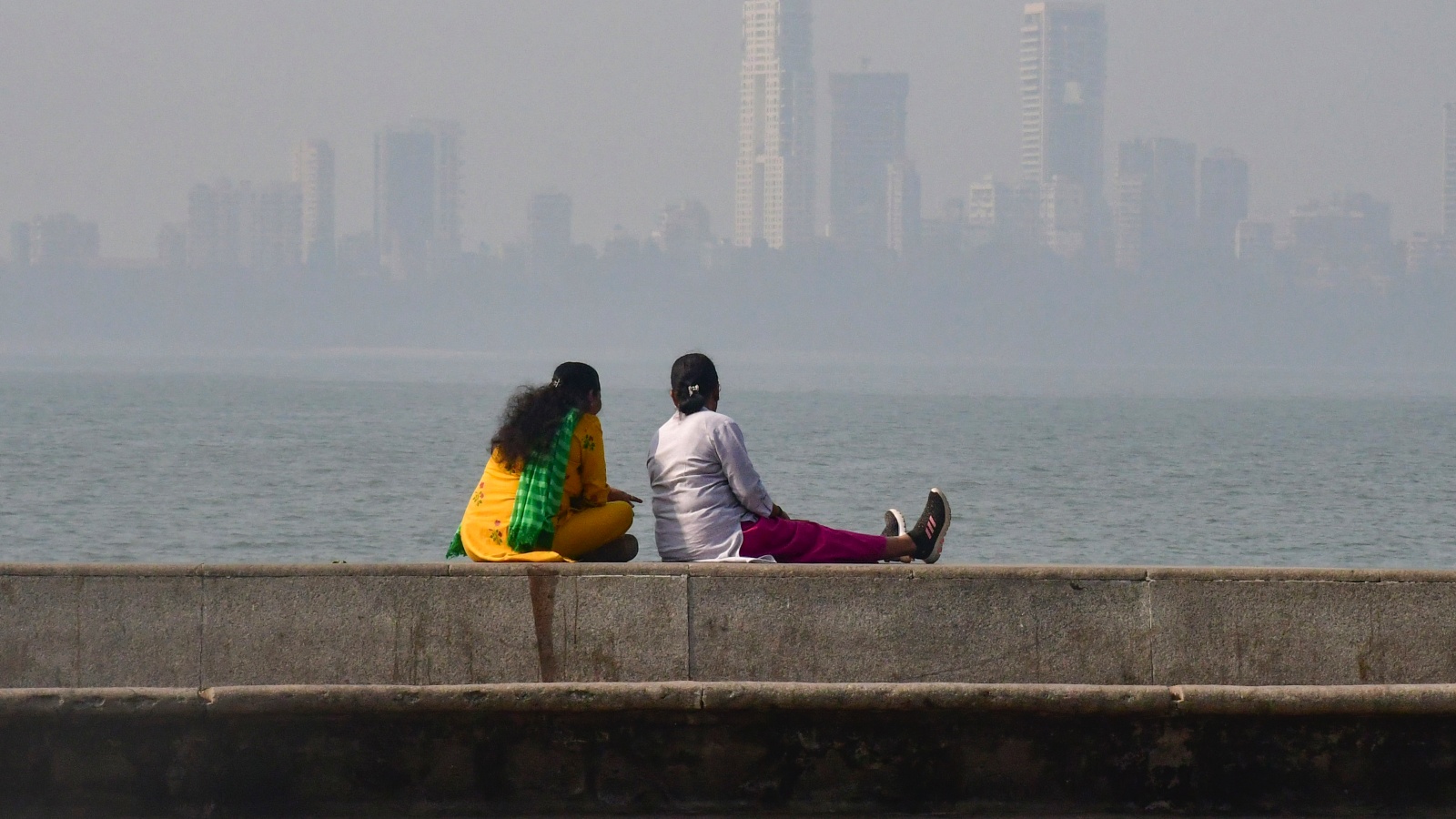
Scientists studied weather in Mumbai and nearby cities during the 2026 monsoon.
They found that human activities affected the weather on 86 of 92 days.
These activities included vehicle pollution, industrial emissions and greenhouse gases.
Mumbai and Navi Mumbai also had 28 days of extreme heat during the period.
The cities had unusual rainfall, including some months with less rain and one month with more rain than usual.
A natural event called El Niño also made India warmer and changed rainfall patterns.
Pollution may have made the local air warmer and affected clouds that usually bring steady rain.
This could help explain why Mumbai sometimes receives very heavy rain in a single day.
The study said many people across Asia and India experienced heat linked to climate change.

A Climate Central study found human activity influenced weather on 86 of 92 days in Mumbai and Navi Mumbai between June 1 and August 31, 2026.
Mumbai and Navi Mumbai experienced extreme heat on 28 of those 86 days, while the region also recorded altered rainfall patterns.
Dombivali and Thane were affected on as many as 81 days, followed by Kalyan with 79 days and Pimpri, Pune and Shivaji Nagar with 76 days each.
Scientists gave Mumbai average Climate Shift Index readings between 4 and 5, indicating severe climate-change influence on daily temperatures.
Climate scientist Mahesh Palawat attributed the unusual conditions to strong El Niño effects compounded by vehicle emissions and industrial pollution.
- Who
- Climate Central scientists studied Mumbai, Navi Mumbai and other Indian cities; climate scientist Mahesh Palawat provided comments.
- What
- The study assessed how climate change and human activity influenced daily temperatures and rainfall patterns.
- When
- From June 1 through August 31, 2026, during the monsoon season.
- Where
- Mumbai, Navi Mumbai and other cities and districts in Maharashtra, including parts of the Mumbai Metropolitan Region.
- Why
- Vehicle emissions, industrial practices and greenhouse gases contributed to local warming and altered rainfall, alongside a strong El Niño effect.
Human-Driven Climate Change
Natural Climate Variability
Main cause of unusual weather
Human-Driven Climate Change
The study linked Mumbai’s extreme heat and rainfall changes to human activity, including vehicle emissions, industrial practices and greenhouse gases.
Natural Climate Variability
Mahesh Palawat said a strong El Niño was a direct cause of warmer temperatures and uneven rainfall across India.
Changing rainfall pattern
Human-Driven Climate Change
Industrial emissions and vehicular pollution were described as warming the lower atmosphere and contributing to altered rainfall patterns.
Natural Climate Variability
Palawat also attributed changes to the apparent absence of Alto Strauss Clouds, which he said had previously produced more consistent drizzle.
- Study organisation
- Climate Central, a US-based climate research organisation
- Study period
- June 1 to August 31, 2026
- Mumbai and Navi Mumbai
- Human activity influenced weather on 86 of 92 days
- Extreme heat
- Mumbai and Navi Mumbai recorded extreme heat on 28 of those days
- Climate Shift Index
- Mumbai’s average readings ranged between 4 and 5
- Temperature change
- Indian cities recorded an average 0.7-degree increase in daytime temperatures
- India heat exposure
- An estimated 117 million people in India experienced at least 30 heat days attributable to climate change