

Archive · 19 Jul 2026
Football's Economic Shift: Ownership and Monetization
Football is changing in big ways.
The teams are now owned by big companies and rich investors instead of local people.
These owners want to make more money from fans by showing games on apps and selling things like shirts.
They also use apps and games to keep fans interested.
Some people worry that this makes football more about money than about the love of the game.
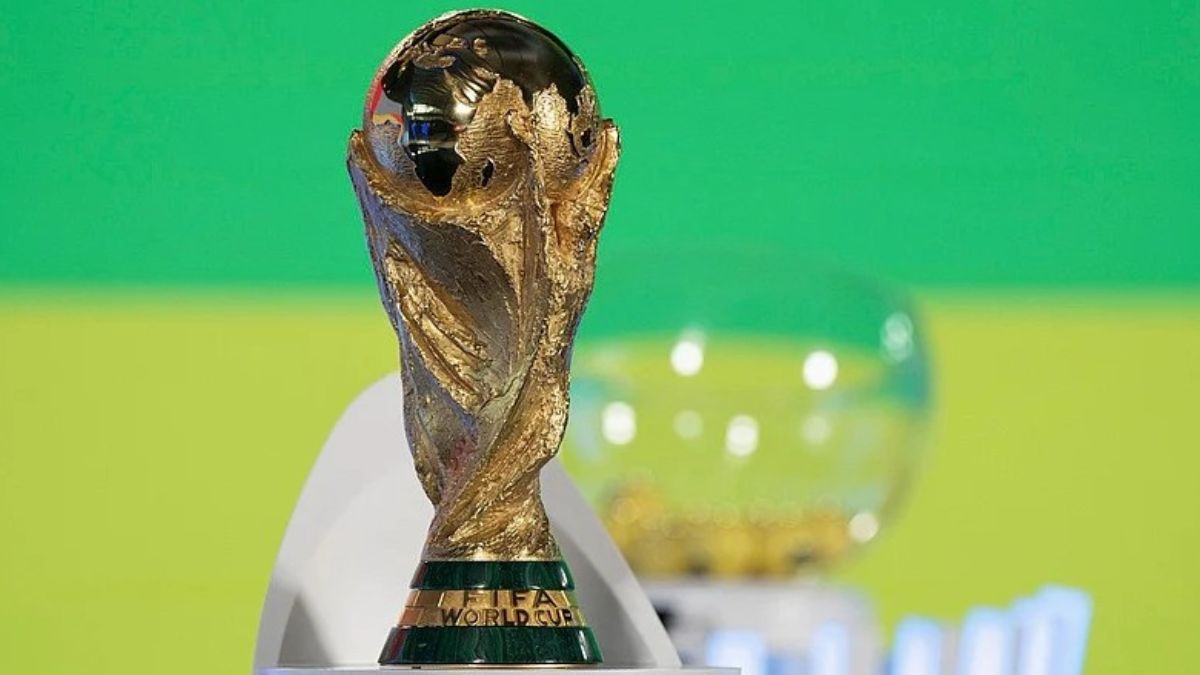
But even with all these changes, the excitement of the game, like the World Cup final between Argentina and Spain, still brings joy to fans around the world.

The World Cup final between Argentina and Spain highlights the global excitement and commercial aspects of football.
Football clubs are increasingly owned by private equity funds, sovereign wealth funds, and multi-club conglomerates.
Revenue sources are shifting from traditional television rights to streaming platforms and direct fan engagement.
Clubs are focusing on turning fans into valuable customers through apps, memberships, and personalized offers.
Regulators are implementing spending limits to control the financial arms race among clubs.
- Who
- Football clubs, private equity funds, sovereign wealth funds, multi-club conglomerates, fans
- What
- Shifts in football ownership, revenue sources, and fan engagement strategies
- When
- Ongoing changes in the football industry, with recent research by Boston Consulting Group
- Where
- Global football industry, with examples from Europe and India
- Why
- To understand the commercial aspects and economic model of modern football
- World Cup Final
- Argentina vs. Spain at MetLife Stadium
- Key Players
- Lionel Messi (Argentina), Lamine Yamal (Spain)
- Ownership Trends
- Private equity, sovereign wealth funds, multi-club conglomerates
- Revenue Sources
- Television rights, streaming platforms, sponsorships, merchandise
- Fan Engagement
- Social media, apps, fantasy leagues, personalized offers
- Regulation
- UEFA limits spending on player wages, transfers, and agents' fees to 70% of club revenue